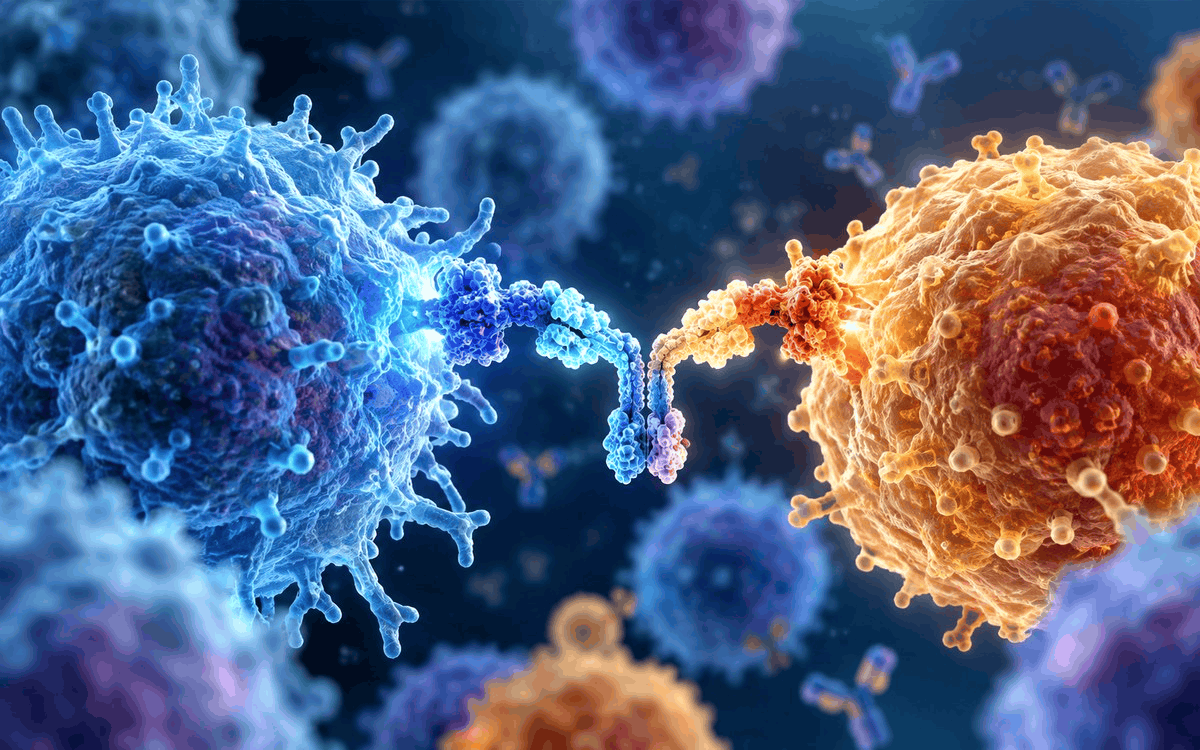
Bispecific T-cell engagers, originally developed to redirect immune responses against cancer, are being investigated as potential therapeutic candidates for treatment-refractory autoimmune connective tissue diseases. A 2026 study published in Nature Medicine reported preliminary clinical responses in patients with antisynthetase syndrome and systemic sclerosis, while also identifying significant safety considerations. As researchers investigate whether targeted immune-cell depletion may support durable disease control, Creative Biolabs provides specialized bispecific antibody engineering, characterization, purification, and preclinical research services to support the development of emerging immunotherapeutic approaches.
From Cancer Immunotherapy to Autoimmune Disease: An Investigational Strategy?
What if an oncology-derived therapeutic strategy could also help patients whose autoimmune diseases resist conventional treatment? The proposition is scientifically compelling but raises an uncomfortable question: Can therapies designed to eliminate specific cell populations deliver lasting autoimmune disease control without creating unacceptable immune-related risks?
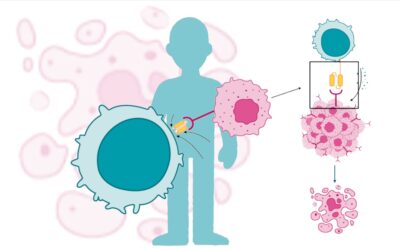
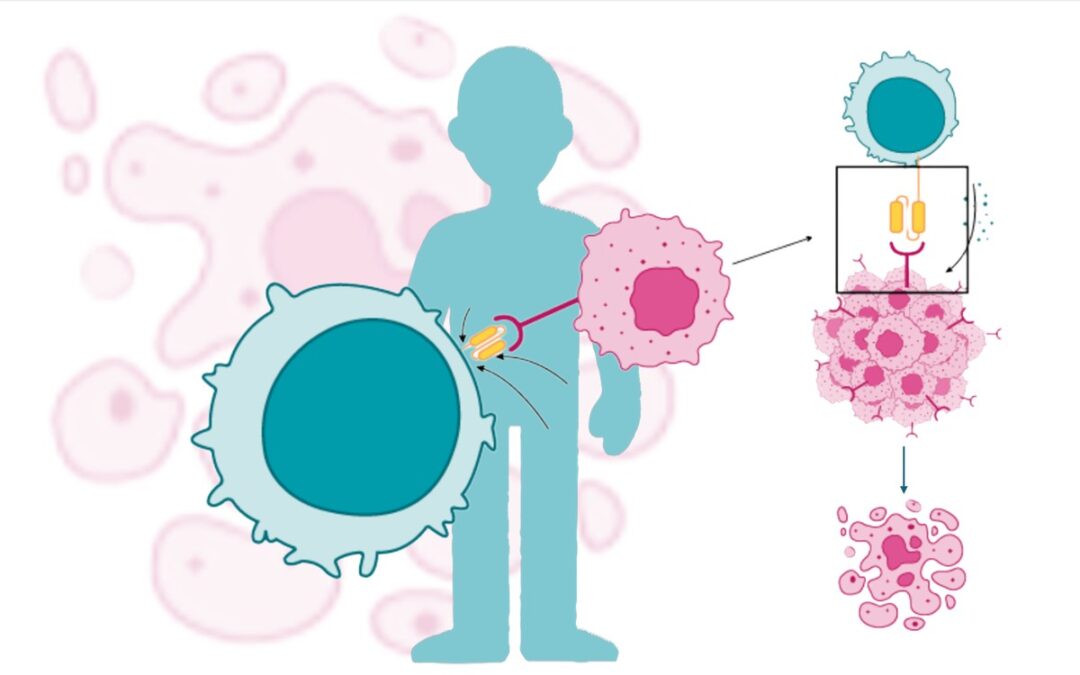
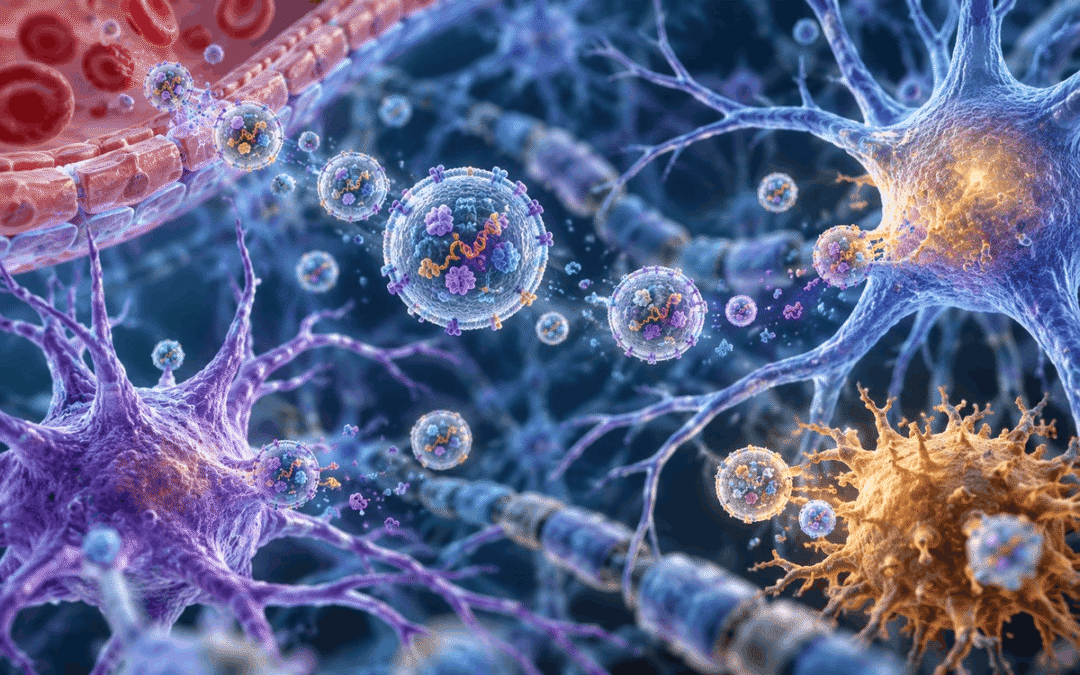
Bispecific T-cell engagers (TCEs) are bringing this question into sharper focus. Unlike conventional monoclonal antibodies that recognize a single antigen, TCEs simultaneously bind a disease-associated cellular target and CD3 on T cells, bringing the two cells together to initiate targeted cytotoxic activity.
In oncology, this mechanism provides an established approach to targeting malignant cells. In autoimmune connective tissue diseases, researchers are investigating whether the same principle could eliminate pathogenic B-cell populations or antibody-producing plasma cells responsible for sustaining chronic inflammation and tissue injury.
The early evidence supports further investigation. However, the distinction between promising rescue therapy and broadly applicable treatment remains critical.
Clinical Evidence: Preliminary Results and Important Limitations
A study published in Nature Medicine in February 2026, titled “Bispecific T cell engagers for treatment-refractory autoimmune connective tissue diseases,” examined compassionate-use treatment in ten patients with severe, treatment-refractory conditions [1].
Five patients with antisynthetase syndrome (ASyS) received blinatumomab, a CD19×CD3 T-cell engager targeting CD19-expressing B cells. Another five patients with systemic sclerosis (SSc) received teclistamab, a BCMA×CD3 T-cell engager targeting BCMA-expressing cells, including plasma cells.
The investigators reported reductions in targeted cell populations within affected tissues and decreases in autoantibody levels. Patients with ASyS experienced improvements in myositis-related clinical and laboratory findings, alongside stabilization of interstitial lung disease. In patients with SSc, treatment was associated with improvements in skin fibrosis, stabilization of lung involvement, and resolution of tendon friction rubs.
These observations are especially relevant because conventional immunosuppressive treatments may not consistently deplete the cellular populations that maintain autoantibody production.
Nevertheless, the study involved only ten patients, lacked a randomized control group, and included additional maintenance therapy with rituximab. Its findings therefore cannot establish comparative efficacy, long-term safety, or the independent durability of TCE treatment.
Safety remains a major consideration. Cytokine release syndrome occurred in both treatment groups, reaching grade 3 in some patients, while respiratory infections requiring antibiotics were also reported. The findings support further investigation rather than routine clinical adoption.
Why Bispecific Antibody Engineering Matters
The potential extension of T-cell engagers into autoimmune medicine presents a distinctive molecular engineering challenge.
For oncology applications, developers often prioritize efficient tumor-cell elimination. In autoimmune diseases, however, the therapeutic objective may require carefully balancing depletion of pathogenic immune-cell populations against preservation of protective immunity.
Antigen selection, binding affinity, molecular geometry, CD3 engagement, and pharmacokinetic behavior can influence how a TCE interacts with its target cells [2]. Excessive immune activation may increase toxicity, while insufficient engagement could compromise the intended biological effect.
These competing requirements make molecular architecture a central consideration during early development.
Creative Biolabs addresses such challenges through its bispecific antibody engineering services, supporting customized antibody formats, Fc engineering, structural optimization, and strategies to improve molecular assembly.
These capabilities allow research teams to investigate how different bispecific configurations influence binding properties, stability, and functional performance. Importantly, successful engineering does not by itself establish clinical safety. Each candidate requires mechanism-specific experimental validation before its therapeutic potential can be meaningfully assessed.
Beyond Binding: Establishing Functional and Molecular Reliability
One of the fundamental challenges in bispecific antibody development is that successful binding to two antigens does not automatically translate into predictable biological activity.
A candidate may demonstrate favorable affinity in an isolated binding assay yet behave differently when confronted with variable antigen expression, competing cell populations, or complex tissue environments.
For T-cell engagers, researchers must therefore evaluate not only molecular recognition but also target-dependent T-cell activation, cytotoxicity, cytokine production, and selectivity.
Through its bispecific antibody analysis capabilities, Creative Biolabs supports structural, biochemical, stability, and functional characterization of bispecific candidates.
Analytical methods such as mass spectrometry, size-exclusion chromatography, surface plasmon resonance, and cell-based assays can help researchers identify molecular heterogeneity and investigate functional behavior.
These evaluations become particularly important when exploring autoimmune applications, where unwanted activation or excessive depletion of healthy immune-cell populations may have significant consequences.
Purification and Preclinical Evaluation: Addressing Development Bottlenecks
Molecular complexity introduces another obstacle: producing a bispecific antibody with the intended chain pairing and an acceptable impurity profile.
Incorrectly assembled chains, aggregates, and other product-related variants can complicate biological interpretation and downstream development.
Creative Biolabs offers bispecific antibody purification services, including affinity-based capture and chromatographic polishing approaches tailored to different antibody architectures.
These processes support the separation of desired molecules from unwanted variants, helping researchers obtain better-characterized materials for experimental evaluation.
Purification is only one component of the broader development process. Preclinical investigations must also address pharmacokinetics, pharmacodynamics, tissue distribution, immune activation, and potential toxicity.
Through its bispecific antibody preclinical research services, Creative Biolabs supports early-stage evaluation activities relevant to candidate characterization and development decisions.
For autoimmune-directed TCE programs, especially important research questions include whether pathogenic cells can be selectively depleted, how immune populations recover after treatment, and whether therapeutic activity can be maintained without prolonged immune suppression.
A New Direction for Precision Immunotherapy?
The emerging interest in bispecific T-cell engagers reflects a broader shift in autoimmune research: from continuously suppressing inflammatory pathways toward investigating whether selected disease-associated immune-cell populations can be more deeply depleted.
Yet several questions remain unresolved. Which patients are most likely to benefit? How should CD19- and BCMA-directed approaches be selected? Can immune reconstitution support sustained remission? And what monitoring strategies are necessary to manage cytokine release syndrome and infection risks?
Answering these questions will require larger controlled studies, long-term follow-up, and rigorous translational research.
For biotechnology developers, the opportunity is not simply to transfer oncology molecules into autoimmune indications. It is to investigate how bispecific antibody design, target biology, and safety requirements can be integrated into more disease-specific therapeutic strategies.
Creative Biolabs’ research services contribute to this process by supporting the molecular engineering and experimental evaluation of bispecific antibodies.
Author Bio
Dr. Emily R. Coleman is a senior scientist at Creative Biolabs with a background in immunology, oncology research, and translational biotherapeutic development. Her work focuses on translating complex biological mechanisms into practical experimental strategies for next generation therapeutic discovery, with particular expertise in tumor immunology and antibody engineering.
At Creative Biolabs, she provides scientific insight across multiple R&D domains, including antibody discovery and development, gene and cell therapy research, and translational assay design. She is particularly focused on improving the connection between mechanistic biology and predictive preclinical models to support more effective therapeutic development across immune related disease areas.
About Creative Biolabs
Creative Biolabs is a biotechnology research service provider specializing in antibody discovery, engineering, development, and characterization. Its bispecific antibody portfolio encompasses molecular design, protein engineering, purification, analytical characterization, and preclinical research support.
Working with academic institutions, biotechnology companies, and pharmaceutical research teams, Creative Biolabs provides customizable research solutions for investigating next-generation antibody-based technologies across oncology, immunology, and other therapeutic areas.
Website: Creative Biolabs Bispecific Antibody Platform
Creative Biolabs‘ products and services are intended for research use only and are not for diagnostic or therapeutic use.