The National Institute for Health and Care Excellence (NICE) has published final draft guidance recommending a novel, next-generation chimeric antigen receptor T-cell (CAR-T) therapy for use in the National Health Service (NHS). This landmark decision is set to transform the treatment landscape for hundreds of patients in England and Wales who are battling an aggressive and rare form of blood cancer. The therapy, obecabtagene autoleucel, commercially known as Aucatzyl (or obe-cel), was developed by Autolus, a biopharmaceutical company spun out from University College London (UCL).
The recommendation specifically targets adults aged 26 and over who have relapsed or refractory B-cell precursor acute lymphoblastic leukaemia (B-cell ALL), a cohort with extremely limited treatment options once initial therapies fail. This condition is considered rare, affecting fewer than five in 10,000 people across the United Kingdom. It is estimated that this new option will be available to more than 150 individuals in England over the next three years, with approximately 50 patients expected to receive the treatment annually in England. The speed of access will be significantly boosted as the rollout will be fast-tracked through interim funding provided by the NHS’s Cancer Drugs Fund.
A New Mechanism of Action: The ‘Living Medicine’
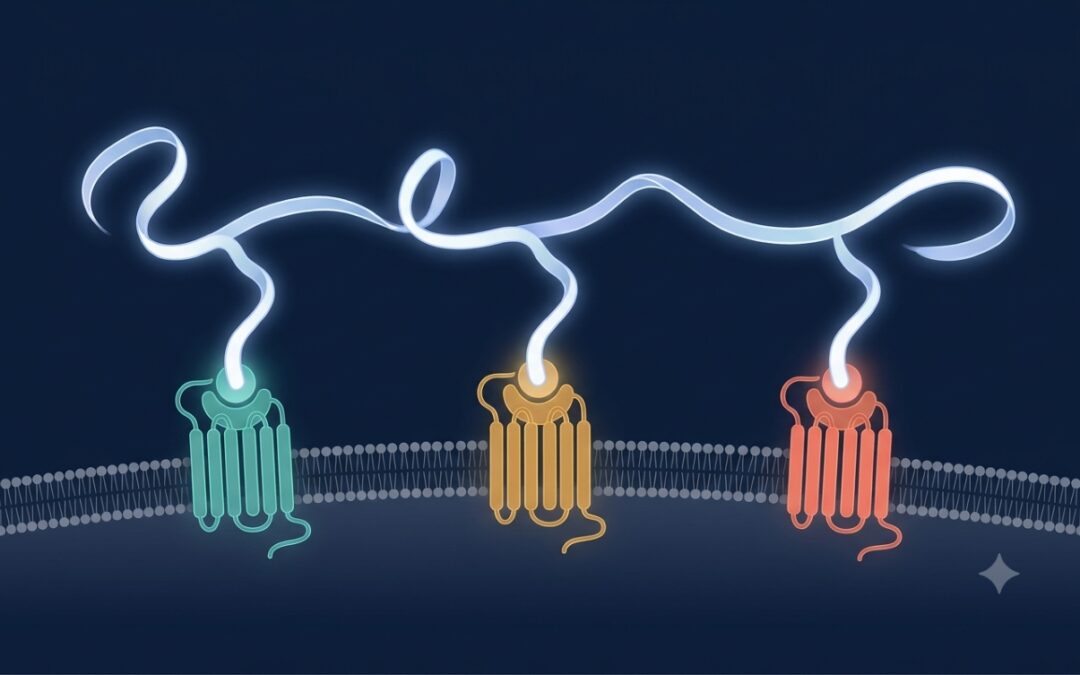
Obecabtagene autoleucel represents a pioneering form of personalised immunotherapy. The treatment, often referred to as a ‘living medicine’, functions by harnessing the patient’s own immune system to specifically target and eliminate cancer cells. This intricate process begins with the collection of a patient’s T-cells, a vital component of the immune system. These cells are then genetically engineered in a specialised laboratory setting to express a novel chimeric antigen receptor (CAR) on their surface. This CD19 CAR acts as a homing device, equipping the T-cells to recognise the CD19 protein found on the surface of the cancerous B-cells. Once engineered, the reprogrammed T-cells are expanded and infused back into the patient intravenously, typically in two doses administered ten days apart, where they multiply and actively seek out and destroy the leukaemia. This highly targeted approach is carried out at selected specialist CAR-T centres located across the country.
The development of obe-cel, which included extensive research and manufacturing conducted within the UK, specifically at Autolus’ Nucleus site in Stevenage, represents a major triumph for the nation’s life sciences sector. Dr Maria Koufali, Life Sciences Industry Director at the National Institute for Health and Care Research (NIHR), commented on the significance of this trajectory.
“The UK’s integrated research system is built to help life science companies move faster from promising science to robust evidence,” she stated, adding, “By connecting Autolus with NHS sites, specialist facilities, and experienced investigators, NIHR support is helping bring innovative cell therapies closer to patients.”
Clinical Evidence of Efficacy and Safety
The NICE recommendation is underpinned by robust data derived from the pivotal Phase 2 FELIX clinical trial. This open-label, multi-centre, single-arm study investigated the use of obecabtagene autoleucel in adult patients with relapsed or refractory B-cell ALL. The results from the trial, which involved nearly 100 participants in the efficacy-evaluable cohort, were highly encouraging, demonstrating a high rate of remission in a patient population previously facing a poor prognosis.
The clinical trial found that 77% of patients who received at least one infusion of obe-cel achieved remission. Furthermore, the evidence indicated that more than half of those who went into remission showed no signs of detectable minimal residual disease (MRD) after three and a half years. On average, the treatment was shown to extend patients’ lives by 15.6 additional months. The therapeutic effect is also suggested to improve overall survival compared to other immunotherapies currently utilised at this advanced stage of the disease.
A key distinguishing feature of obe-cel, highlighted in the NICE guidance, is its improved safety profile when compared to existing CAR-T therapies. The therapy was specifically designed to overcome common limitations associated with first-generation CAR-T treatments, which often include high levels of cytokine release syndrome (CRS) and limited persistence of the T-cells in the patient’s body. The design of Autolus’ proprietary CD19 CAR, which features a fast target binding off-rate, is intended to minimise excessive T-cell activation, contributing to the lower toxicity. In the FELIX trial, obe-cel demonstrated a lower rate of severe side effects, with only 3% of patients experiencing Grade 3 CRS events and no Grade 4 or 5 events reported. This lower toxicity is a crucial factor, potentially making the treatment a safer option for more people, including older patients or those with existing comorbidities.
Expanding Access and Comparison to Existing Treatments
The approval of Aucatzyl marks a significant enhancement to the NHS’s portfolio of advanced cancer treatments, solidifying its position as a global leader in providing access to these novel cell therapies. The NHS was the first healthcare system in Europe to offer CAR-T therapy when the first treatments were introduced in 2018.
This new therapeutic option complements the existing CAR-T treatment landscape for B-cell ALL. Currently, another CAR-T therapy, tisagenlecleucel (Kymriah), is available for patients aged 25 and under. The evidence suggests that obe-cel offers comparable efficacy to Kymriah, but it provides a much-needed option for the older adult demographic. Specifically, Aucatzyl is recommended for those aged 26 and over, while Kymriah is limited to those aged 25 and under. This distinction ensures that a wider age range of patients with relapsed or refractory B-cell ALL can now access this cutting-edge treatment on the NHS.
Helen Knight, Director of Medicines Evaluation at NICE, emphasised the importance of the recommendation for patients.
“I am delighted that we have been able to recommend this new treatment, which offers real hope to people living with this rare and aggressive blood cancer,” she said. “This drug has the potential to offer a more effective and less toxic alternative to standard treatments, with fewer side effects. This could potentially be a life-saving drug, which will make a huge difference to people’s lives, including spending less time in hospital.”
A Collaborative Achievement from Bench to Bedside
The journey of obecabtagene autoleucel from laboratory research to a routinely commissioned NHS treatment is a compelling example of successful collaboration between academic research, the NHS, and the biopharmaceutical industry. The foundational research was conducted at UCL’s Cancer Institute and Great Ormond Street Institute of Child Health, led by Dr Martin Pule.
Dr Claire Roddie, a UCLH consultant haematologist and associate professor at the UCL Cancer Institute who led on clinical trials of the therapy, welcomed the news, acknowledging the extensive work involved.
“I am delighted to hear of NICE’s decision,”
Dr Roddie stated. “Many more patients now stand to benefit from this CAR-T cell therapy on the NHS and we are still working to widen its application. Working on proving the safety and efficacy of this drug has brought together clinical and research teams from UCL and UCLH, with support from government and arms-length bodies like the NIHR and the BRC as well as the pharmaceutical industry.”
The Chief Executive Officer of Autolus, Dr Christian Itin, also reflected on the significance of the clearance.
“NHS clinical centres and UK patients participated in the development of Aucatzyl, and we are looking forward to supporting patients and physicians in England and Wales now with the commercial product,” he confirmed.
For patients, this therapy offers the profound possibility of a long-term, cancer-free life, a prospect that was often out of reach with previous treatment protocols. Professor Peter Johnson, NHS National Clinical Director for Cancer, described the potential impact with great optimism.
“This cutting-edge therapy has shown real promise in trials and could give patients with this aggressive form of leukaemia a chance to live free from cancer for longer – and, for some, it could offer the hope of a cure,” he said.
He concluded that this “living medicine“ is a “fantastic” addition to the range of CAR-T therapies available on the NHS, which are “helping people with blood cancers live longer, healthier lives.”
The National Institute for Health and Care Excellence decision means that Aucatzyl will be launched immediately in England and Wales, with the company Autolus also planning to seek approval from the Scottish Medicines Consortium (SMC) to extend patient access across Scotland. This significant step forward underscores the increasing role of precision immunotherapy in modern oncology and its potential to deliver life-saving outcomes for patients with the most challenging blood cancers.