Johnson & Johnson has announced plans to invest more than $1 billion in a new cell therapy manufacturing facility in Montgomery County, Pennsylvania. This project marks a significant expansion of its advanced therapies infrastructure and reinforces the company’s long-term commitment to oncology and next-generation biologics.
The planned facility, located in Lower Gwynedd Township, will focus on the production of cell-based therapies—an increasingly vital segment of the biopharmaceutical landscape. This investment, part of J&J’s broader $55 billion U.S. investment plan through 2029, reflects both growing clinical demand for personalized and immune-based treatments and the logistical complexity of manufacturing living-cell products at commercial scale.
Strengthening U.S. Advanced Therapy Manufacturing
Cell therapies, including autologous (patient-derived) and allogeneic (donor-derived) platforms, require highly specialized manufacturing processes. Unlike traditional small-molecule drugs or even conventional biologics, cell therapies involve:
- Harvesting: Collecting living cells from patients or donors.
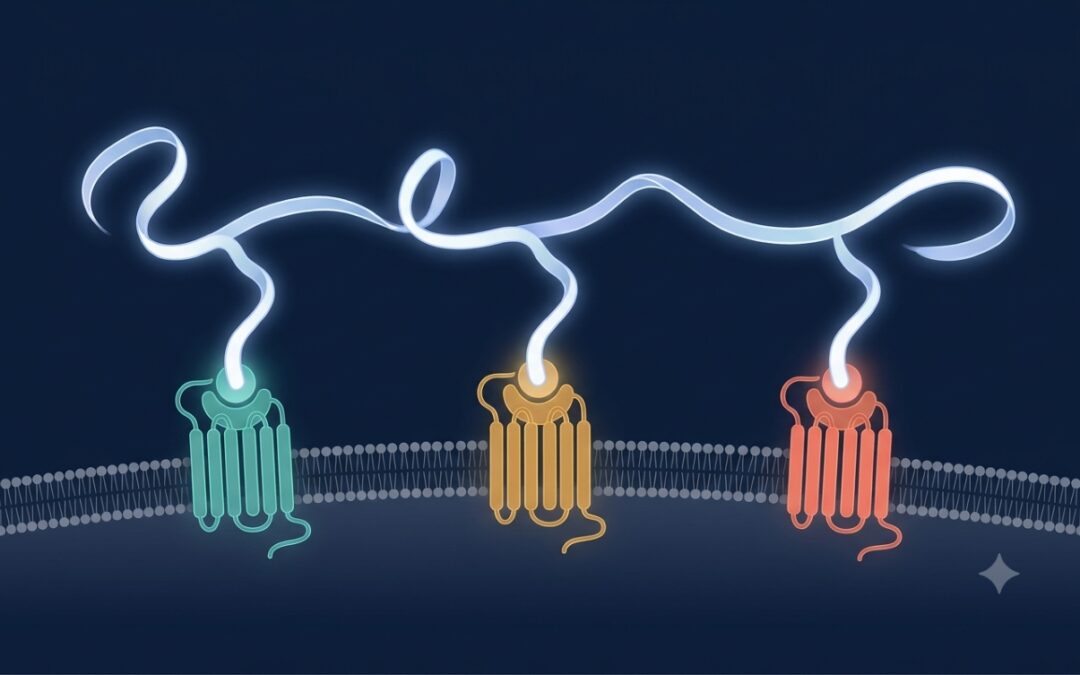
- Modification: Engineering cells (e.g., adding a Chimeric Antigen Receptor).
- Expansion: Growing the modified cells to therapeutic quantities.
- Re-infusion: Delivering the “living drug” back to the patient.
By building new capacity in Pennsylvania, Johnson & Johnson aims to enhance domestic manufacturing resilience. The state has emerged as a hub for advanced biologics, supported by academic research institutions and favorable economic development programs including $41.5 million in state tax credits and grants.
Expanding the Oncology Footprint
Johnson & Johnson has been steadily expanding its presence in oncology, particularly through its subsidiary Janssen Biotech. The company’s existing cell therapy portfolio is headlined by Carvykti® (ciltacabtagene autoleucel), a CAR-T therapy for relapsed or refractory multiple myeloma.
While CAR-T therapies have demonstrated transformative outcomes in certain blood cancers, manufacturing bottlenecks and cost pressures remain significant industry-wide challenges. By investing in expanded infrastructure, J&J is positioning itself to meet future demand while potentially reducing production timelines.
Economic and Workforce Impact
The Pennsylvania facility is expected to be a major economic driver for the region:
- 500+ High-Skilled Jobs: Spanning bioprocess engineering, quality assurance, and regulatory compliance.
- 4,000+ Construction Jobs: Created during the development phase, with construction slated to begin in the second half of 2026.
- Workforce Development: The state is awarding $2.5 million to a local community college to create a specialized workforce development training program.
A Broader Industry Trend
This announcement comes amid a wave of capital investment in advanced therapy manufacturing. Recently, Eli Lilly announced a $3.5 billion facility in the nearby Lehigh Valley. As pipelines for cell and gene therapies expand, companies are prioritizing control over production capabilities rather than relying solely on Contract Manufacturing Organizations (CMOs).
The shift reflects lessons learned during recent global supply disruptions and increasing regulatory scrutiny around manufacturing consistency. For therapies derived from living cells, reproducibility and quality control are critical, particularly when treatments are personalized to individual patients.