The obesity treatment landscape shifted decisively on 1 April 2026, when the US Food and Drug Administration approved Foundayo (orforglipron), an oral once-daily glucagon-like peptide-1 (GLP-1) receptor agonist developed by Eli Lilly. The decision marks the arrival of the first small-molecule, non-peptide GLP-1 therapy cleared for chronic weight management in adults, and it sets the stage for an intensifying commercial contest between Lilly and Novo Nordisk in the rapidly expanding oral obesity drug segment.
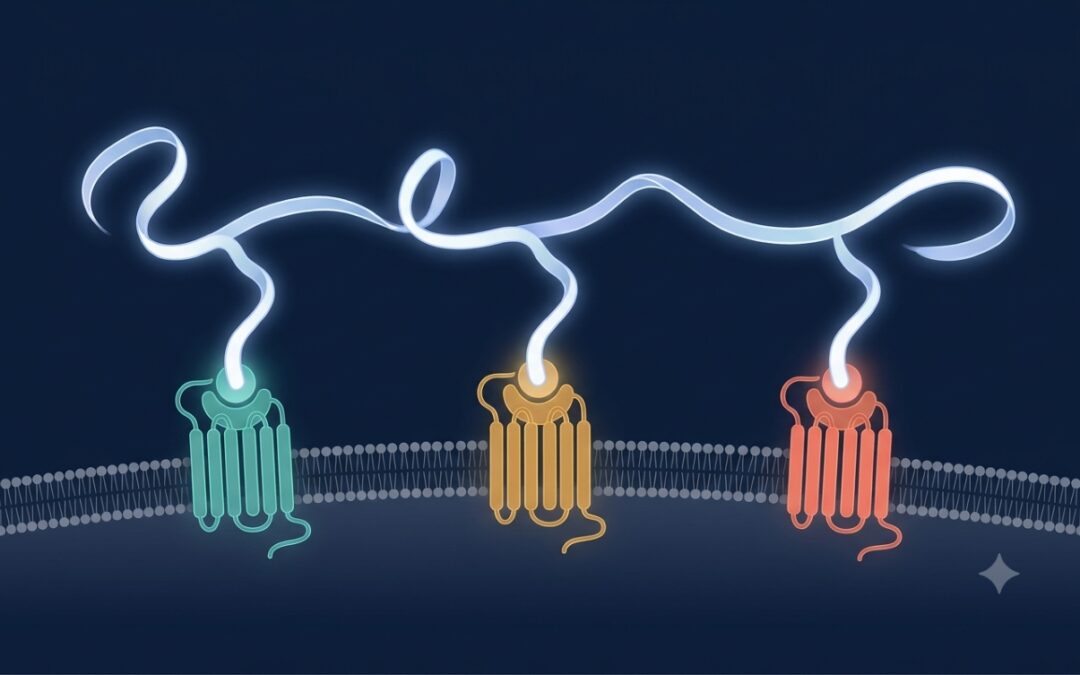
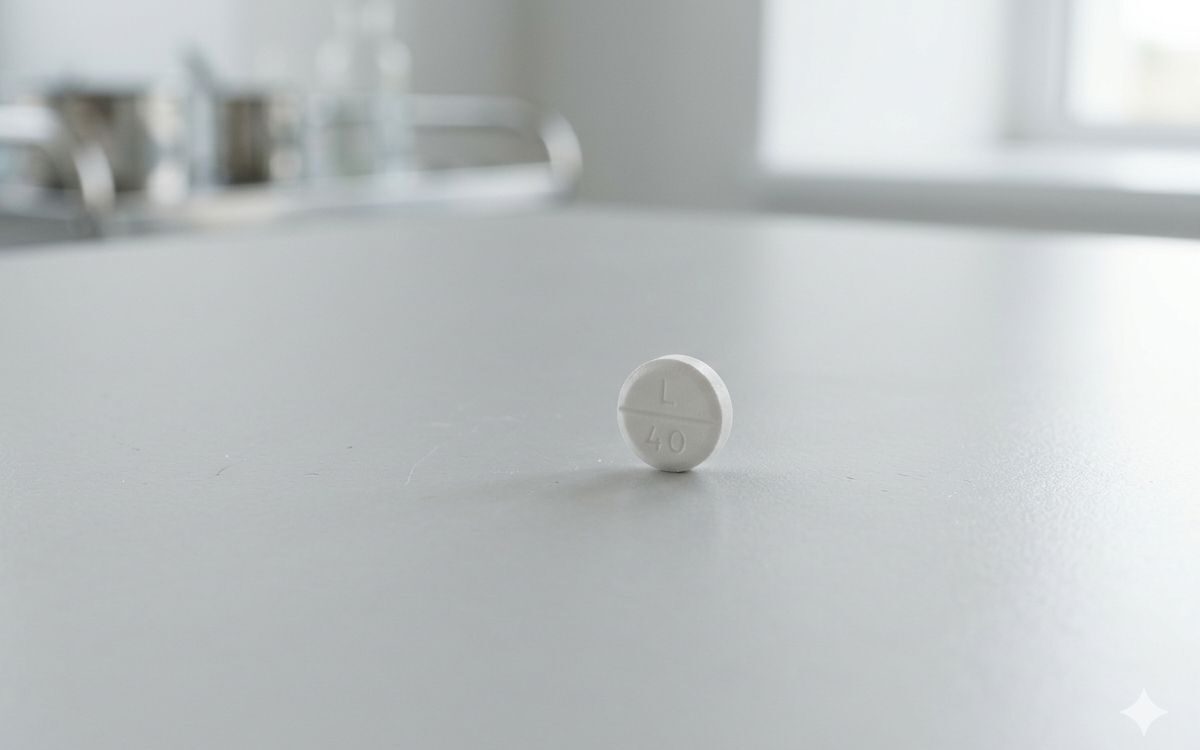
Unlike existing peptide-based GLP-1 medicines such as injectable semaglutide and tirzepatide, orforglipron is a chemically synthesised small molecule that survives the digestive process intact and reaches the bloodstream without the need for special absorption enhancers. The practical consequence is significant: the pill can be taken at any time of day, with or without food, and without water restrictions. No currently approved oral GLP-1 offers the same flexibility. As an orforglipron oral GLP-1, the drug represents a structural departure from every predecessor in its class.
A Historic Approval Pathway
The FDA cleared orforglipron just 50 days after its application was filed, some 294 days ahead of the originally assigned PDUFA date of 20 January 2027. The agency used the Commissioner’s National Priority Voucher (CNPV) pilot programme to expedite review through reduced idle time and continuous communication between sponsor and regulator. Tracy Beth Høeg, MD, PhD, Acting Director of the FDA’s Center for Drug Evaluation and Research, set out the significance in the agency’s approval statement: “The approval of orforglipron is another example of how the FDA’s CNPV pilot program has been able to more quickly bring effective treatments to Americans. Individuals who are overweight or obese now have an additional option to help with weight loss — a GLP-1 receptor partial agonist pill which does not need to be taken on an empty stomach. The CDER review team delivered a thorough, high-quality product review and benefit-risk analysis, while simultaneously taking months off the standard filing-to-decision time.” The approval is also notable as the first new molecular entity approved under the CNPV programme, and the fastest NME clearance recorded since 2002.
Orforglipron was originally discovered by Chugai Pharmaceutical, a Roche subsidiary, and licensed to Lilly in 2018 for an upfront payment of USD 50 million, with up to USD 390 million in potential milestone payments. At the time of licensing, the compound, then known as OWL833, was considered Phase I-ready for studies in type 2 diabetes.
Clinical Evidence from the ATTAIN Programme
The FDA approval rests on data from the Phase 3 ATTAIN clinical development programme, comprising two global, randomised, double-blind, placebo-controlled trials conducted over 72 weeks.
ATTAIN-1 enrolled 3,127 adults with obesity or overweight without diabetes. Participants receiving the highest dose of orforglipron achieved a mean weight reduction of approximately 12.4% from baseline, equating to an average loss of 27.3 lb compared with 2.2 lb in the placebo group. Across all participants regardless of treatment completion, mean weight loss was 11.1% with orforglipron versus 2.1% with placebo. The trial also recorded improvements in cardiometabolic risk markers including waist circumference, non-HDL cholesterol, triglycerides, and systolic blood pressure. Of those receiving the highest dose, 71.5% achieved at least a 5% reduction in body weight, compared with 26.8% in the placebo group. The ATTAIN programme positions orforglipron oral GLP-1 therapy as clinically competitive with higher-potency injectables for a meaningful subset of patients.
ATTAIN-2, which enrolled more than 1,600 adults with obesity or overweight and concurrent type 2 diabetes, showed weight reductions ranging from 5.1% to 9.6% across orforglipron doses, against 2.5% with placebo, alongside significant improvements in HbA1c and other prespecified cardiometabolic endpoints.
As with other GLP-1 therapies, gastrointestinal adverse events predominated in both trials, including nausea, constipation, diarrhoea, vomiting, and dyspepsia. Five cases of mild pancreatitis were reported in the orforglipron groups. No cases of medullary thyroid carcinoma were observed, though the prescribing information carries a boxed warning regarding thyroid C-cell tumour risk, in line with the broader GLP-1 drug class. Discontinuation rates were higher with orforglipron than with placebo in both trials, and deaths were adjudicated as largely unrelated to treatment.
Deborah Horn, DO, director of the Center for Obesity Medicine at McGovern Medical School at UTHealth Houston, commented at the time of approval: “People living with obesity need treatment options that meet them where they are, and for many, a once-daily pill that can be taken with no food or water restrictions can offer them greater flexibility in how they approach their treatment. With Foundayo, we now have an oral option that delivered an average of 12.4% weight loss at the highest dose in clinical trials, addressing both the clinical realities of obesity and the practical challenges patients face every day.”
Lilly Versus Novo Nordisk: The Oral Weight Loss Race Begins
Foundayo’s approval sets up a direct commercial confrontation with Novo Nordisk’s oral semaglutide, which received FDA clearance as an obesity treatment in December 2025 and was launched in the United States in January 2026. Although Rybelsus, an earlier oral formulation of semaglutide, has been approved for type 2 diabetes since 2019, the higher-dose Wegovy tablet represents Novo Nordisk’s first oral obesity-specific product.
The two drugs differ materially in their chemistry and dosing requirements. Oral semaglutide is a large peptide molecule that demands morning administration with restricted food and water intake to ensure adequate absorption via SNAC technology. Orforglipron, as a small molecule, carries no such restrictions and can be swallowed as a straightforward once-daily pill. This distinction is expected to play an important role in patient preference and long-term adherence.
Novo Nordisk has moved quickly to contest Lilly’s positioning. Shortly after the Foundayo approval, the Danish company announced plans to present findings from its ORION study at the Obesity Medicine Association’s annual conference in San Diego, scheduled for 10-12 April 2026. The data, based on a population-adjusted indirect treatment comparison, suggest that the 25 mg Wegovy tablet is associated with significantly greater mean weight loss than orforglipron 36 mg. Novo Nordisk also cited a separate patient preference study indicating a greater preference for an oral semaglutide-like profile. Robert F. Kushner of Northwestern Feinberg School of Medicine, commenting on Novo’s data, noted: “Since there are no head-to-head trials comparing oral semaglutide for obesity to orforglipron, this indirect treatment comparison from the Orion study provides important information that can be used during the shared decision-making process.”
Analysts broadly expect that injectable formulations will retain a dominant share of the branded obesity market. According to assessments by William Blair, Zepbound and Wegovy injections are likely to hold approximately 80% of the US branded obesity drug market by virtue of their higher potency. Oral options are seen as growth drivers for a broader patient population, particularly those with needle aversion or patients who have not previously been prescribed injectable GLP-1 therapy. The commercial contest will ultimately hinge on whether the convenience profile of an orforglipron oral GLP-1 regime is sufficient to win formulary placement and patient preference over injectable alternatives.
Pricing, Access, and Market Outlook
Eli Lilly has set the wholesale acquisition cost for Foundayo at USD 649 per month, a price point it describes as competitive with existing injectable GLP-1 options. In practice, most patients are expected to pay considerably less. Those with commercial insurance can access the drug for as little as USD 25 per month through Lilly’s savings card scheme, while self-pay pricing via LillyDirect begins at USD 149 per month for the starter dose, rising to USD 299 per month at maintenance doses. Eligible Medicare Part D beneficiaries are expected to pay approximately USD 50 per month from July 2026, subject to enrolment in the CMS BALANCE model. Novo Nordisk has adopted similar pricing architecture for the Wegovy tablet, with self-pay rates starting at USD 149 per month for the lowest dose, creating a direct price competition that analysts say is already influencing near-term revenue forecasts for both companies.
Prescriptions were accepted via LillyDirect from the day of approval, with shipments beginning on 6 April 2026. Amazon Pharmacy launched same-day delivery in nearly 3,000 US cities as of 9 April, and availability is expanding across major retail chains including CVS, Walgreens, Walmart, and Costco. Lilly has also submitted regulatory applications for orforglipron in more than 40 countries and intends to launch in each market shortly after local approval.
Analyst projections for Foundayo range widely. Jefferies estimates that Foundayo revenues could reach as much as USD 1.6 billion in 2026, while the Bloomberg consensus projects peak annual sales of at least USD 18 billion by 2030, with some forecasts extending to USD 40 billion. These figures represent a remarkable return on Lilly’s original investment: the company licensed orforglipron from Chugai for USD 50 million just eight years ago.
The approval also arrives within the context of a global obesity drug market projected to reach USD 150 billion by 2035, according to analysis by Clarivate. GLP-1 agonists have become the segment’s defining drug class over the past decade, driven by the success of Ozempic and Wegovy in semaglutide and Mounjaro and Zepbound in tirzepatide. The addition of oral, small-molecule options is expected to expand the addressable market further, reaching patients who have previously been reluctant or unable to pursue injectable therapies.
Beyond Obesity: Orforglipron’s Expanding Pipeline
In addition to its approved obesity indication, orforglipron is being investigated across a range of metabolic and cardiometabolic conditions, including type 2 diabetes, obstructive sleep apnoea, osteoarthritis knee pain, hypertension, peripheral artery disease, and stress urinary incontinence. A head-to-head Phase 3 trial published in The Lancet earlier this year reported that orforglipron delivered superior blood glucose control and weight loss compared with oral semaglutide in patients with type 2 diabetes.
Orforglipron also faces competition in the small-molecule oral GLP-1 space beyond the current Lilly-Novo rivalry. For a broader view of candidates advancing through late-stage development, our GLP-1 drug pipeline 2026 tracker covers the full field of emerging oral and injectable agents, including AstraZeneca and Eccogene’s elecoglipron, for which Phase 3 trials were announced in January 2026, and Structure Therapeutics’ aleniglipron, which is advancing through Phase 2 with a Phase 3 programme expected to begin in the second half of 2026.
What This Means for Patients and Clinicians
Foundayo is indicated for adults with a BMI of 30 or above, as well as adults with a BMI of 27 or above who have at least one weight-related comorbidity. It is approved for use alongside a reduced-calorie diet and increased physical activity, consistent with current guidance for pharmacological obesity treatment. Contraindications include a personal or family history of medullary thyroid carcinoma or multiple endocrine neoplasia syndrome type 2, prior serious allergic reaction to orforglipron, and concomitant use of other GLP-1 receptor agonists.
The drug’s small-molecule structure also offers a manufacturing advantage that analysts believe could prove consequential over time. As AJMC noted at the time of approval, manufacturing orforglipron as a small molecule may improve scalability versus oral semaglutide, potentially affecting supply dynamics and pricing competition in the oral obesity market. Peptide-based GLP-1 drugs require complex biological synthesis, and both Wegovy and Zepbound faced prolonged supply constraints as demand surged from 2022 onwards. Eli Lilly has said it is confident in its ability to launch orforglipron globally without supply constraints, citing significant investment in domestic manufacturing infrastructure including four new US facilities. Scalability may prove to be a defining structural advantage for orforglipron oral GLP-1 relative to peptide-based competitors. If the scalability advantage holds in practice, it could influence formulary decisions and prescribing patterns at a system level, particularly as oral GLP-1 demand is expected to grow substantially.
For now, Foundayo’s launch marks a genuine expansion of therapeutic choice in obesity care. Whether its dosing convenience outweighs the modest efficacy gap relative to higher-potency injectables remains a question that patients and clinicians will settle individually. The more consequential test may come over the next 12 to 18 months, as real-world adherence data accumulates, insurance coverage decisions crystallise, and rival oral candidates from AstraZeneca and Structure Therapeutics advance through late-stage trials. What is already clear is that the oral weight loss drug race, once a distant prospect, has arrived in earnest.