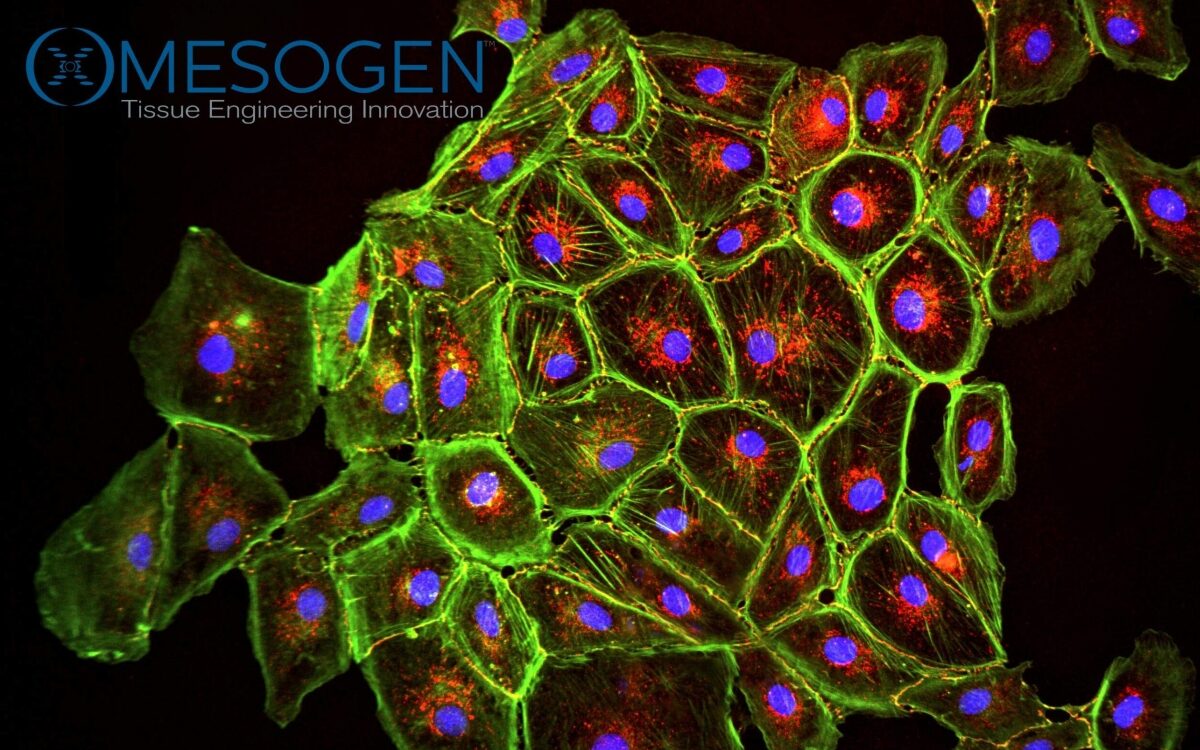
For much of my career I have been fascinated by a simple but profound question: What if medicine could restore what disease destroys?
Modern medicine has achieved remarkable success in helping patients manage chronic illnesses. We have developed sophisticated drugs, advanced surgical techniques, and increasingly precise diagnostic tools. Yet for many of the most devastating diseases, we are still primarily treating symptoms rather than replacing the damaged tissues and cells at the root of the problem.
That reality led me into the field of regenerative medicine and ultimately inspired the founding of Mesogen.
But the story is also deeply personal.
Like many scientists and physicians, I have spent years studying disease through research papers, laboratory experiments, and clinical observations. Yet my perspective on one particular disease changed forever when it entered my own home. My son was diagnosed with Type 1 diabetes.
Watching a child navigate the daily realities of this disease provides a very different understanding than any textbook or clinical lecture ever could. You see the constant blood glucose monitoring, the insulin calculations, the concerns about hypoglycemia, the interrupted sleep, and the relentless burden that follows patients and families every day. While tremendous advances have improved management of Type 1 diabetes, they have not eliminated the disease itself.
As a father, I wanted a cure.
As a physician and researcher, I wanted to understand whether regenerative medicine could help create one.
That question became one of the driving forces behind Mesogen.
My early work in tissue engineering and bioreactor development exposed me to the extraordinary potential of living cells as therapeutic tools. I spent years working on technologies designed to support tissue regeneration, including systems intended to help researchers better understand how organs grow, repair themselves, and respond to injury. The experience reinforced my belief that the future of medicine would not simply be pharmaceutical. It would be biological.
The challenge, however, was always translating promising laboratory discoveries into therapies that could realistically help patients.
One of the most significant obstacles facing regenerative medicine has been immune rejection. Many cell-based therapies rely on donor-derived cells. While these approaches have produced encouraging results, they often require complex immune management strategies and carry inherent biological limitations.
I became increasingly interested in a different possibility: using a patient’s own cells as the starting point for therapy.
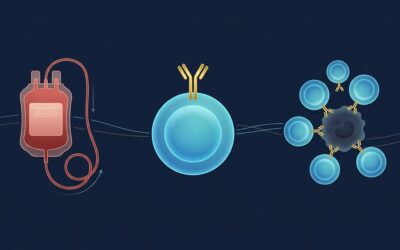
Autologous regenerative medicine offers a compelling vision. By harvesting stem cells directly from the patient and engineering them into specialized therapeutic cells, we may be able to create treatments that are biologically compatible from the outset. Rather than asking the body to accept foreign tissue, we are potentially returning a transformed version of its own cellular material.
That concept became the scientific foundation for Mesogen.
When we launched the company, our goal was not simply to develop a single product. We wanted to build a regenerative medicine platform capable of addressing multiple diseases through a common technological framework.
Every parent of a child with Type 1 diabetes understands the hope that one day there may be a therapy capable of restoring natural insulin production. That hope fueled countless hours in the laboratory and continues to motivate our team today.
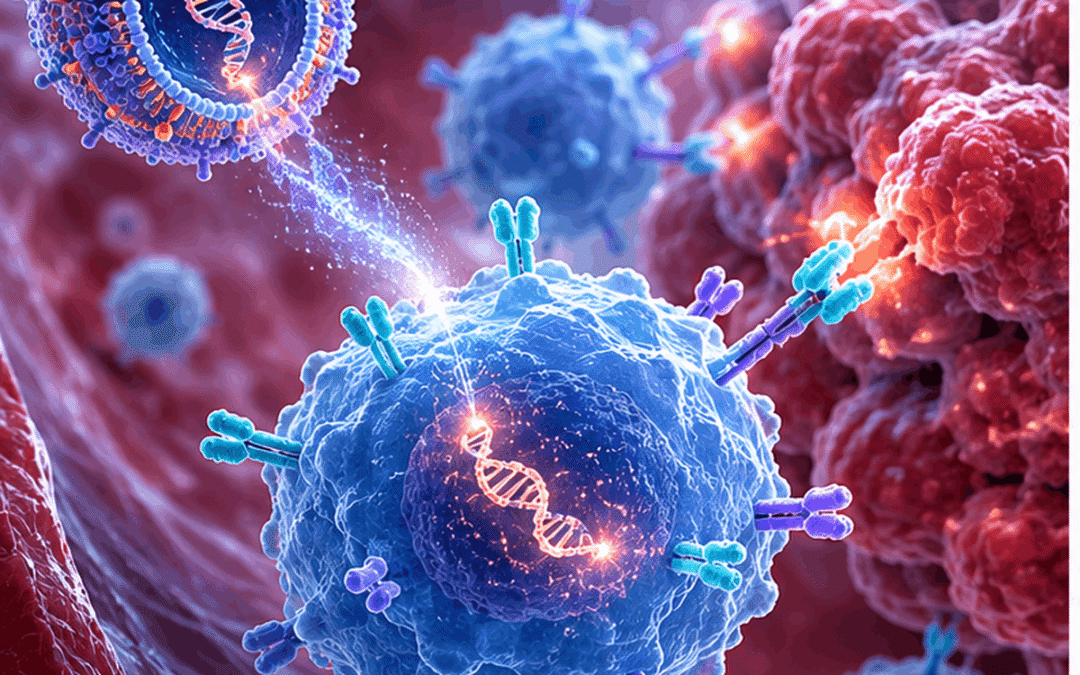
Our focus centered on mesenchymal stem cells, adult stem cells that can be harvested from bone marrow and directed toward various specialized cellular functions. Advances in molecular biology, transcriptomics, imaging, and biomaterials have created opportunities that did not exist even a decade ago. Today, we can characterize cellular behavior with extraordinary precision and increasingly guide stem cells toward highly specific therapeutic outcomes.
At Mesogen, we have concentrated our efforts on two diseases that represent significant unmet medical needs: Type 1 diabetes and retinal degeneration.
Type 1 diabetes remains one of the most challenging chronic diseases in medicine. Despite remarkable advances in insulin delivery systems and glucose monitoring technologies, patients still live with the daily burden of replacing a function their bodies once performed naturally. The underlying problem remains the loss of insulin-producing beta cells.
Our research has focused on whether autologous stem cells can be engineered into pancreatic progenitor and beta-like cells capable of restoring some of that lost function. While considerable scientific and regulatory work remains ahead, we believe regenerative approaches have the potential to fundamentally change how future generations think about diabetes treatment.
For me, this work has never been solely an academic exercise. Every advancement carries the possibility of helping families like my own and millions of others affected by this disease around the world.
The same philosophy applies to retinal disease.
Age-related macular degeneration and other retinal disorders affect millions of people worldwide and remain leading causes of vision loss. Existing therapies often focus on slowing progression, but relatively few approaches seek to restore damaged retinal tissue itself.
For that reason, we have been investigating methods for generating retinal pigment epithelium cells from a patient’s own stem cells and combining them with advanced biomaterial scaffolds. Our objective is to create tissue-engineered constructs that can support retinal repair and, ultimately, preserve or restore vision.
What excites me most is not any individual product candidate. It is the broader evolution occurring across regenerative medicine.
We are witnessing the convergence of stem cell biology, biomaterials science, advanced manufacturing, automation, artificial intelligence, and molecular analytics. Together, these technologies are creating possibilities that would have seemed unattainable only a generation ago.
The regenerative medicine companies that will succeed in the coming decade are unlikely to be defined by a single therapy. Instead, they will be distinguished by their ability to create repeatable platforms capable of generating multiple therapeutic solutions across numerous disease categories.
That is the vision that continues to guide our work at Mesogen.
We remain early in this journey. Scientific validation, clinical development, regulatory review, and manufacturing scale-up are all essential steps that require time and rigor. Regenerative medicine has never been a field for shortcuts.
Nevertheless, I believe we are approaching an inflection point. For the first time, the tools available to researchers are beginning to match the ambitions that originally inspired the field. The prospect of repairing damaged tissue, restoring lost function, and developing truly personalized therapies is no longer a distant aspiration. It is becoming an increasingly realistic scientific objective.
As a physician, I see the enormous unmet need that remains across chronic disease. As a scientist, I see technologies rapidly maturing. As a founder, I see an opportunity to help build the future of regenerative medicine.
But as a father, I still hold onto the same hope that started this journey years ago: that one day children diagnosed with Type 1 diabetes will not spend their lives managing the disease because medicine will have found a way to restore what has been lost.
That belief is why I founded Mesogen, and why I remain optimistic about what lies ahead for regenerative medicine.
Author Bio