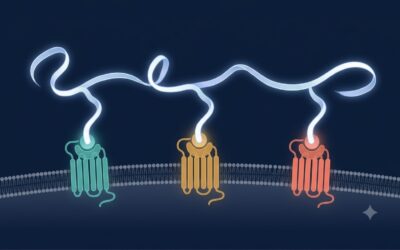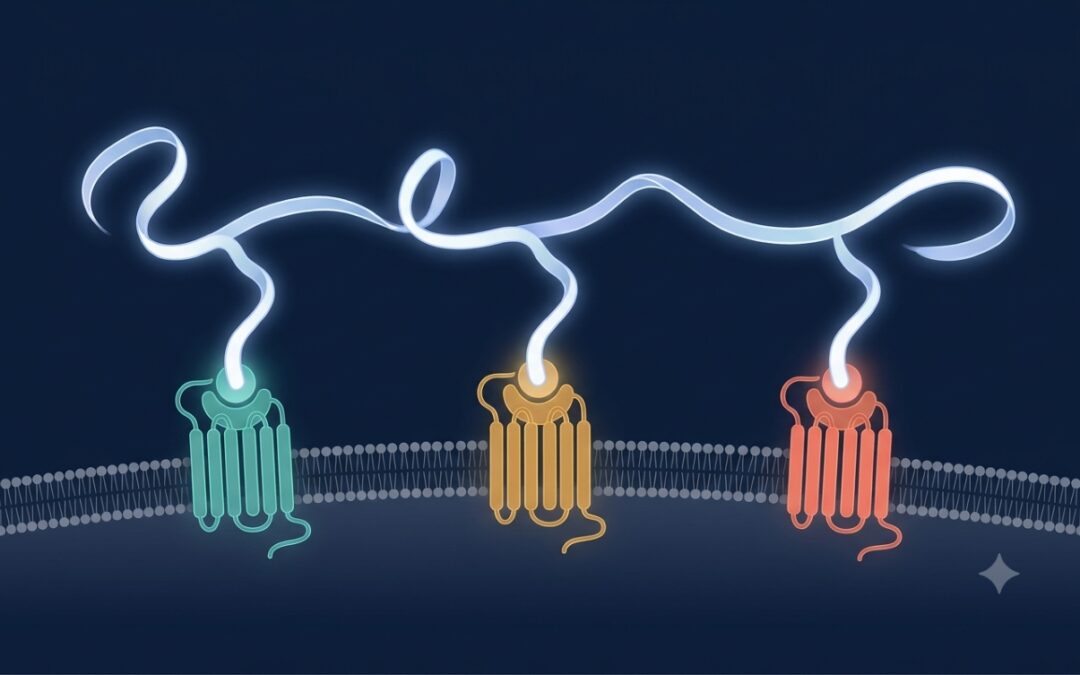
In May 2026, a single intravenous infusion reduced LDL cholesterol by up to 62% in patients with a genetic condition that no statin could adequately control. No repeat dosing was required. No serious adverse events were reported. The therapy, VERVE-102, was not a conventional drug. It was a base editor: a molecular tool that rewrote a single letter of DNA in liver cells without cutting the genome at all. When clinicians and researchers now weigh up base editing vs CRISPR, they are comparing two genuinely distinct approaches to rewriting the human genome, with very different risk profiles, applicable conditions, and clinical futures.
How CRISPR-Cas9 Works
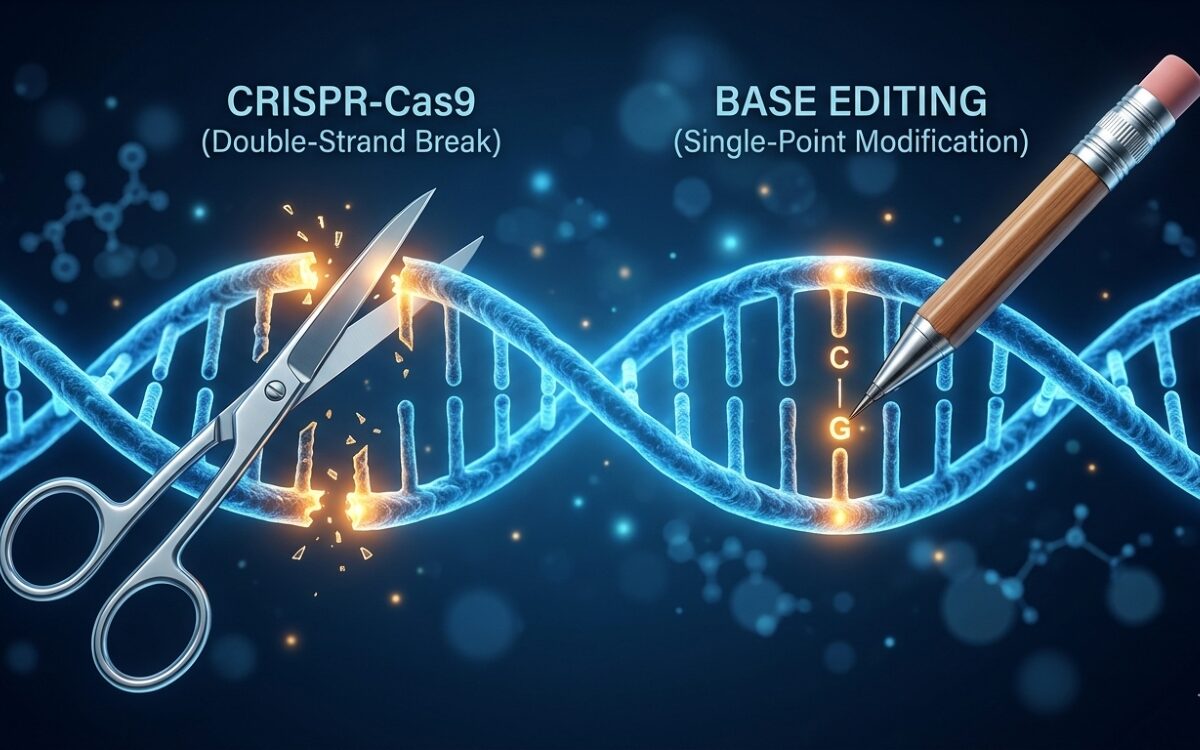
CRISPR-Cas9 works by using a guide RNA to direct the Cas9 enzyme to a target location in the genome, where it makes a cut across both strands of the DNA double helix. The cell’s own repair machinery then fixes the break. The problem is that the most common repair pathway, known as non-homologous end joining, is error-prone, and it can introduce random insertions or deletions at the cut site. A more precise repair route requiring a DNA template is available, but it is inefficient in most cell types, particularly those that are not actively dividing.
Despite this, CRISPR-Cas9 has proven transformative. In November 2023, the UK’s Medicines and Healthcare Products Regulatory Agency became the first regulator in the world to approve a CRISPR-based therapy, Casgevy (exagamglogene autotemcel), for sickle cell disease and transfusion-dependent beta thalassaemia. The FDA followed in December 2023. Developed by Vertex Pharmaceuticals and CRISPR Therapeutics, Casgevy edits a patient’s own blood stem cells to reactivate fetal haemoglobin production, compensating for the defective adult haemoglobin that causes disease. The therapy has been described as a potential functional cure for patients who previously had limited options. The underlying mechanism, however, still depends on double-strand DNA breaks and the cell’s repair response.
What Base Editing Does Differently
Base editing, first described in 2016 by David Liu’s laboratory at the Broad Institute of MIT and Harvard, takes a fundamentally different approach. Rather than cutting the DNA, it chemically converts one DNA letter to another at a specific site, leaving the double helix intact. If CRISPR-Cas9 is molecular scissors, base editing is closer to a molecular pencil, locating the target letter and overwriting it in place.
The base editor fuses a catalytically impaired form of Cas9, which can bind DNA but cannot cut it, to a deaminase enzyme. Cytosine base editors convert C to T. Adenine base editors convert A to G. Between them, these two types cover four of the 12 possible single-letter DNA changes. Because no double-strand break is generated, the risks associated with error-prone repair are substantially reduced. Genomic stress, chromosomal rearrangements, and random insertions or deletions are far less likely to result. Liu received the 2025 Breakthrough Prize in Life Sciences for this work and for prime editing, recognition that these tools represent distinct scientific advances rather than refinements of existing technology.
This precision matters clinically. The Breakthrough Prize organisation notes that base editing can address around 30% of the mutations known to cause genetic diseases, specifically those involving single-letter DNA misspellings of the type that current base editors can correct. For conditions driven by these point mutations, it offers a more targeted and predictable mechanism than conventional CRISPR.
The Clinical Pipeline Accelerates
The clinical evidence base for base editing is growing quickly. As of October 2025, 23 base editing therapies were in active clinical trials, with more than half returning initial results showing consistent clinical activity across indications. The programmes span blood disorders, cardiovascular disease, metabolic conditions, and rare genetic syndromes.
The Heart-2 Phase 1b trial of VERVE-102 produced the field’s most striking dataset to date. Results covering 35 participants across six dose cohorts were published in the New England Journal of Medicine on 25 May 2026 and simultaneously presented at the European Atherosclerosis Society Congress in Athens. A single infusion of VERVE-102 produced dose-dependent reductions in both PCSK9 protein and LDL cholesterol, with PCSK9 falling by up to 88% and LDL-C declining by up to 62% at the highest doses tested. In a subset of participants, these reductions were sustained for up to 18 months. No treatment-related serious adverse events were reported across the full cohort. Verve Therapeutics, which developed VERVE-102, is now a wholly owned subsidiary of Eli Lilly, which announced the acquisition in June 2025 and completed it in Q3 2025, to advance its base editing-based cardiovascular pipeline.
Beam Therapeutics has reported that its candidate BEAM-302 can correct the disease-causing mutation in patients with alpha-1 antitrypsin deficiency. A separate Beam programme is investigating a base editing treatment for glycogen storage disease type I, targeting the R83C mutation, which is responsible for the most severe form of that condition. In the immunodeficiency space, a Phase I/II trial correcting an error in the IL2RG gene was scheduled to begin dosing participants from June 2025, using ex vivo base editing of immune stem cells.
Where CRISPR Still Leads
Base editing does not yet cover all mutation types. Its current tools address four of the 12 possible single-nucleotide changes. A narrow editing window further limits the accessible target sites depending on the surrounding DNA sequence. For larger-scale genomic changes, such as inserting or deleting longer stretches of DNA, conventional CRISPR-Cas9 remains the more capable platform.
Commercially, CRISPR retains a clear lead. Casgevy is approved and in clinical use. Base editing therapies have not yet completed a regulatory process in any indication. Prime editing, which Liu’s laboratory introduced in 2019, can theoretically make all 12 base conversions as well as small insertions and deletions without double-strand breaks. It is promising but remains at an earlier clinical stage, with efficiency varying across cell types.
Delivery and Safety: The Shared Challenge
Regardless of the editing mechanism, delivering the molecular machinery safely to the relevant cells remains a shared challenge across the field. Lipid nanoparticles have emerged as the preferred vehicle for liver-targeting therapies. Both the VERVE-102 programme and Beam’s AATD work have demonstrated encouraging safety profiles using this approach. Viral vectors remain relevant for other tissue types, though their size constraints can pose difficulties for the larger base editor proteins.
Long-term safety data are still limited for both platforms. Off-target editing requires systematic evaluation in each programme. For base editing, bystander effects, where unintended nucleotides within the editing window are also altered, have been identified as a technical challenge. Advances in deaminase engineering and guide RNA design are progressively reducing this risk, and next-generation editors with higher specificity are in development. Lilly has noted that VERVE-102 will be subject to 15 years of long-term follow-up to assess durability and off-target risk.
A Maturing Toolkit
The debate over base editing vs CRISPR is less a competition than a reflection of a maturing toolkit. CRISPR-Cas9 proved that genome editing in humans was possible, opened regulatory pathways, and delivered the first approved therapy. Base editing builds on that foundation for a specific and clinically significant category of mutations, doing so with greater chemical precision and without the risks inherent in strand breaks.
For clinicians, the question is not which technology wins but which tool best suits each condition. Companies and their investors have already internalised that logic. Eli Lilly’s acquisition of Verve Therapeutics reflects a calculated bet that single-letter mutation correction represents a commercially and therapeutically defensible space in genetic medicine. As Phase II and Phase III data emerge across multiple indications through 2026 and beyond, the clinical picture will sharpen considerably.