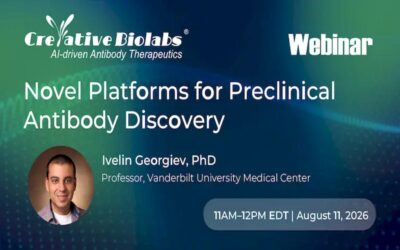
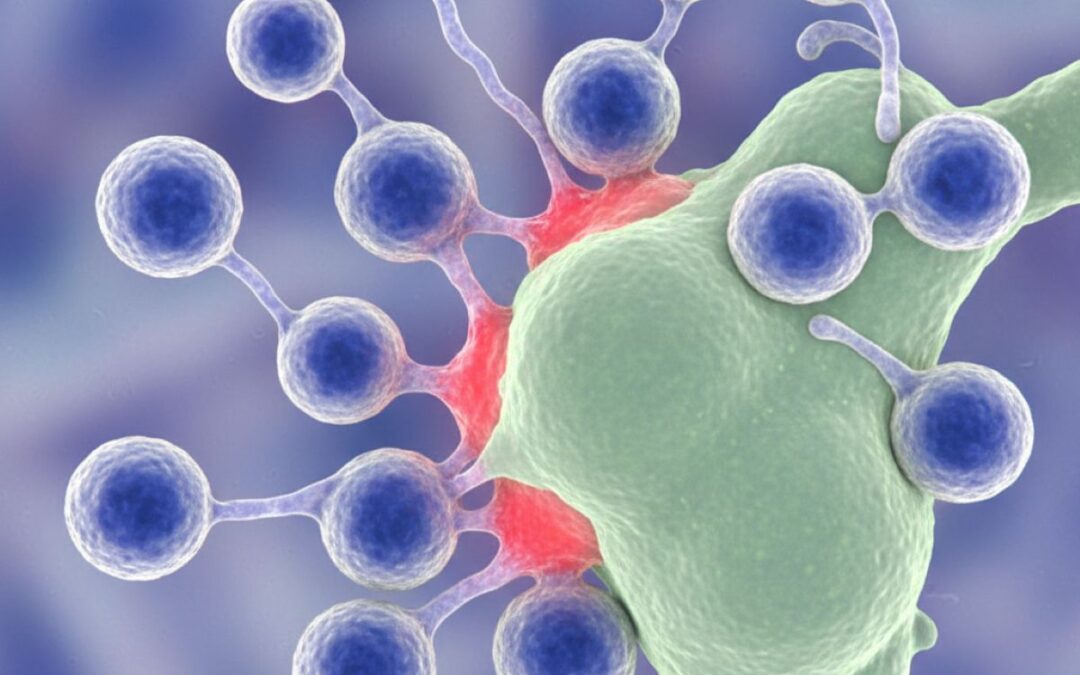
The therapeutic landscape has been undeniably transformed by monoclonal antibodies (mAbs). From oncology to autoimmune disorders and emerging infectious diseases, mAbs represent one of the most powerful modalities in modern medicine. However, the initial phase of...
Exploring the Role of Astrocytes in MND With Translatable Human Cell Models
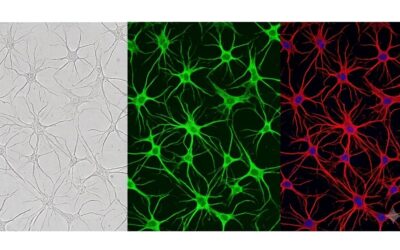
Motor Neuron Disease (MND) is characterised by the progressive loss of motor neurons. Despite years of research into the disease, effective treatments remain extremely limited and half of patients pass away within two years of diagnosis. To date there is no cure for...
How Blood-Based Testing Could Close the Cancer Detection Gap
We have made real progress against cancer through better therapies, stronger treatments, and more precise diagnostics. Yet liver cancer, one of the fastest-rising causes of cancer-related death in the United States, remains a painful reminder that innovation does not...
Funding Pressures Push Researchers to Rethink Traditional Models
Australia's medical researchers have been handed a blunt new brief to simply do more with less. The newly published 10-year National Health and Medical Research Strategy from the Australian Government Department of Health, Disability and Ageing names a problem the...
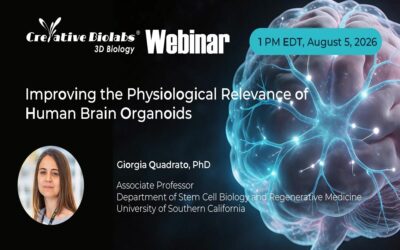
Next-Gen 3D Models: A Webinar on Elevating Brain Organoid Fidelity
Human brain organoids have fundamentally shifted the paradigm of neurological research. By transforming human pluripotent stem cells (hPSCs) into self-organizing, three-dimensional tissues, these models provide an unprecedented window into the distinct spatial...
NAMs and Animal Testing: Separating Progress From Hype
If you followed the headlines over the past two years, you could be forgiven for thinking animal testing in drug development is already on its way out. In December 2022, the FDA Modernization Act 2.0 removed the blanket legal requirement for animal studies to support...
A Milestone in Rare Disease Genomics
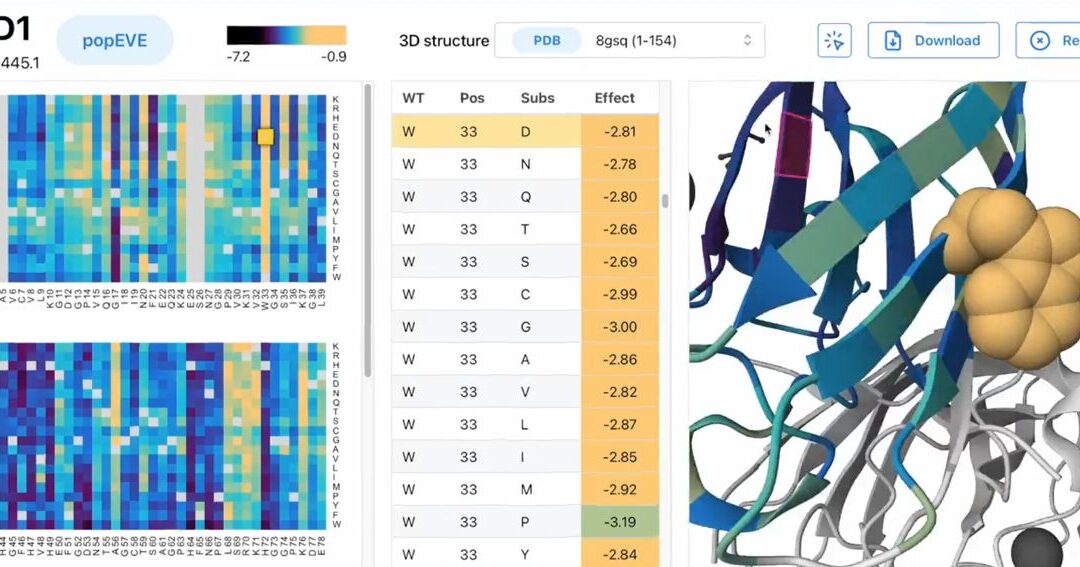
Why popEVE Matters Interpreting missense variants has long been one of the most persistent challenges in clinical genetics. These single–amino-acid substitutions can subtly alter protein structure or function, yet their effects are often context-dependent and...
Brain Cell Communication at the Molecular Level
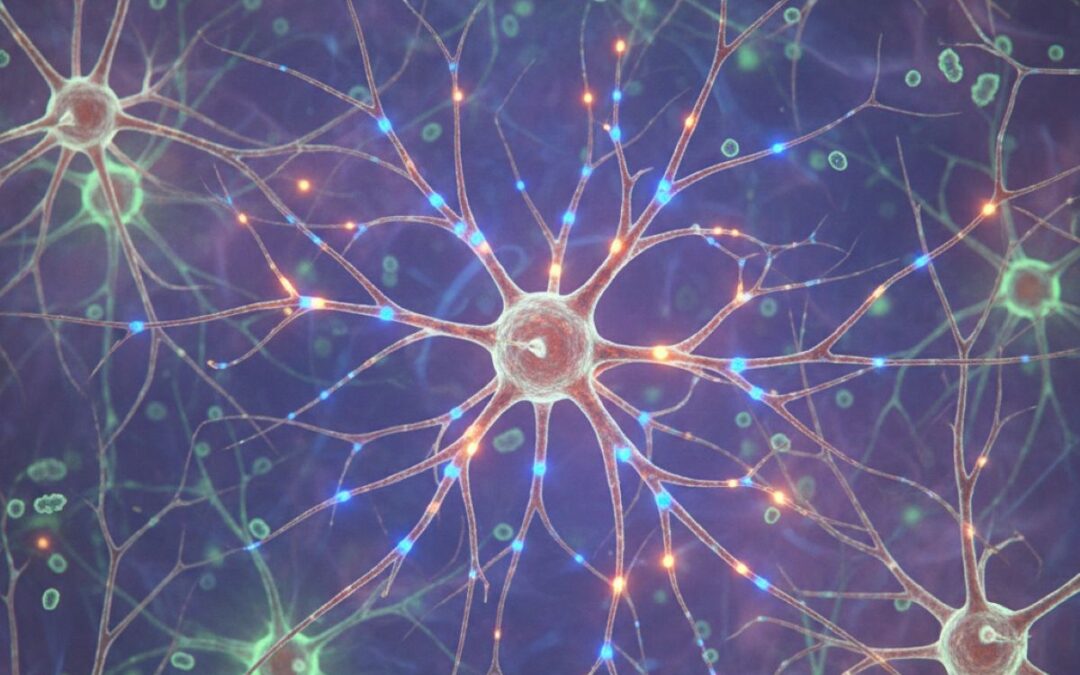
Brain Cell Communication at the Molecular Level Neural communication isn’t abstract, it’s a sequence of tightly regulated biophysical events. Ion gradients shift, channels open and close with millisecond precision, calcium signals trigger chemical release, and...
Bacterial Movement Beyond Flagella: Surprising New Mechanisms Uncovered
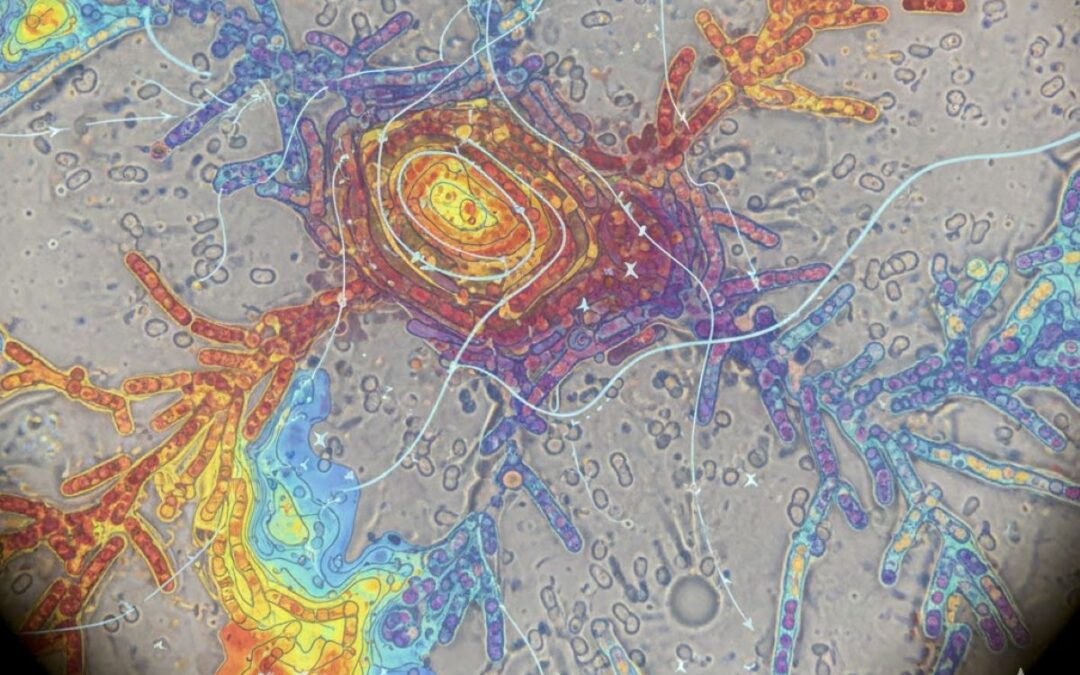
Emerging Evidence of Alternative Motility For decades, scientists have believed that bacterial movement relied almost entirely on the rotation of whip-like flagella, which propel cells through liquids or across surfaces. However, new research has revealed that some...
The Passing of a Scientific Giant: James D. Watson
Renowned molecular biologist James D. Watson has died at the age of 97, his son and the Cold Spring Harbor Laboratory (CSHL) in New York confirmed. The scientist, best known for co-discovering the double helix structure of DNA in 1953, passed away following a brief...
The Rise of Cell and Gene Therapy Hubs Across Northern England
The life sciences landscape in northern England is undergoing a dynamic evolution, driven by the growing importance of advanced therapies such as cell and gene treatments. These innovative approaches, which aim to treat or cure diseases by intervening at the level of...
Rewriting the MND Playbook
How AI and Biomarkers Are Accelerating the Fight Against Motor Neurone Disease Every ninety minutes in the United Kingdom, someone receives a diagnosis of Motor Neurone Disease (MND), also known as Amyotrophic Lateral Sclerosis (ALS), and every ninety minutes, someone...
Challenges in Life Sciences Real Estate
The commercial real estate market serving the life sciences industry is currently undergoing a complex period of adjustment. The underlying dynamics that once propelled rapid growth, such as enthusiastic venture capital, strong demand from biotech and pharmaceutical...
Age Related T Cell Changes Weaken Vaccine Response in Older People
As the population ages, one of the major challenges facing public health is that vaccines tend to become less effective in older adults. A growing body of research increasingly points to specific changes in T cells, critical components of the immune system, as a key...
ProImmune Introduces ProVE SL Monomers to Boost T Cell Research
ProImmune has launched its new ProVE SL (Self-Loading) MHC Class I monomers, positioning these reagents as a next-generation tool for researchers studying antigen-specific CD8+ T cells. The announcement highlights the company’s aim to accelerate T cell research by...