Healthcare has a second epidemic running alongside every clinical one, and it doesn't show up on a chart. It shows up in a fax queue. A claim gets denied, and somewhere in a hospital's business office, a trained professional begins a process that looks less like...
The Evidence Gap in Precision Prevention
Preventive medicine is entering a new era. Advances in genomics, biomarker testing, continuous monitoring technologies, imaging, and data analytics are enabling clinicians to identify disease risk with a level of precision that would have been unimaginable just a...
The Infrastructure Gap Behind the GLP-1 Boom
The rapid rise of GLP-1 medications has transformed healthcare delivery in ways few therapeutic categories have achieved in recent decades. Originally developed to help manage type 2 diabetes, GLP-1 receptor agonists such as semaglutide and tirzepatide have become...
AI Trust in Healthcare Starts with the People in the Room
Healthcare is on an accelerated path to digitisation, creating real opportunity to reduce administrative burden, improve risk detection, support prioritisation, and help people access the right care sooner. But without deliberate design, these same systems risk...
What My Stroke Recovery Taught Me About Mobility and Safer Care
After more than three decades in nursing, I have had the privilege of caring for patients during some of the most vulnerable moments of their lives. I have worked alongside extraordinary nurses, therapists, physicians, and support staff who dedicate themselves to...
IPA Highlights Expansion of Photodynamic Therapy in Türkiye
At the 8th Photodynamic Day of the International Photodynamic Association (IPA) held at Acıbadem University in Istanbul, speakers highlighted continued development of PDT in Türkiye and its growing clinical use internationally. Hosted by Professor Fabienne Dumoulin,...
Recovery as Signal Engineering: How Stress Upgrades Human Physiology
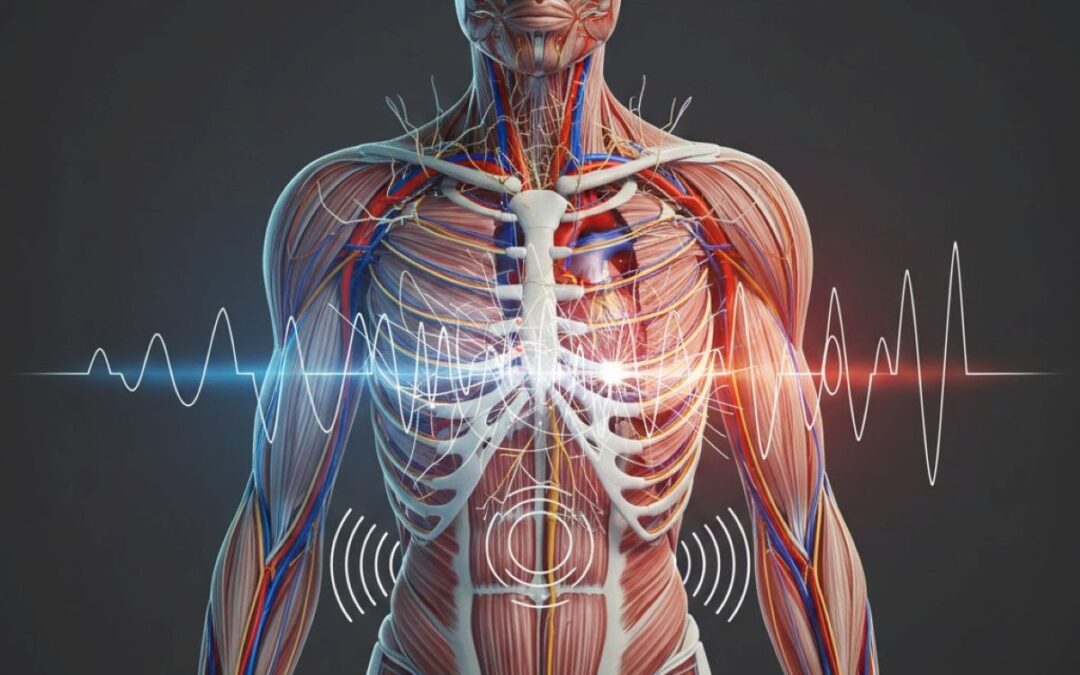
For decades, recovery has been framed as the absence of stress. Rest, relaxation, sleep, and passive modalities have been treated as the antidote to physiological load. While these elements matter, they represent only a fraction of how biological systems actually...
Why Every Business Leader Should be Assessing Their Brain in 2026
As a business leader, we reflect on so much of our performance but not the thing that's driving it: our brains. Yet it's our brain anatomy which is truly individualised and unique to each business owner. Without it, our business cannot run. As a cognitive health...
What is the Metabolic Reset Diet – The Science
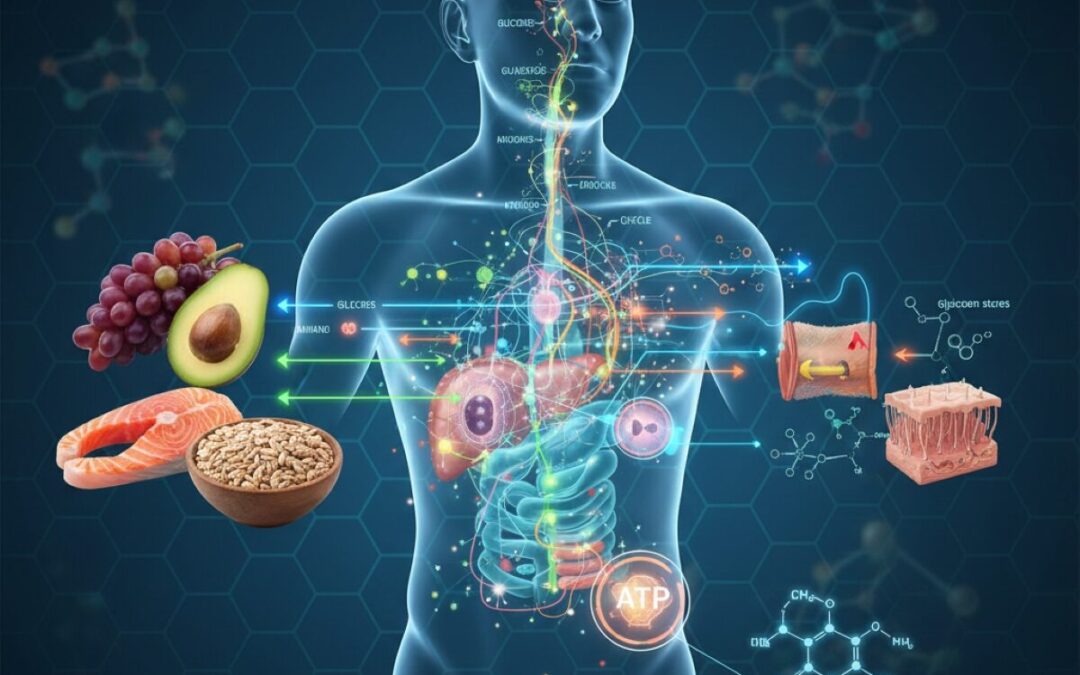
The science, the promise, and the pitfalls The idea of a “metabolic reset” has gained traction across wellness media, social platforms, and weight management programmes. The premise is appealing: that metabolism can be “retrained” or “rebooted” through short-term...
Ergonomic Design Considerations in Health Tech
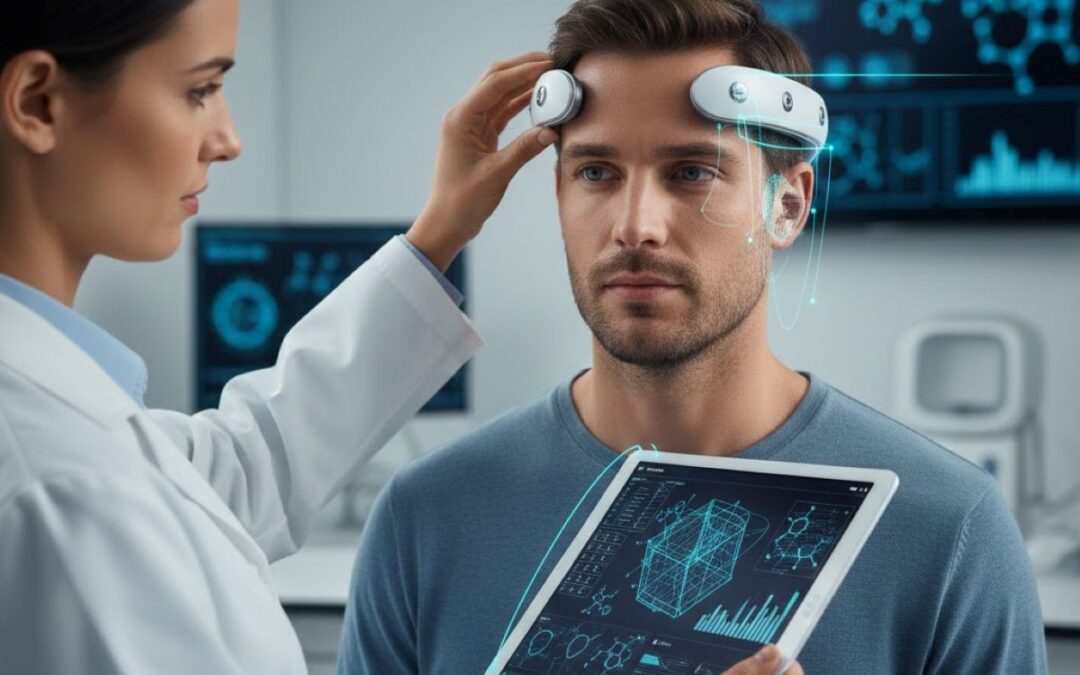
Why comfort and fit are essential design considerations in medical devices In many industries, product design rarely accounts for the variability of user profiles, with a focus on the ‘average’ person. Headphones or even glasses too often do not account for head size...
Five Ways AI Will Reshape Life Sciences in 2026
Why People, Process, and Purpose Matter Most Following a period of experimentation, life sciences is entering a pivotal new phase in AI adoption. The industry is shifting away from hype-driven pilots and toward proven, value-led applications that improve how therapies...
Why Hormone Tracking will be a Key Health Trend for 2026
Hormone health expert and bestselling author Dr Louise Newson explains why we'll all be tracking our hormones in 2026. The use of period tracking apps and menopause symptom tracker apps are at an all-time high. And it’s no wonder. These apps can be incredibly useful...
OpenAI Accelerates Healthcare Strategy With ChatGPT Health
OpenAI is making its most coordinated move into healthcare to date, positioning ChatGPT Health as a central interface for clinical, research, and operational use across the medical ecosystem. Rather than launching a single consumer-facing medical product, the company...
Prostate Cancer Screening: What You Need to Know
Prostate cancer is one of the most common cancers affecting men worldwide. Across the UK, Europe and the United States, it remains a leading cause of cancer diagnosis in men and a significant contributor to cancer related mortality. Despite its prevalence, prostate...
Mapping a Single Neuron
This visualization from the Lichtman Lab and Google Connectomics captures one of the most detailed looks we’ve ever had at a single cortical neuron. What you’re seeing isn’t an artist’s rendering — it’s a true 3D reconstruction built from electron microscopy, stitched...
Metabolic Myths That Hold you Back
In the age of endless diet tips and health hacks, metabolic health has become one of the most misunderstood topics. People try hard… they cut calories, walk more, sleep less, snack less… yet nothing changes. The problem isn’t effort. It’s misinformation. Metabolic...
The Science Behind Sleep, Exercise and Hydration Targets
For decades, public health messaging has revolved around simple numerical targets. Get eight hours of sleep. Exercise for 150 minutes a week. Drink eight glasses of water a day. These guidelines are easy to remember and widely promoted, but they also raise an...
Must-Track Biomarkers
The Numbers That Reveal Your Metabolic Health Today… and Your Risk Tomorrow Most people rely on weight or BMI to judge their health… yet neither tells you how your metabolism is actually working. True metabolic health comes from understanding what’s happening inside...