In cardiology and diabetes, we no longer rely on single, in-clinic readings to diagnose complex conditions; instead, remote monitors are used to capture data over a period of time. We’ve seen that the standard of care across medicine is shifting from episodic...
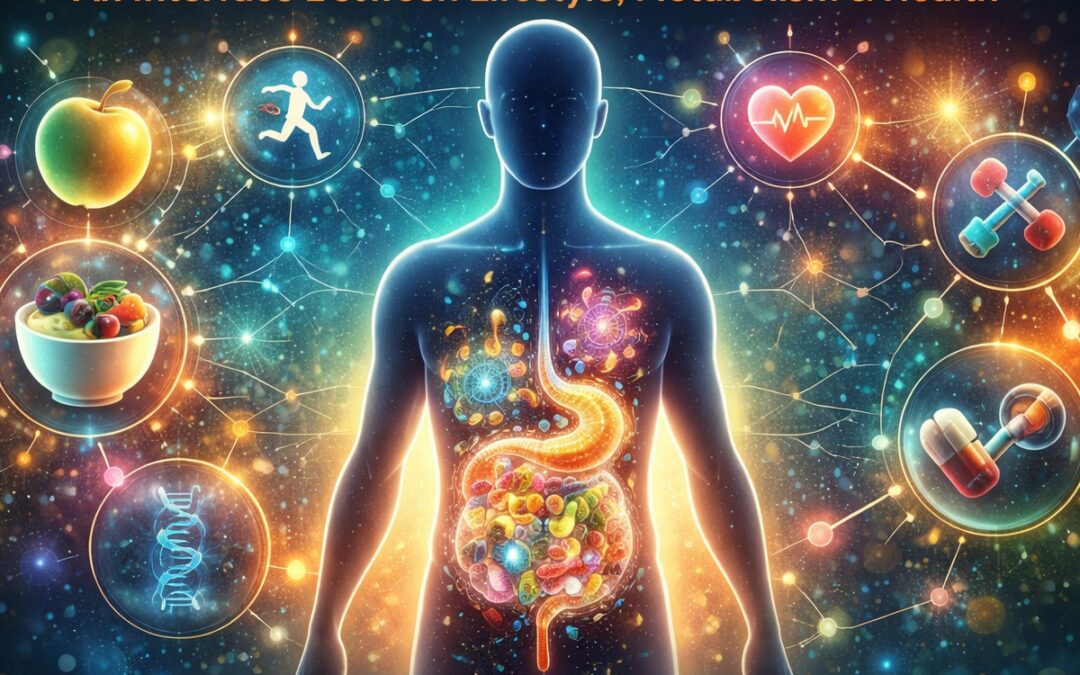
The Microbiome: The Missing Layer in Modern Metabolic Care
Over the last decade, obesity management has undergone a structural transformation. What was once a field dominated almost exclusively by bariatric surgery has evolved into a far more nuanced metabolic discipline. The rise of GLP-1 receptor agonists and dual incretin...
Rethinking the Male Factor in IVF: Why New Sperm Technologies Matter
For much of the history of in-vitro fertilisation (IVF), technological advances have focused overwhelmingly on the egg and the embryo. Advances in ovarian stimulation protocols, time-lapse embryo imaging, genetic testing and cryopreservation have dramatically improved...
Why Amazing Medical Technologies Fail (And How to Ensure Yours Doesn’t)
Have you considered what it means to have an FDA-approved, life-changing, medical product? It’s nothing short of amazing! However, let me add on to that question, have you considered what it means to have an FDA-approved, life changing, medical product WITHOUT a...
The Microbiome, as a Performance Regulator: Gut Integrity Under Physiological Load
In high-performance populations — elite athletes, tactical operators, founders, executives under sustained cognitive load — resilience is typically framed in terms of cardiovascular output, muscular strength, mitochondrial density or hormonal optimisation. Yet one of...
Why Health Platforms Built for Millennials Will Fail Gen Alpha
The first smartphone-native generation expects fundamentally different things from digital health and retrofitting won't work Gen Alpha (born roughly between 2010 and 2024) is the first generation to grow up entirely in a world where smartphones, AI assistants, and...
Re:Cognition Health & Cera to Expand Access to Alzheimer’s Trials
Re:Cognition Health, a global leader in brain and memory health research, and Cera, Europe’s largest digital-first home healthcare provider, today announce a new collaboration designed to expand access to Alzheimer’s and neurodegenerative clinical trials and support...
Biomanufacturing is the Next Industrial Revolution
Across the life sciences sector, a profound shift is underway. Biomanufacturing is poised to become a foundational pillar of how we will make things in the 21st century. Advances in bioreactor design, synthetic biology, and sustainable bioprocessing are enabling...
Emotion-Aware Companion Robotics: Rethinking Aged Care
Ageing at home is widely accepted as the ideal outcome for older adults, families and healthcare systems, but the way we attempt to support it is deeply flawed. Most technologies deployed into homes today are built on a reactive model of care - where they wait for...
Food Allergy Risk is Rising Faster Than Our Systems Can Respond
Why Life Sciences and Health Tech Must Rethink Prevention Food allergies represent a growing and under addressed challenge within public health and preventative medicine. While prevalence and severity continue to rise, the systems designed to protect individuals have...
Why Collagen Has Become the Cornerstone of Modern Aesthetics
Beauty is no longer driven by illusion. The era of exaggerated results and quick fixes is giving way to a more intelligent, informed approach, one that prioritises biology over bravado. At the heart of this shift sits collagen, a once-overlooked structural protein now...
Our Reliance on Antidepressants: What the Numbers Are Telling Us
Antidepressant use has become a defining feature of modern mental healthcare. In the UK alone, an estimated 8.7 million people are currently taking antidepressant medications, reflecting both the scale of mental health need and the central role pharmacological...
Recovery as Signal Engineering: How Stress Upgrades Human Physiology
For decades, recovery has been framed as the absence of stress. Rest, relaxation, sleep, and passive modalities have been treated as the antidote to physiological load. While these elements matter, they represent only a fraction of how biological systems actually...
Why Every Business Leader Should be Assessing Their Brain in 2026
As a business leader, we reflect on so much of our performance but not the thing that's driving it: our brains. Yet it's our brain anatomy which is truly individualised and unique to each business owner. Without it, our business cannot run. As a cognitive health...
What is the Metabolic Reset Diet – The Science
The science, the promise, and the pitfalls The idea of a “metabolic reset” has gained traction across wellness media, social platforms, and weight management programmes. The premise is appealing: that metabolism can be “retrained” or “rebooted” through short-term...
Ergonomic Design Considerations in Health Tech
Why comfort and fit are essential design considerations in medical devices In many industries, product design rarely accounts for the variability of user profiles, with a focus on the ‘average’ person. Headphones or even glasses too often do not account for head size...
Five Ways AI Will Reshape Life Sciences in 2026
Why People, Process, and Purpose Matter Most Following a period of experimentation, life sciences is entering a pivotal new phase in AI adoption. The industry is shifting away from hype-driven pilots and toward proven, value-led applications that improve how therapies...
Why Hormone Tracking will be a Key Health Trend for 2026
Hormone health expert and bestselling author Dr Louise Newson explains why we'll all be tracking our hormones in 2026. The use of period tracking apps and menopause symptom tracker apps are at an all-time high. And it’s no wonder. These apps can be incredibly useful...