Inside the Science: New White Paper Explores the Injection Set to Redefine the Treatment of Knee Osteoarthritis & Unlock Access to Non-Surgical Options for Patients on the NHS A new white paper entitled “Inside the Science: A Major Step Forward for Knee...
How Can At-Home Diagnostics and AI-Enabled Detection Drive Better Health?
The UK government’s 10 Year Health Plan sets a bold ambition for the NHS, shifting from analogue to digital, from hospital to community, and from cure to prevention. For the life sciences sector, this aligns closely with long standing priorities around earlier...
The Human Microbiome: An Interface Between Lifestyle, Metabolism & Health
For much of modern medicine, microorganisms have been largely viewed through a narrow lens, as agents of infection to be identified and then eliminated. This perspective, whilst undeniably important, captures only part of the story. Over the past two decades, advances...
The Gut Microbiome and the Future of Human Health
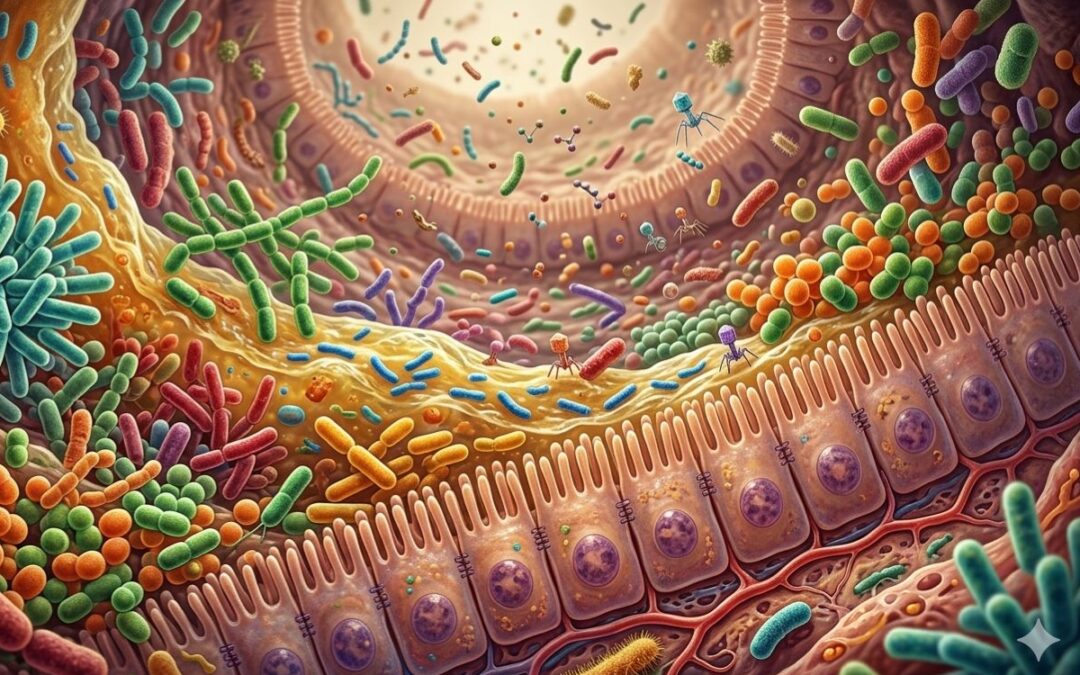
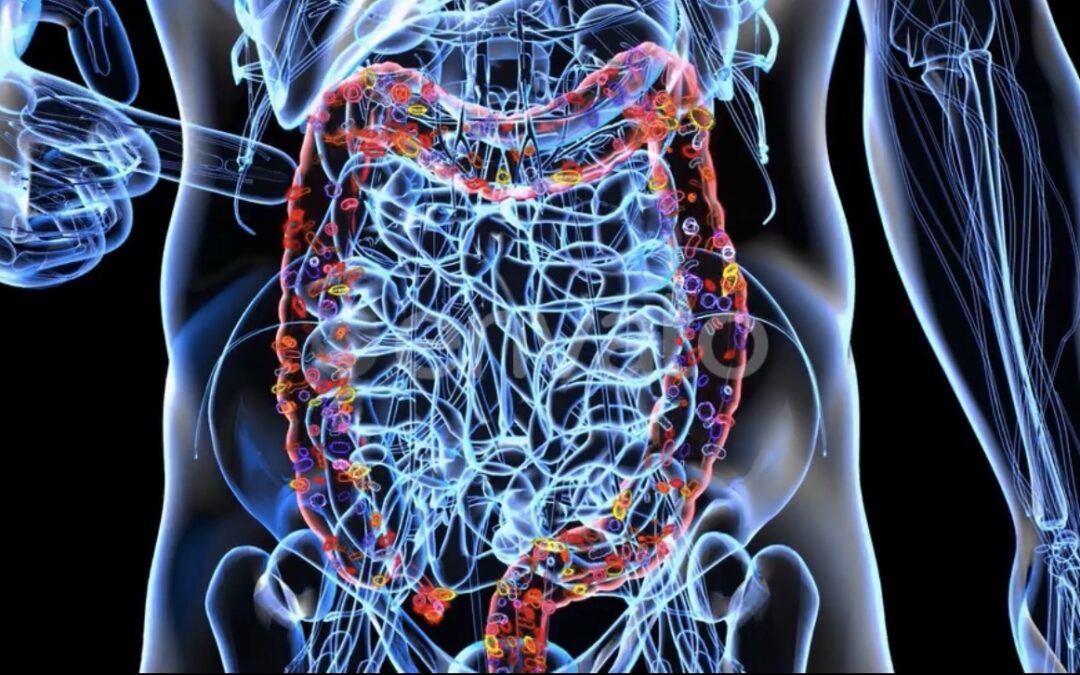
The gut microbiome has moved from a niche area of research to one of the most important frontiers in modern medicine. Once associated mainly with digestion, it is now understood to be a complex, organ-like system that influences immunity, metabolism and even brain...
Beyond the Tumour: Can Radiotherapy Boost the Immune System?
Emerging research from a team of oncologists in Prague suggests that radiotherapy — long understood as a tool for destroying cancer cells — may also play a powerful role in activating the body's own immune defences. The implications for how we sequence and combine...
Closing the Interventional Gap
The National Health Service (NHS) is investing heavily in diagnostics. Through Getting it Right First Time (GIRFT) and the rollout of Community Diagnostic Centres (CDCs), millions of patients are getting scans more quickly than ever[1]. The NHS 10 Year Plan has now...
RCM Efficiency: Solving Insurance Denials & Margin Pressure
Insurance Denials and Revenue Cycle Inefficiencies Are Becoming a Primary Driver of Hospital Financial Strain U.S. hospitals are entering the next fiscal cycle under sustained financial pressure, and insurance denials have emerged as one of the most consequential, yet...
Chronic Pain and Neuroplastic Pain: Rethinking How Pain is Created
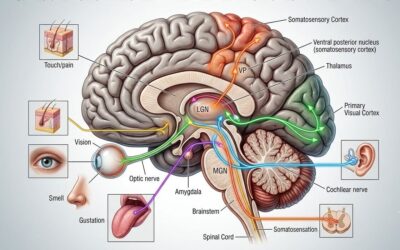
Chronic pain affects hundreds of millions of people worldwide and remains one of the most challenging problems in modern medicine. For decades, pain has largely been understood as a direct signal of tissue damage or disease. However, advances in pain science are...
Neuroscience of Trauma, Stress & Alcohol: Integrated Treatment
Alcohol problems are often framed as a failure of willpower or “poor lifestyle choices”. Yet clinical neuroscience has made that narrative increasingly untenable. Problematic alcohol use is often a learned response to stress, a learned neurobiological adaptation,...
AI in Life Science Marketing: What’s Actually Working Beyond the Hype
Life science marketing teams are drowning in complexity. Regulatory compliance demands are tightening, scientific accuracy is non-negotiable, and sales cycles stretch 18-24 months or longer. Meanwhile, CMOs face relentless pressure to prove ROI faster while managing...
The Blind Men and the Elephant: A Parable for Modern Pain Management
Most of us have heard the ancient Indian and Buddhist parable “the blind men and the elephant.” Regardless of source, the parable usually contains these elements: A ruler assembles several blind men and brings an elephant before them. One feels the head and says the...
Innovate UK Awards Over £300k SMART Grant
Funding supports the co-design and roll-out of MEMORI, a Class IIb CE-certified SaMD platform, tailored to local clinical teams and systems MEMORI analyses multimodal clinical data in real-time to accurately predict the risk of hospital-acquired infections, alerting...
Re:Cognition Health & Cera to Expand Access to Alzheimer’s Trials
Re:Cognition Health, a global leader in brain and memory health research, and Cera, Europe’s largest digital-first home healthcare provider, today announce a new collaboration designed to expand access to Alzheimer’s and neurodegenerative clinical trials and support...
Biomanufacturing is the Next Industrial Revolution
Across the life sciences sector, a profound shift is underway. Biomanufacturing is poised to become a foundational pillar of how we will make things in the 21st century. Advances in bioreactor design, synthetic biology, and sustainable bioprocessing are enabling...
Emotion-Aware Companion Robotics: Rethinking Aged Care
Ageing at home is widely accepted as the ideal outcome for older adults, families and healthcare systems, but the way we attempt to support it is deeply flawed. Most technologies deployed into homes today are built on a reactive model of care - where they wait for...
Food Allergy Risk is Rising Faster Than Our Systems Can Respond
Why Life Sciences and Health Tech Must Rethink Prevention Food allergies represent a growing and under addressed challenge within public health and preventative medicine. While prevalence and severity continue to rise, the systems designed to protect individuals have...
Why Collagen Has Become the Cornerstone of Modern Aesthetics
Beauty is no longer driven by illusion. The era of exaggerated results and quick fixes is giving way to a more intelligent, informed approach, one that prioritises biology over bravado. At the heart of this shift sits collagen, a once-overlooked structural protein now...
Our Reliance on Antidepressants: What the Numbers Are Telling Us
Antidepressant use has become a defining feature of modern mental healthcare. In the UK alone, an estimated 8.7 million people are currently taking antidepressant medications, reflecting both the scale of mental health need and the central role pharmacological...