
In the first half of 2026, China’s innovative drug licensing deals reached $106.3bn, according to VBInsight data published by VCBeat. That total covers inbound and outbound deals. That compares with $135.7bn for the whole of 2025 on the same provider’s count. This tracker lists China out-licensing deals worth $1bn or more in headline value. Each row gives the buyer, the asset, the upfront and the total.
Deals announced to 28 September 2026 | Deals tracked: 27
China out-licensing deals set new records again in 2026. VCBeat’s first-half analysis of VBInsight data counted 85 outbound licensing deals, with a disclosed value of $100.4bn. NMPA data cited by Nomura put the same period at a record 81 deals worth $110bn. The three largest deals here involve CSPC and AstraZeneca, Hengrui and Bristol Myers Squibb, and Innovent and Pfizer. Together they carry a potential value of more than $44bn. LSDN has examined why Western pharma is sourcing from China in a separate analysis.
China out-licensing deals in 2026 at a glance
- Outbound licensing value, first half of 2026: $100.4bn across 85 deals (VBInsight)
- Upfront payments as a share of first-half licensing value: 5.8% (VBInsight)
- Largest deal by headline value: CSPC and AstraZeneca, up to $18.5bn
- Largest upfront in the tracker: $1.2bn, AstraZeneca to CSPC
- Most active buyer: Eli Lilly, with four deals
Different trackers count differently. PharmCube, VBInsight and China’s National Medical Products Administration (NMPA) each publish their own totals. Scope, deal structure and timing rules vary between them. For 2025, PharmCube’s NextPharma database recorded $135.7bn across 157 cross-border out-licensing deals, Caixin reported. Reuters, also citing PharmCube, reported 186 deals worth $137.7bn. LSDN names the provider every time and does not mix series in one comparison.
The tracker: every $1bn+ China out-licensing deal in 2026
Total potential value means the upfront plus all disclosed milestones. It is a ceiling, not money received, and royalties are excluded. Where a release gave milestones only, LSDN added the disclosed upfront. Dates are announcement dates. Companies marked * are explained in the methodology.
| Date | Chinese licensor | Buyer | Asset and modality | Therapeutic area | Stage at signing | Upfront | Total potential value | Source |
| 12 Jan | RemeGen | AbbVie | RC148, PD-1/VEGF bispecific antibody | Oncology (solid tumours) | Early clinical (Phase 1b China) | $650m | c. $5.6bn ($650m + up to $4.95bn) | PR Newswire |
| 30 Jan | CSPC Pharmaceutical | AstraZeneca | Eight long-acting peptide programmes incl. SYH2082 (GLP-1R/GIPR), plus AI design and LiquidGel platform access | Obesity, type 2 diabetes | Phase 1-ready and preclinical | $1.2bn | Up to $18.5bn incl. sales milestones (per CSPC filing) | AstraZeneca |
| 2 Feb | SanegeneBio | Genentech (Roche) | Undisclosed RNAi programme | Autoimmune kidney disease, obesity, cardiometabolic | Not disclosed | $200m | c. $1.7bn ($200m + up to $1.5bn) | PR Newswire |
| 8 Feb | Innovent Biologics | Eli Lilly | Antibody-based programmes; Innovent leads to Phase 2 in China | Oncology, immunology | Discovery | $350m | c. $8.85bn ($350m + up to c. $8.5bn) | PR Newswire |
| 11 Feb | Suzhou Ribo Life Science and Ribocure | Madrigal | Six siRNA programmes | MASH | Preclinical | $60m | c. $4.46bn ($60m + up to $4.4bn) | PR Newswire |
| 13 Feb | Genhouse Bio | Gilead | GH31, MAT2A inhibitor | Oncology | IND-cleared (China, US) | $80m | c. $1.53bn ($80m + up to $1.45bn) | Fierce Biotech |
| 24 Feb | Harbour BioMed | Solstice Oncology | Porustobart (HBM4003), anti-CTLA-4 heavy-chain antibody | Oncology | Phase 2 | $105m incl. $50m equity | c. $1.2bn ($105m + up to c. $1.1bn) | BioSpace |
| 3 Mar | Antengene | UCB | ATG-201, CD19/CD3 T-cell engager | B-cell autoimmune disease | Pre-IND | $60m (up to $80m incl. near-term) | c. $1.18bn (up to $80m + over $1.1bn) | PR Newswire |
| 4 Mar | Sino Biopharm (Chia Tai Tianqing) | Sanofi | Rovadicitinib, oral JAK/ROCK inhibitor | Myelofibrosis, chronic GVHD | Approved in China (myelofibrosis) | $135m | Up to $1.53bn | SBP Group |
| 29 Mar | Insilico Medicine* | Eli Lilly | Preclinical oral therapeutics portfolio plus joint R&D | Multiple (fibrosis, oncology, immunology, pain, metabolic) | Preclinical | $115m | c. $2.75bn | PR Newswire |
| 6 May | SiranBio | GSK | SA030, ALK7-targeting siRNA | Cardiometabolic | Phase 1 | Undisclosed | Over $1bn (undisclosed upfront + up to $1.005bn) | Contract Pharma |
| 12 May | Jiangsu Hengrui | Bristol Myers Squibb | Four Hengrui oncology and haematology assets out, four BMS immunology assets in, five joint discovery programmes | Oncology, haematology, immunology | Early stage | $600m (up to $950m incl. anniversary payments) | Up to c. $15.2bn | PR Newswire |
| 28 May | Innovent Biologics | Pfizer | 12 programmes: novel-payload ADCs and multispecific antibodies | Oncology | Early stage and discovery | $650m | c. $10.5bn ($650m + up to $9.85bn) | Pfizer |
| 1 Jun | Haisco Pharmaceutical | Eli Lilly | Up to five small-molecule and biologic programmes | Multiple | Discovery | Up to $87m incl. near-term | c. $3.05bn (up to $87m + up to $2.967bn) | PR Newswire |
| 22 Jun | Insilico Medicine* | SK Biopharmaceuticals | AI-discovered small molecules and new modalities | CNS neuroimmune disorders | Discovery | Up to $18m incl. near-term | More than $2.5bn | PR Newswire |
| 30 Jun | METiS TechBio* | Boulevard Bio | MTS-128, trispecific T-cell engager | Not disclosed | Not disclosed | $20m | c. $1.62bn ($20m + up to $1.6bn) | PR Newswire |
| 2 Jul | CSPC Pharmaceutical | AstraZeneca | siRNA programmes against two renal targets | Kidney disease | Preclinical | $30m | Up to c. $1.77bn | CSPC HKEX filing |
| 14 Jul | Dizal Pharmaceutical | AstraZeneca | Zegfrovy (sunvozertinib), oral EGFR inhibitor | EGFR exon 20 NSCLC | Approved (US accelerated; China) | $600m | Up to $1.5bn | AstraZeneca |
| 14 Jul | Hansoh Pharmaceutical | Avere Therapeutics | HS-20118 (AVR-001), oral cyclic peptide IL-23R antagonist | Psoriasis | Phase 1b | $120m | c. $2.3bn ($120m + up to $2.18bn) | Hansoh |
| 14 Jul | Innovent Biologics | Spero Therapeutics | IBI355 (SP001), anti-CD40L antibody | IgG4-related disease, Sjögren’s disease | Phase 2-ready | Undisclosed | c. $1.1bn | PR Newswire |
| 3 Aug | Alphamab Oncology | Pathos AI | JSKN016, TROP2/HER3 bispecific ADC | Breast and lung cancer | Phase 3 (China) | $125m | c. $2.22bn ($125m + up to $2.093bn) | Business Wire |
| 25 Aug | Haisco Pharmaceutical | Sentivera | Small molecule for type 2 inflammation | Inflammatory disease | Preclinical | $75.89m incl. equity | Over $1.5bn | PR Newswire |
| 28 Aug | DualityBio | Genentech (Roche) | ADCs on the DUPAC novel-payload platform | Oncology | Discovery | $45m | Over $1.045bn ($45m + more than $1bn) | PR Newswire |
| 1 Sep | Simcere Zaiming | Roche | SIM0660, CD79a/CD19/CD3 trispecific T-cell engager | B-cell-mediated diseases | Early clinical (per Roche) | $75m | Up to $1.53bn | PR Newswire |
| 3 Sep | HUTCHMED | GSK | HMPL-A830, KRAS-EGFR antibody-targeted therapy conjugate | Oncology | Preclinical | $110m | c. $1.3bn ($110m + up to $1.185bn) | GlobeNewswire |
| 24 Sep | InnoCare Pharma | Eli Lilly | Research collaboration on up to five undisclosed targets | Oncology, autoimmune disease | Discovery | Up to $100m incl. near-term | c. $3.35bn (up to $100m + up to c. $3.25bn) | GlobeNewswire |
| 28 Sep | SciBrunch Therapeutics | Merck & Co. | SPR2015, oral KRAS G12D (ON) inhibitor | Oncology | Preclinical | $400m | Up to $2.13bn | Business Wire |
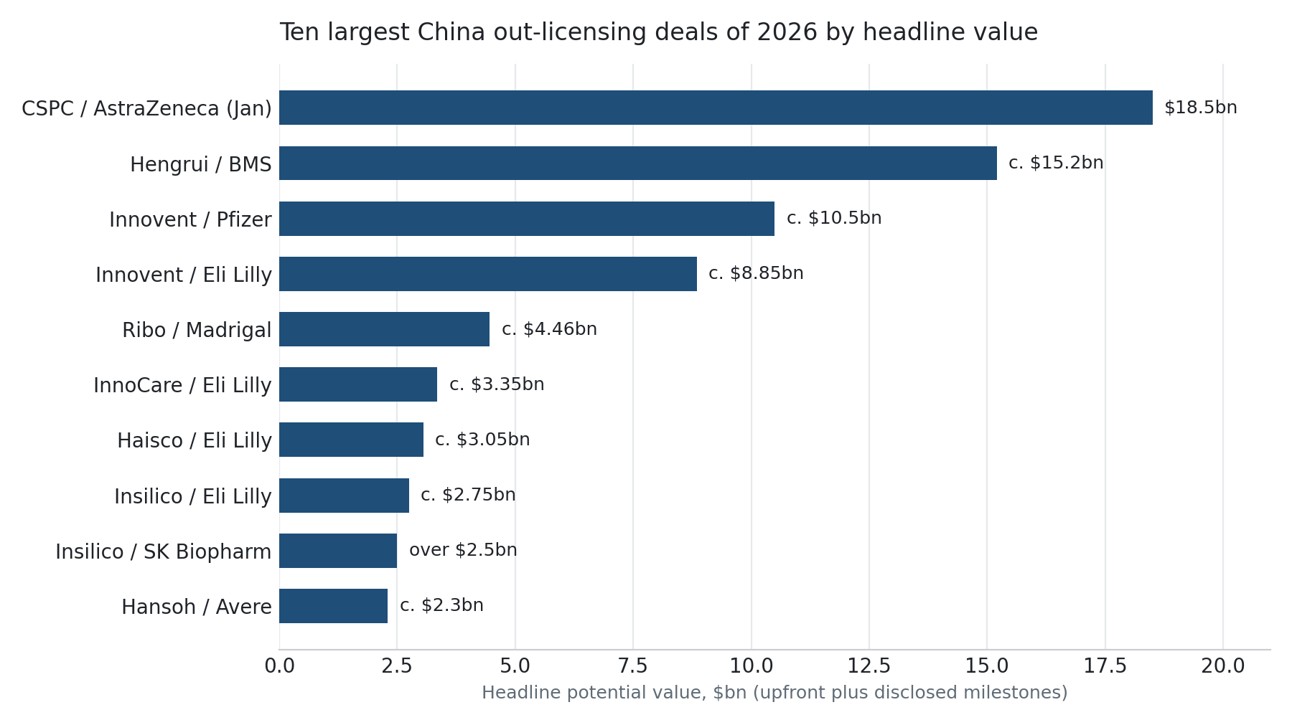
Figure 1. Ten largest deals by headline value. Source: company releases; LSDN analysis.
The three mega-deals that defined the year
CSPC and AstraZeneca: up to $18.5bn for long-acting peptides
AstraZeneca agreed in January to pay CSPC $1.2bn up front. The deal covers eight programmes for obesity and type 2 diabetes. The named assets include SYH2082, a long-acting GLP-1R/GIPR agonist. AstraZeneca’s release set development and regulatory milestones at up to $3.5bn. Trade press citing CSPC’s filing put the total, including sales milestones, at up to $18.5bn. CSPC keeps rights in China, Taiwan, Hong Kong and Macau.
Sharon Barr is Executive Vice President and Head of BioPharmaceuticals R&D at AstraZeneca. She said the deal “advances our weight management portfolio by delivering novel assets which complement our existing programmes.” AstraZeneca returned in July for a second CSPC deal, this time in kidney disease. LSDN follows the wider field in its obesity drug news tracker.
Hengrui and Bristol Myers Squibb: up to $15.2bn, with assets flowing both ways
The May agreement covers 13 early-stage programmes. BMS gains rights outside Hengrui’s territory to four Hengrui oncology and haematology assets. In return, Hengrui gains rights to four BMS immunology assets in mainland China, Hong Kong and Macau. Five further programmes will come from joint discovery. BMS will pay up to $950m, including $600m up front and two $175m anniversary payments. The second anniversary payment is contingent. Hengrui will be fully responsible for early clinical development to speed proof of concept.
Innovent and Pfizer: about $10.5bn across 12 oncology programmes
Pfizer paid $650m up front for 12 early oncology programmes, with up to $9.85bn in milestones. Eight come from Innovent’s pipeline and four are discovery projects proposed by Pfizer. The modalities are antibody-drug conjugates with novel payloads and multispecific antibodies. Four programmes will be co-developed, with profit sharing in the US and Europe. Pfizer’s second-quarter results confirmed that the transaction closed on 10 July.
Quarter by quarter: how the deal flow evolved
First quarter: obesity, RNA and bispecifics
The first quarter produced ten China out-licensing deals above $1bn. RemeGen opened the year by licensing RC148, a PD-1/VEGF bispecific antibody, to AbbVie. CSPC’s peptide deal followed, alongside RNA agreements from SanegeneBio and Ribo. Innovent signed its seventh collaboration with Eli Lilly. Sino Biopharm licensed rovadicitinib to Sanofi, a drug already approved in China for myelofibrosis. Insilico Medicine closed the quarter with Lilly. The South China Morning Post, citing NMPA data, reported $60bn of cross-border out-licensing, up 73% year on year.
Second quarter: platform bundles
Hengrui and BMS, and Innovent and Pfizer, each bundled a dozen or more programmes. Lilly added Haisco for up to five discovery programmes. Insilico signed a second deal, with South Korea’s SK Biopharmaceuticals. SiranBio licensed SA030 to GSK, and METiS TechBio licensed MTS-128 to Boulevard Bio. VBInsight found that four of the top five first-half deals were multi-asset or platform collaborations.
Third quarter to date: approved drugs and discovery pacts
AstraZeneca returned to CSPC on 2 July for siRNA kidney programmes. On 14 July, three China out-licensing deals landed on the same day. AstraZeneca licensed Dizal’s approved lung cancer drug, Zegfrovy. Hansoh licensed an oral IL-23 receptor antagonist to Avere Therapeutics, which has agreed to merge with NextCure. Innovent licensed IBI355 to Spero Therapeutics. August brought Alphamab, a second Haisco deal and DualityBio. September has so far added Simcere Zaiming, HUTCHMED, InnoCare and SciBrunch Therapeutics. Merck & Co. paid SciBrunch $400m up front for SPR2015, a preclinical oral KRAS G12D inhibitor.
Who is buying: Lilly leads the repeat customers
Eli Lilly leads, with four China out-licensing deals worth $1bn or more this year. All four are research or discovery collaborations rather than purchases of late-stage drugs. AstraZeneca follows with three deals, two with CSPC and one with Dizal. It also made the largest upfront commitment of the year, $1.2bn to CSPC.
The Roche group also has three deals. Genentech signed with SanegeneBio and DualityBio, while Roche signed with Simcere Zaiming. GSK has two. Merck & Co. joined the list on 28 September with SciBrunch. On the seller side, Innovent leads with three deals worth about $20.5bn in combined headline value. CSPC, Haisco and Insilico each have two.
Headline value versus cash on the table
A $15bn headline is a ceiling, not a cheque. VBInsight found that upfront payments made up 5.8% of disclosed licensing value in the first half of 2026. That was up from 5.2% for the full year 2025. Absolute upfronts are also rising. Evaluate data reported by Fierce Biotech showed the average upfront on Chinese biotech licensing deals rose 230%. It climbed from $52m in 2022 to $172m in early 2026.
Across China out-licensing deals, the spread is wide. Dizal’s approved drug earned 40% of its headline value up front. SciBrunch’s preclinical KRAS inhibitor earned 18.8%, well above the 5.8% first-half average. RemeGen’s early clinical bispecific earned 11.6%. Hengrui’s upfront was 3.9% of the total, and InnoCare’s up to 3.0%. Ribo’s preclinical siRNA deal paid 1.3%, and METiS 1.2%. The remainder depends on development, regulatory and sales milestones. Many early programmes will never reach them.
Modalities and therapeutic areas
Antibodies and T-cell engagers account for seven of the 27 deals. Small molecules account for five. Antibody-drug conjugates and other conjugates account for four, as does siRNA. Oncology is named in 14 of the 27 deals, the largest single area. Even so, the 2026 list of China out-licensing deals reaches well beyond cancer. It includes obesity peptides, MASH and kidney siRNA, oral IL-23 blockade for psoriasis and autoimmune T-cell engagers.
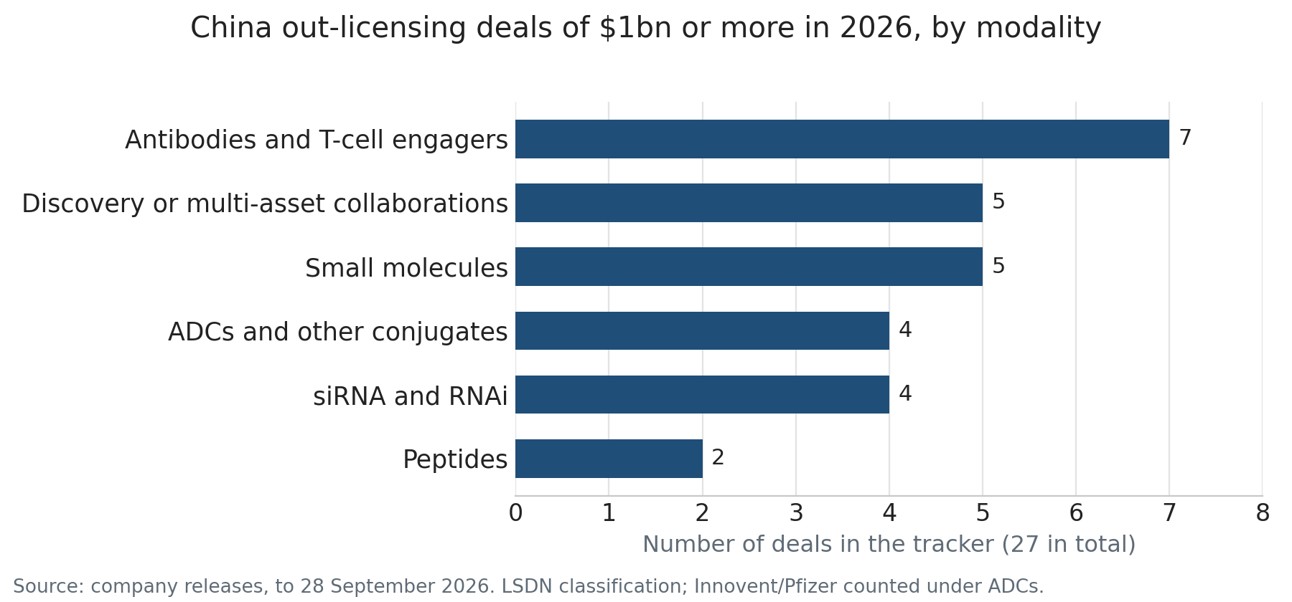
Figure 2. Deals by modality. Source: company releases; LSDN classification.
The policy backdrop: what Washington does next
On 18 September, Reuters reported that the US is drafting rules on pharmaceutical investment in China. According to its sources, the rules would likely preserve most licensing deals for Chinese drugs. Deals related to pathogens or biotechnology that could be weaponised would be excluded. The sources said the rules had not been finalised and could change. Treasury and White House officials declined to comment.
Hong Kong-listed biopharma shares rose on 21 September, CNBC reported. Innovent gained 6%, Akeso 8%, CSPC about 6% and Sino Biopharm 8%. The rules would implement the COINS Act, enacted in December 2025. MassBio reported on 24 September that Treasury had a September release on its regulatory agenda.
Congress is weighing tighter options. The Biotech Investment National Security Act (BINSA) would amend the COINS Act to include biotechnology. US licensing deals, joint ventures and equity investments with Chinese entities would then face Treasury review. Representatives John Moolenaar and Debbie Dingell introduced it in June. Senators Elissa Slotkin and Pete Ricketts followed in August. Separately, an April House Appropriations Committee report proposed barring FDA from considering clinical data from sites in China. That report language is not binding.
Industry voices are split. Pfizer chief executive Albert Bourla spoke to Reuters. “I don’t think that that’s the way to compete with China, to try to slow them down,” he said. Ginkgo Bioworks chief executive Jason Kelly has met Treasury officials to argue the opposite case. “Are we okay with a strategic dependence on China for innovative drugs? Because that’s what we are currently doing with this offshoring,” he said.
How we build this China out-licensing tracker
We include a deal when a company headquartered in mainland China or Hong Kong grants rights outside Greater China. The disclosed headline value, upfront plus milestones, must be $1bn or more. Equity consideration does not count towards the threshold. We exclude acquisitions, in-licensing into China, deals between Chinese companies, generics and biosimilars. Figures come from company releases or exchange filings wherever possible.
Insilico Medicine is listed in Hong Kong but dates its releases from Cambridge, Massachusetts. METiS TechBio is listed in Hong Kong and describes itself as based in Hong Kong and New York. We include both.
We excluded VectorBuilder’s January deal with Ikarovec because it is an option agreement rather than a licence. Huahui Health’s option deal with BeOne Medicines is also left out, because BeOne, formerly BeiGene, retains large operations in China. Haisco’s January deal with AirNexis falls below $1bn once equity is removed. Genentech’s September deal with Earendil Labs, worth over $1.5bn, is also left out. Earendil dates its releases from Wilmington, Delaware, and does not describe itself as based in China. Near misses include Insilico and Servier, at up to $888m, and Chimagen and GSK, at up to $750m.
Frequently asked questions
What are China out-licensing deals?
China out-licensing deals are agreements in which a Chinese drug developer licenses a drug, candidate or platform abroad. The buyer usually pays an upfront fee, then milestones and royalties. The Chinese company typically keeps rights in mainland China, and often in Hong Kong, Macau and Taiwan.
What was the largest China out-licensing deal of 2026?
By headline value, the largest is AstraZeneca’s January deal with CSPC Pharmaceutical, worth up to $18.5bn including sales milestones. AstraZeneca paid $1.2bn up front for eight programmes in obesity and type 2 diabetes. Hengrui and Bristol Myers Squibb follow at up to about $15.2bn.
How much of a licensing deal’s headline value is paid up front?
Usually a small share. VBInsight found upfront payments made up 5.8% of disclosed Chinese licensing value in the first half of 2026. In this tracker, shares range from 40% for Dizal’s approved lung cancer drug to about 1% for early deals. Milestones are contingent and may never be paid.
How much were China out-licensing deals worth in 2025?
PharmCube’s NextPharma database recorded $135.7bn across 157 cross-border out-licensing deals in 2025, according to Caixin. That compares with $51.9bn across 94 deals in 2024. Reuters, also citing PharmCube, reported 186 deals worth $137.7bn. Totals vary by provider and methodology.
Will US rules restrict licensing deals with Chinese biotechs?
Not yet. Reuters reported on 18 September that draft Treasury rules would likely allow most licensing deals. Pathogen-related or weaponisable biotechnology would be excluded. The rules are unpublished and could change. Separately, the proposed BINSA legislation would put such deals under Treasury review. It has been introduced in both chambers but not enacted.
Update log
29 September 2026: Tracker launched with 27 deals announced between 12 January and 28 September 2026.