Healthcare has undergone a remarkable digital transformation over the past two decades. Electronic health records, electronic prescribing, patient portals, telemedicine, artificial intelligence, and remote monitoring have fundamentally changed how healthcare is delivered. Hospitals and physician practices have invested billions of dollars in technology to improve efficiency, safety, and clinical outcomes.
Yet despite these advances, one of healthcare’s greatest challenges remains largely unresolved: most healthcare happens before, after, and between doctor’s appointments.
The healthcare system has been built around institutions. Patients, however, live in an ecosystem.
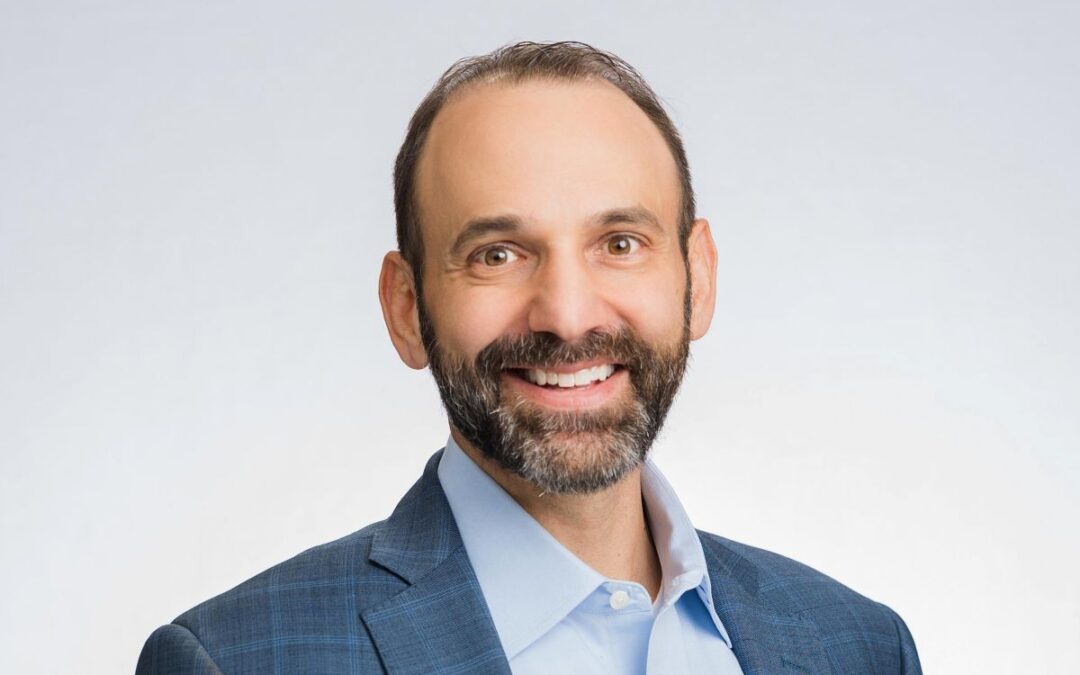
As a former software engineer and Senior Data Architect, I have spent my career solving complex systems integration problems. Today, as the founder of a healthtech company, I approach healthcare through the same systems-thinking lens. More importantly, I write from the perspective of someone with extensive lived patient experience. I’ve had 17 surgeries, seven on my spine alone. I live by myself thousands of miles from my immediate family. Recovery has often required navigating multiple specialists, hospitals, home health agencies, imaging centers, pharmacies, laboratories, insurers, and caregivers while simultaneously trying to heal.
That experience has convinced me that the greatest technology gap in healthcare is not inside our healthcare facilities. It exists outside them.
In information technology, we distinguish between optimizing individual systems and optimizing the system as a whole. Healthcare has become remarkably good at optimizing hospitals, clinics, laboratories, and physician practices independently. It has been far less successful at optimizing the connections between them. As a result, patients often become the integration layer between disconnected organizations.
Today, patients are expected to become project managers of their own healthcare.
They coordinate appointments among multiple providers. Often while in pain or suffering from symptoms that impair their memory, patients are expected to remember medications, dosages and frequency, pharmacies, allergies, surgical histories, family and social histories, provider names and contact information, and diagnoses. No clinician would expect another clinician to remember this volume of information from memory. That is what charts are for. Yet we routinely expect patients to do exactly that.
Patients manually transport records between healthcare systems that often cannot communicate effectively with one another, forcing patients to become the bridge between disconnected organizations. Patients answer the same intake questions, requiring time away from work or family to complete the same form repeatedly, often forgetting critical information. A physician I spoke with recently lamented his inability to see patient information before the appointment. He wanted to see their chief complaint, pain or symptom history, full medical, family and social history, medications, and allergies in enough time before the appointment to fully digest the information and formulate a care plan before the patient arrives. Patient-owned healthcare information sharable ahead of an appointment would do just that.
The pain questionnaire is a “snapshot in time” – only covering the pain experienced by the patient at that moment. It doesn’t cover intermittent pain, or pain related to other symptoms, time of day, specific movements, or what increases or decreases it in any given pain incident.
Patients also reconcile conflicting instructions, coordinate caregivers, arrange transportation, and monitor symptoms that may indicate a developing complication.
In software engineering, we would never expect a customer to manually integrate ten enterprise software systems simply because those systems cannot exchange information effectively. Yet this is precisely what healthcare asks patients to do every day, often while recovering from surgery, managing chronic illness, or caring for an aging loved one.
The patient has become healthcare’s unpaid systems integrator.
My own experience illustrates this challenge. Following one surgery, it took a combination of at least 50 phone calls, text messages, electronic portal messages, and conversations among my physician’s office and home health provider and their network simply to coordinate removal of a surgical drain. Ultimately, I had to order a stitch removal kit for overnight delivery from Amazon because I wasn’t yet permitted to drive, and no local retailer carried one, anyways.
None of these organizations lacked dedicated professionals. The problem was that each operated within its own workflow, while I became the project manager responsible for getting the job done.
Every phone call interrupted the very recovery the healthcare system was trying to support.
These experiences are not isolated. They reflect structural issues that affect millions of patients every day.
Healthcare extends far beyond diagnosis and treatment. It includes medication adherence, symptom monitoring, nutrition, mobility, transportation, caregiver coordination, home safety, mental health, social support, and the countless decisions patients make every day outside clinical settings. Many of these factors intersect with the Social Determinants of Health, while others reflect the broader realities of recovering and managing chronic illness outside traditional healthcare settings, and determine whether the patient develops post operative complications, medication reactions, returns to the emergency department, or requires readmission.
Technology has focused primarily on digitizing healthcare providers. The next generation of innovation should focus on empowering patients while reducing administrative burden for clinicians.
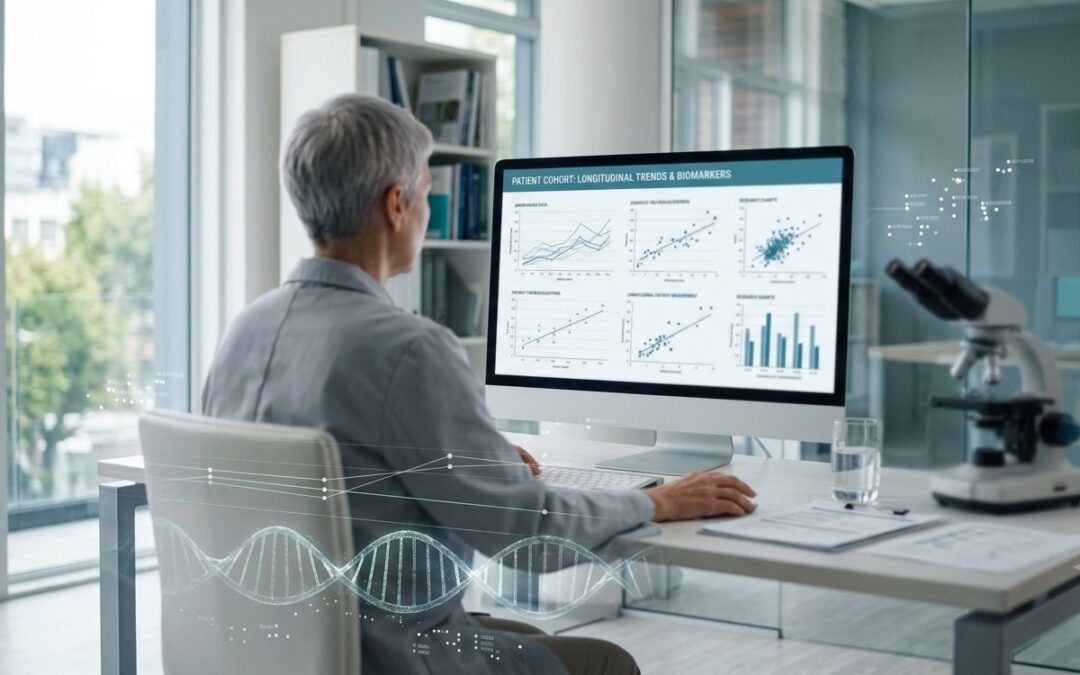
One important step is recognizing that patients should own and maintain a longitudinal health record that follows them throughout their lives. Rather than recreating medical histories at every appointment, patients should be able to securely maintain current medications, allergies, diagnoses, procedures, imaging, laboratory results, symptoms, lifestyle information, advance directives, and caregiver contacts, sharing only the information necessary with whichever healthcare professional is involved in their care.
This approach benefits everyone. Patients gain confidence that their information is accurate and readily available, while losing frustration over not remembering a critical detail. Clinicians receive more complete longitudinal information to support faster, more informed decision-making. Administrative staff spend less time collecting redundant information, allowing more time to focus on patient care. Fewer paper patient intake forms go through the shredder and less staff time is spent processing them. Fewer translation errors, benefiting all involved in the patient care process.
The need becomes even more apparent in rural communities.
Rural communities illustrate why redefining the ecosystem matters. Distance cannot always be eliminated, but isolation can. Secure communication, telehealth, remote monitoring, community resource networks, transportation coordination, caregiver support, and patient-owned health information can help patients receive high-quality care without requiring them to relocate simply to remain close to medical services.
Insurers also have an important role to play in strengthening the healthcare ecosystem. Policies that require patients to make multiple trips for appointments that could reasonably be coordinated increase costs and administrative burden for everyone involved. In my own experience, some health plans have not allowed multiple appointments on the same day, even when seeing a primary care physician and a specialist in the same practice. The result is two trips, two transportation arrangements, additional childcare or elder care needs, more time away from work, and higher out-of-pocket expenses, all while the patient is trying to recover. Likewise, prior authorization requirements can delay care unnecessarily. On one occasion, I was referred by one physician to another specialist in the same practice who had an appointment available that very afternoon. Because insurance approval had not yet been obtained, I could not be seen, requiring a second trip on another day. Since a physical examination was necessary, telehealth was not an option. Better coordination among providers and insurers could reduce unnecessary delays, improve patient convenience, and lower costs for both patients and the healthcare system.
Equally important, we should recognize that healthcare is not delivered solely by licensed professionals. Family members, neighbors, volunteers, community organizations, faith-based groups, and local support networks often provide transportation, meals, companionship, wellness checks, and practical assistance that determine whether someone can recover safely and successfully at home. Technology should make these resources easier to discover, coordinate, and access.
Artificial intelligence should augment clinicians. Its greatest potential lies in reducing administrative burden, identifying higher-risk patients sooner, summarizing complex clinical information, detecting symptom trends, highlighting potential medication issues, and improving communication across care teams.
When implemented thoughtfully, these tools allow healthcare professionals to spend more time caring for patients and less time managing information.
Ultimately, improving healthcare requires redefining what we mean by the healthcare ecosystem itself. A modern healthcare ecosystem should include patients, clinicians, caregivers, families, community organizations, emergency responders, transportation services, digital health technologies, and patient-owned health information working together as an integrated network rather than isolated participants. Healthcare should no longer be defined by buildings. It should be defined by connected relationships that support people wherever they happen to be.
Healthcare is not confined to a healthcare facility. It exists wherever people manage chronic disease, recover from surgery, care for loved ones, seek emotional support, make healthy choices, and navigate the countless challenges of daily life.
Our technology, policies, and care models should reflect that reality.
The future of healthcare is not simply about building better healthcare systems. It is about creating a connected ecosystem that places patients at the center, supports clinicians with better information, strengthens communities, and extends care beyond institutional walls.
Rather than optimizing the patient’s journey through the healthcare system, these fragmented processes often optimize the workflow of individual organizations. The burden of connecting those workflows falls on the patient.
Technology should not ask patients to become better administrators of a fragmented healthcare system. It should make the system work together so patients can focus on what matters most: living their lives, being healthy, and thriving in the communities they call home.
Author Bio