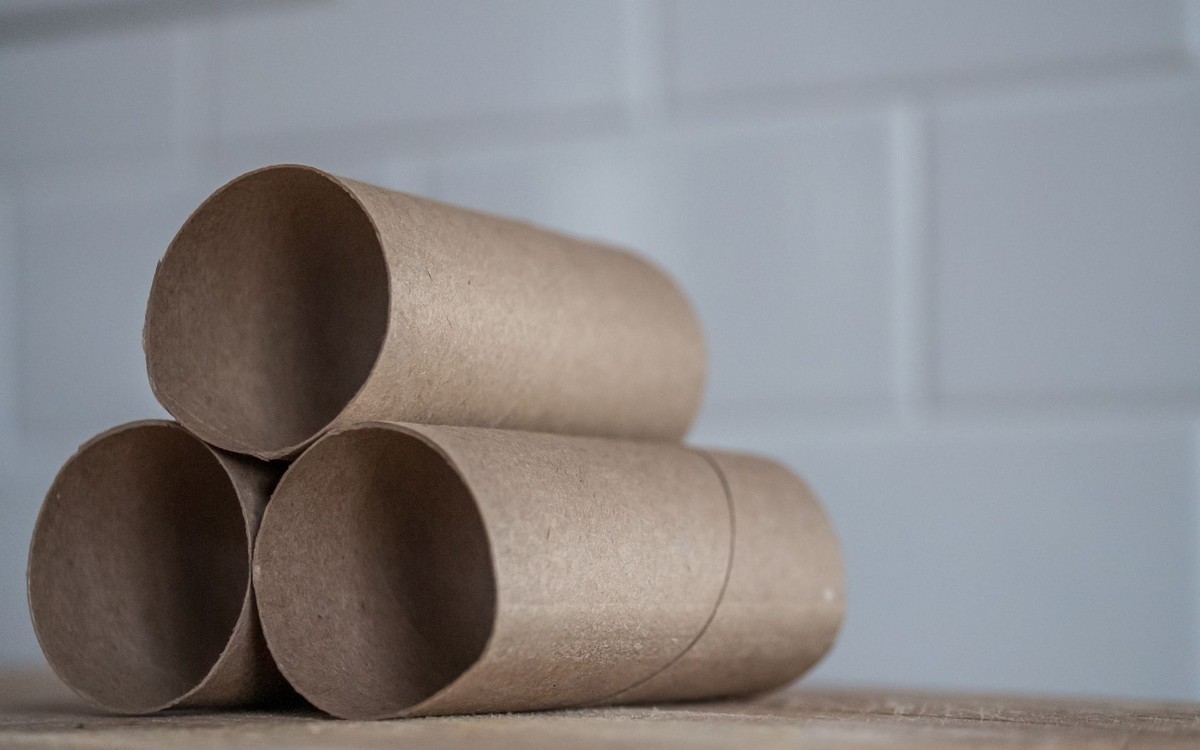
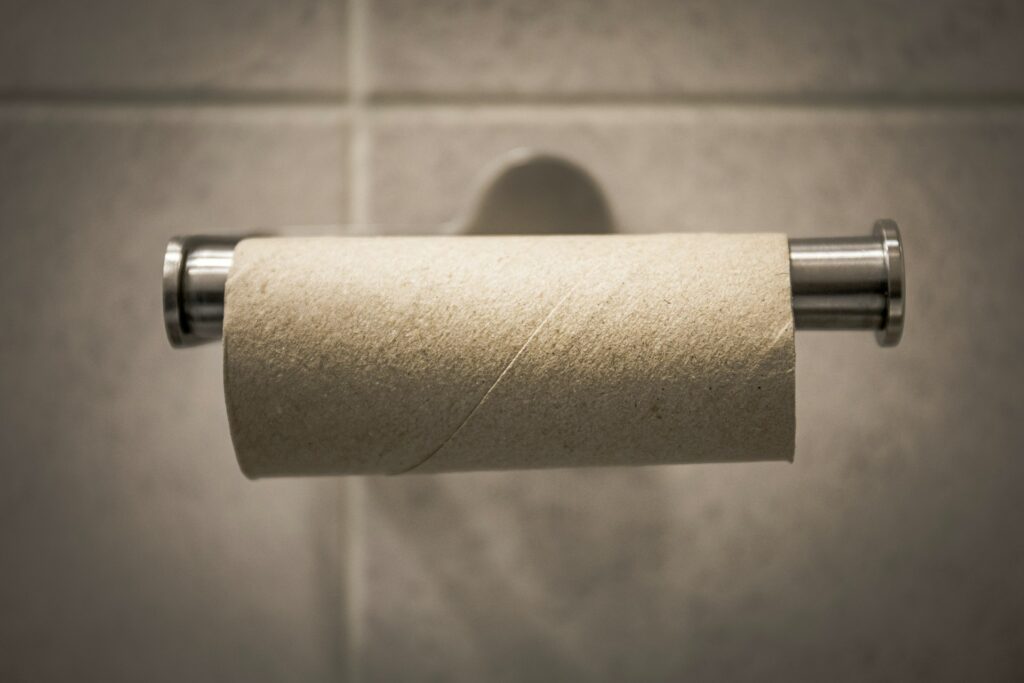
If you had to choose between food and toilet paper, what would you choose? A UK report from In Kind Direct and The Hygiene Bank found that 47% of people experiencing hygiene poverty had gone without toilet roll, making it the most common product people went without. In a survey of 3,042 UK adults, around one in five (18%) reported that they or someone in their household had gone without hygiene products. A quarter of those affected reported resorting to taking toilet roll from public bathrooms. [1]
Given that women use the toilet up to 17% more frequently than men [2] and use toilet paper at 96% of toilet visits, compared with 64% of toilet visits for men [3], it seems likely that women are disproportionately disadvantaged by a lack of access to toilet paper. Menstrual needs are an important part of this discussion and, thankfully, period poverty has received a lot of attention and research in recent years, but everyday urination deserves attention too. The practical difficulties can recur several times a day, whether or not someone is menstruating, and affect girls from potty-training age through to old age, when urinary frequency increases [4] and skin integrity decreases. [5, 6]
Women typically wipe or otherwise remove residual moisture after urination because the urethral opening lies within the vulval area, so urine can remain on external genital skin after dribbling or spraying onto surrounding skin. [7]
Most women have at some point had to “drip-dry” when faced with no toilet paper. Where this occurs very occasionally, such as in a public loo, it is unlikely to cause a problem other than discomfort and possible odour, assuming they are then able to wash sufficiently later in the day. However, where drip-drying is required on a regular basis, problems may start to occur.
Prolonged exposure to moisture and irritants, such as urine, can lead to skin inflammation and damage, and excess moisture can compromise the skin barrier and increase damage caused by friction. This can lead to dermatitis, malodour, pain, erosion in the perineal area and infection. [5] There is almost no research into the impact for women of not wiping after urination. However, we can extrapolate from other fields, including continence, Army and Navy, and homelessness studies. For example, a 2003 survey of 841 deployed US Army and Navy women found that 30% reported vaginal infections and 18.4% experienced urinary tract infections (UTIs). The authors noted that these infections are common in deployment settings, where resources for self-care and primary health care for women are scarce or unavailable. [8]
The 2025 Rough Sleeping Questionnaire in England surveyed 151 women and 809 men who had slept rough within the preceding year and found that 23% of women reported urinary problems or infections in the previous year, compared with 10% of men, although the researchers do not speculate as to why this is. [9]
Hygiene poverty can affect participation in ordinary life, confidence and well-being. In the report, 49% of affected respondents reported embarrassment or shame, 43% had avoided friends or family, and 65% reported mental-health impacts. [1] These effects are not attributable to toilet-paper deprivation alone. However, with toilet roll being the product people most commonly went without, there is likely to be significant overlap.
Isaac Quesada / Unsplash
In the UK and USA, toilets are designed around paper-based cleansing, with handwashing facilities generally outside the toilet cubicle. However, toilet paper is not a universal requirement. In many countries and communities, water-based cleaning via bidets, handheld showers or simple buckets of water is the norm for post-toilet cleansing. The underlying need is access to a workable, acceptable way to manage hygiene; the material used depends partly on culture and infrastructure.
Water-based cleansing depends on water that is safe for the intended use. A 2024 study in Bangladesh interviewed 242 adolescent girls during seasonal water scarcity. Self-reported urinary or bacterial-vaginosis symptoms were associated with the quality of water sources used for menstrual hygiene. [10]
Research is beginning to examine the reproductive-health implications. A 2024 study in western Kenya followed 436 adolescent girls over 18 months. Household water source, latrine type and rainfall were associated with vaginal microbiome composition. Piped water, compared with pond water, was associated with a healthier Lactobacillus crispatus-dominated vaginal microbiome. [11]
Disasters can make these problems more acute. Following Pakistan’s 2022 floods, WaterAid documented women washing menstrual cloths in dirty floodwater and reported a local nurse’s observations of increased UTI-like symptoms. [12] After emergencies, US Centers for Disease Control and Prevention guidance advises against bathing in water potentially contaminated with sewage or toxic chemicals, or in flood-contaminated rivers, streams and lakes. [13]
The questions research still needs to answer
The studies discussed here leave a basic everyday question unanswered: what happens when women repeatedly have no reliable way to remove residual urine after urination? There is an absolute dearth of research providing a clear estimate of resulting discomfort, skin irritation or infection risk, let alone the psychosocial effects of inadequate access to post-urination cleansing methods. Nor is there any research to tell us which affordable approaches are most helpful to women in various settings.
Furthermore, it would be helpful for future research to distinguish access to paper from access to safe water, privacy and clean underwear. Biopsychosocial symptoms alongside clinical outcomes should be measured, and women affected by poverty should be involved in deciding which questions matter.
Meanwhile, support services can ask about ordinary toileting needs as well as menstrual products. The End Hygiene Poverty campaign calls for better evidence to understand and prevent hygiene poverty. [1] That work should include the small, repeated acts of personal care that sanitation systems often assume everyone can manage and, vitally, the different experiences and requirements of women and men. The gaps in our knowledge are a reason, and an opportunity, to ask better questions and tackle problems that matter to women.
Author Bio