
Nasal Photodisinfection Cuts Surgical Infections In Complex Brain Surgery By 78.5% at Leeds Teaching Hospitals
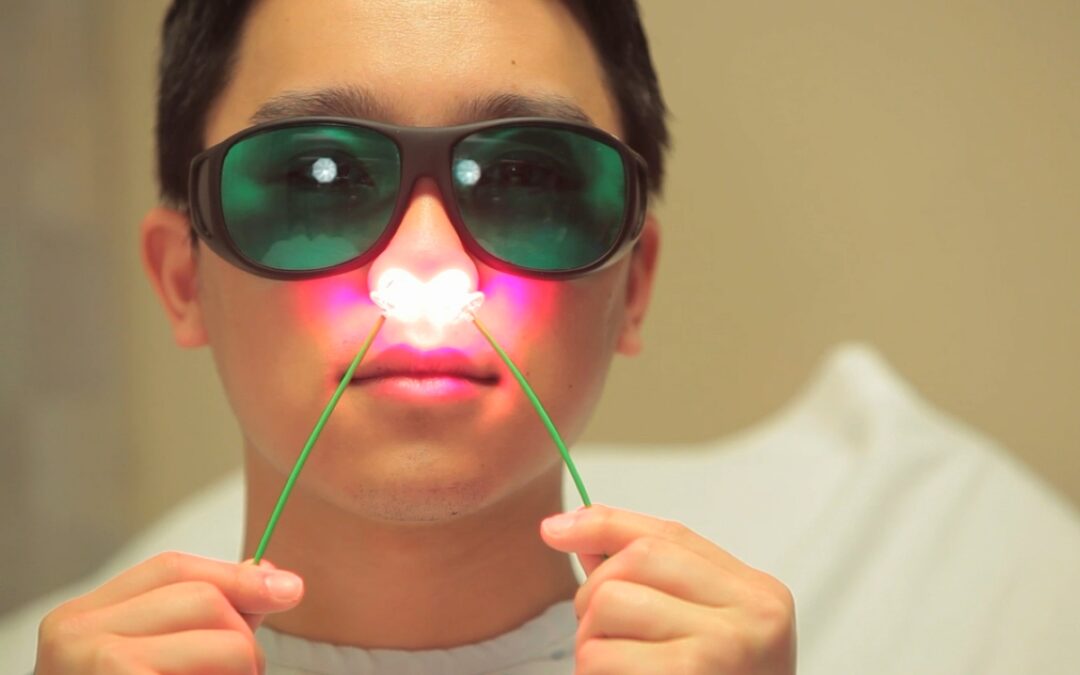
A pilot involving 189 patients at Leeds Teaching Hospitals using nasal photodisinfection prior to complex brain procedures performed through the nose has led to a 78% reduction in surgical site infections (SSIs) and recorded no cases of meningitis. The initiative, led by Leeds Teaching Hospitals’ Dr. Paul Nix, Consultant ENT Surgeon, has been accepted for presentation at ENDOATHENS, the 10th World Congress for Endoscopic Surgery of Sinuses, Skull Base, Brain, Spine & Orbit, taking place in Athens, Greece, June 15-18, 2026.
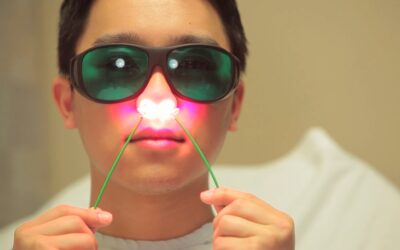
Leeds Teaching Hospitals NHS Trust undertook the pilot to explore new technologies which could enhance clinical settings and used Ondine Biomedical’s Steriwave® in preparation for complex brain surgery. The project was supported, in part, by funding from Leeds Hospitals Charity as part of its commitment to innovation in hospitals and the opportunity to impact on patients through charitable funding.
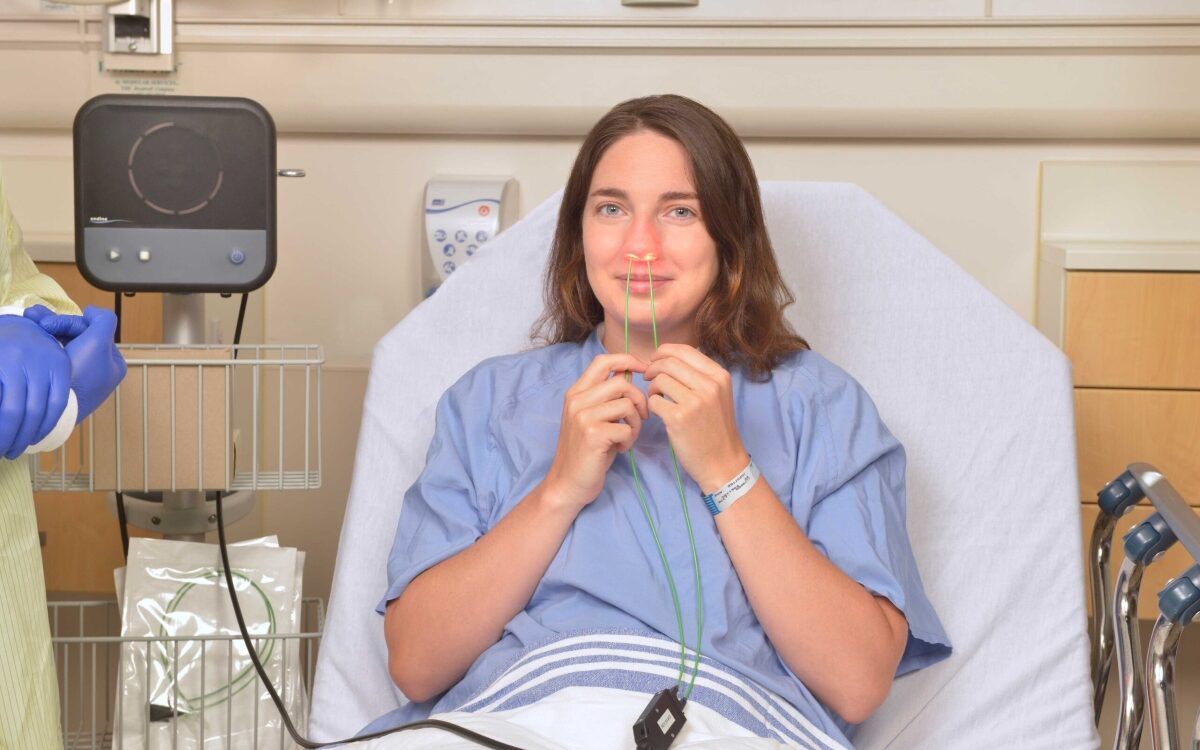
The pilot’s interim analysis highlights a significant advance in neurosurgical safety protocols, demonstrating that a painless 5-minute pre-surgical nasal photodisinfection protocol using Ondine’s Steriwave® reduced surgical site infections by 78.5% (p=0.0052) and resulted in a “Zero-Meningitis” outcome for patients in the treatment cohort. Nasal decolonisation for patients undergoing surgery is recommended, particularly for procedures performed through the nose.
The nose is a reservoir for harmful pathogens, which are among the main causes of SSIs. In this evaluation—the first of its kind involving endoscopic skull-base surgeries (EESB)—the Leeds clinical team successfully piloted this new technology.
Traditional nasal decolonisation requires patients to apply antiseptic or antibiotic treatments at home for five days before surgery, but only around 40% complete the treatment as directed. Dr. Nix’s study of 189 patients receiving care at Leeds General Infirmary compared this standard approach with using Steriwave® delivered in hospital by the surgical team. By moving the process into the clinical setting, the new approach achieved 100% compliance.
Dr. Paul Nix, Consultant ENT at Leeds Teaching Hospitals NHS Trust, commented:
“The rationale is clear: by significantly reducing the risk of patients not completing home-based decolonisation treatments and reducing harmful bacteria in the nose before surgery, we can better protect patients from infection and improve outcomes. Presenting these findings at ENDOATHENS gives us the opportunity to share an important advance in neurosurgical safety and infection prevention with colleagues around the world.”
Elevating Safety at the Premier Global Skull Base Forum
ENDOATHENS is the world’s premier multidisciplinary event for endoscopic skull base sciences. Organised in conjunction with the European Skull Base Society (ESBS), the congress devotes itself to the free interchange of international knowledge, teaching, and therapy of skull base diseases. Its core mission is to evaluate and systematize current advances made by individual skull base disciplines to directly benefit patients.
Because Endoscopic Endonasal Skull-Base Surgery (EESB) allows surgeons to access tumours, pituitary glands, and the brain through the nasal cavity without traditional craniotomies, it requires an extraordinary level of precision. Unlike standard spinal or superficial surgical site infections, endoscopic skull base surgery creates a direct pathway between the bacteria-rich nasal cavity and the brain’s subarachnoid space. If that barrier is breached, bacteria can enter the cerebrospinal fluid and quickly cause septic thrombosis, stroke, severe neurological injury, and prolonged ICU stays.
The nasal surgical corridor leaves the central nervous system uniquely vulnerable to a patient’s own nasal bacteria, historically resulting in standard UK post-operative meningitis rates between 1.8% and 2.6%. The Leeds clinician-led nasal photodisinfection study achieved 100% compliance in the treatment arm and recorded zero cases of post-operative meningitis or deep-space intracranial complications. Neurosurgical literature typically reports mortality rates of 10% to 30% for post-operative meningitis, suggesting pre-incisional prevention as a critical focus to eliminate this mortality risk.
Carolyn Cross, CEO of Ondine Biomedical, added:
“We are incredibly proud that Dr. Nix’s pioneering work has been recognised by the ESBS and the ENDOATHENS committee. This is the first ever EESB nasal photodisinfection study and we are thrilled with the initial outcomes. Accessing brain surgery through the nose is a remarkable medical advancement, but it inherently elevates the risk of patient self-infection as many pathogens reside in the nose. Applying broad-spectrum photodisinfection moments before skull base surgery is a logical and vital shield to help protect patients against deep-tissue infections that carry a heavy morbidity and mortality burden.”
Dr. Nix’s presentation at ENDOATHENS will showcase how standardising clinician-led approaches aligns with national GIRFT safety targets, future-proofs the surgical environment against antimicrobial resistance, and protects vulnerable patients from life-threatening complications.
About ENDOATHENS & The European Skull Base Society (ESBS)
The ENDOATHENS 10th World Congress for Endoscopic Surgery of Sinuses, Skull Base, Brain, Spine & Orbit is the premier global scientific assembly for skull base disciplines. In collaboration with the ESBS, it promotes the international exchange of research, diagnosis, and therapy of skull base diseases. The association focuses on the development, improvement, and systematic evaluation of multidisciplinary centres to optimize outcomes for patients worldwide.
About Leeds Teaching Hospitals NHS Trust
Leeds Teaching Hospitals NHS Trust is one of the largest and busiest acute hospital trusts in the country. We are the local hospital for Leeds and provide specialist services for our local communities, the Yorkshire and Humber region and beyond.
This means that people in Leeds have access to some of the very best care in the country and benefit from a seamless provision of all services.
We play an important role in the training and education of medical, nursing and dental students, and are a centre for world-class research, innovation and pioneering new treatments.
Leeds Teaching Hospitals has a budget of more than £2.1 billion and a 20,000-strong staff. Last year, we delivered close to 1.8 million episodes of care, including 109,000 inpatient admissions, 1.3 million outpatient attendances and 359,000 attendances in our Emergency Departments.
Our care and clinical expertise is delivered from seven hospitals on five sites, and they are all joined by our vision to be the best for specialist and integrated care. Find out more on our website: www.leedsth.nhs.uk
About Ondine Biomedical Inc.
Ondine Biomedical Inc. is a Canadian life sciences company focused on the development of light-activated antimicrobial therapies (‘photodisinfection’) for the prevention and treatment of infections, including those associated with multidrug-resistant organisms.
Ondine’s lead product, Steriwave®, is authorized for nasal decolonisation in Canada and certain international markets. In the United States, the technology has been granted Qualified Infectious Disease Product designation and Fast Track status by the U.S. Food and Drug Administration and recently completed enrolment in its Phase 3 clinical trial.
The Company has a pipeline of additional photodisinfection products in various stages of development for application in areas including chronic sinusitis, ventilator-associated pneumonia, burns and other indications.