

Latest News

Roche Backs Lean Mass Preservation With $2.3bn Hanmi Obesity Deal
Roche has placed a fresh bet on lean mass preservation, the most contested new frontier in obesity drug development. On 24 August 2026, its Genentech unit licensed an experimental candidate from South Korea’s Hanmi Pharmaceutical. The drug, HM17321, is designed to...
Latest News

Panthera Opens New Clinical Research Clinic at Keele University
13 August 2026 - Panthera has opened its latest clinical trial clinic at Keele University, further strengthening its growing clinical research network across the UK and Europe. Panthera, which is the UK's largest independent Site Management Organisation (SMO),...
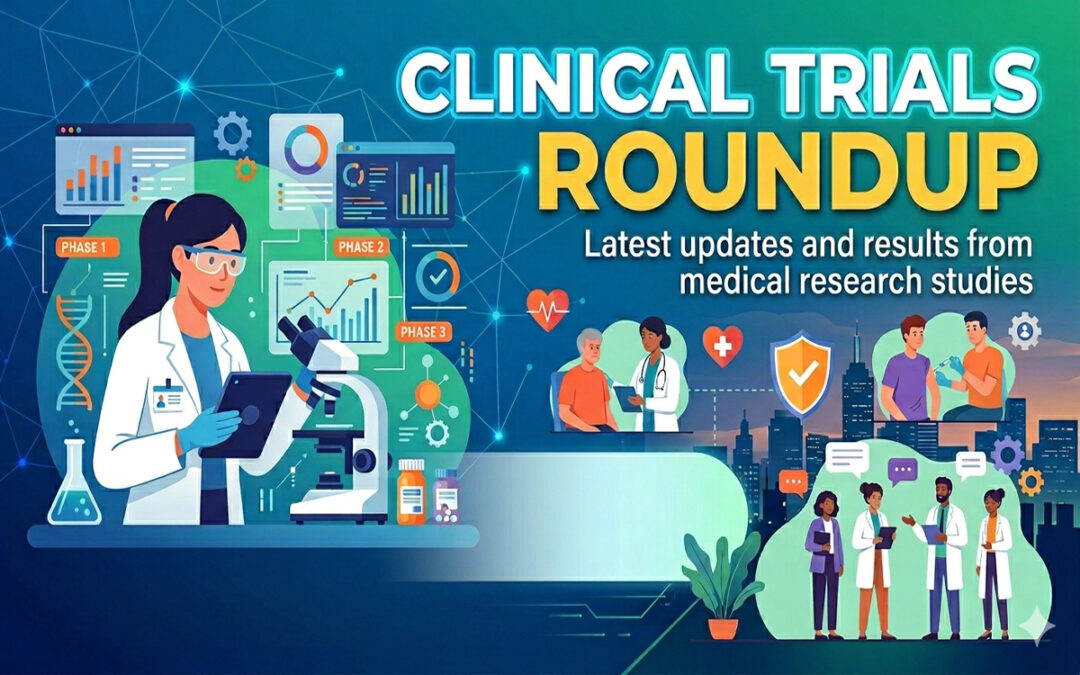
Clinical Trials Roundup | 14 Aug 2026
Tenax Therapeutics' TNX-103 misses its primary endpoint in the Phase 3 LEVEL trial in pulmonary hypertension due to heart failure with preserved ejection fraction, AbCellera's ABCL635 meets both primary efficacy endpoints in a Phase 2 trial in menopausal vasomotor...

From Laboratory to Market: Risk Planning for Life Science Companies
The UK life sciences sector is entering an important phase of growth. The Government's Life Sciences Sector Plan sets an ambition for the UK to become the leading life sciences economy in Europe by 2030 and the third globally by 2035. It also reports that the sector...

Biopharma VC Funding in H1 2026: Megarounds Mask an Early-Stage Squeeze
Biopharma VC funding delivered its strongest opening half in four years. Yet the headline figure hides a widening split. Mature, de-risked companies are attracting capital, while the seed-stage startups that supply the sector’s long-term pipeline are not. Data...
Join The Future Of Life Sciences Media
In a world overflowing with information, LifeScienceDaily.news stands apart as the dedicated space where life sciences professionals share what’s new, what’s next, and why it matters — all in real time.
Don’t wait for the media to pick up your story. Be the media.
Trending




More News

Digital Twin: The Future of Pharmaceutical Manufacturing Science
Pharmaceutical manufacturing is entering a new scientific era. For decades, the industry has relied on validated processes, fixed control strategies, laboratory testing and carefully documented batch records to prove that medicines are made consistently and safely....

How AI-Enabled Functional Precision Oncology Is Personalizing Treatment
When the Standard Playbook Runs Out In pediatric and adult oncology alike, there is a recognizable moment when the standard treatment playbook is exhausted. For patients with rare, relapsed, or treatment-resistant cancers, guidelines built for the common case offer...

The Infrastructure Gap Behind the GLP-1 Boom
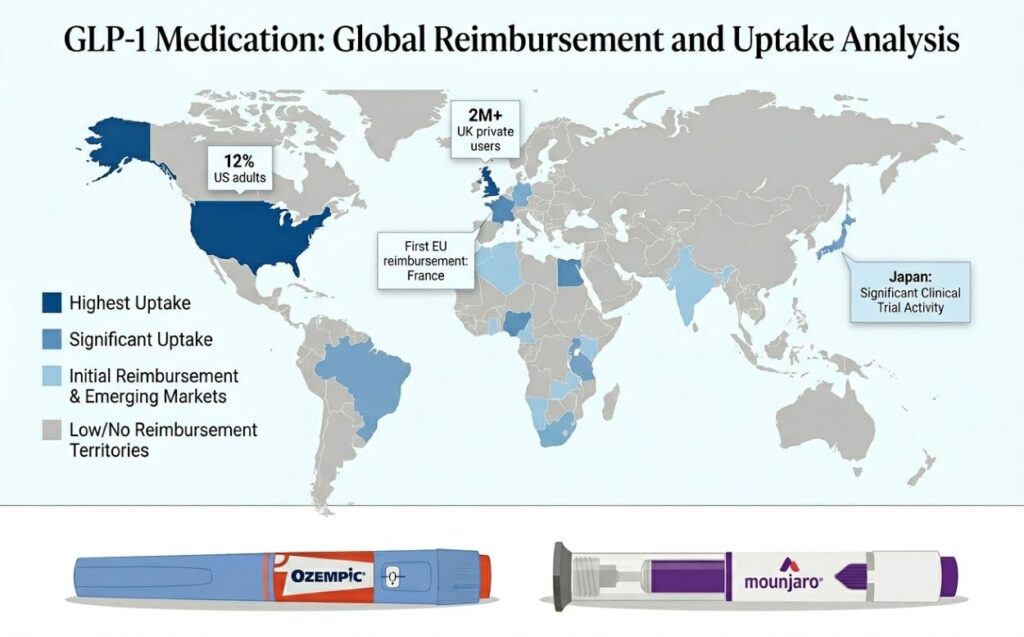
The rapid rise of GLP-1 medications has transformed healthcare delivery in ways few therapeutic categories have achieved in recent decades. Originally developed to help manage type 2 diabetes, GLP-1 receptor agonists such as semaglutide and tirzepatide have become...

How Climate Change is Redrawing Europe’s Disease Landscape
The impact of climate change is usually discussed in terms of heatwaves and floods. While less visible, its impact on infectious diseases is equally consequential for public health. New data from the UK Health Security Agency (UKHSA) showing a surge in chikungunya...

A Path to Rebuilding American Manufacturing for Lab Consumables
Amid today's geopolitical tensions, supply chain vulnerability is emerging as an increasingly central concern, and, in the case of life science consumables, one that places the health of the public at risk. The issue itself, however, is far from new. In December 2020...
Weekly News Roundup | 13 July 2026
Life science news 13 July 2026: Vertex seals a $10 billion deal for rare endocrine specialist Crinetics, the FDA clears the first dual BAFF/APRIL inhibitor for IgA nephropathy, and Novartis acquires a UK cancer therapy spinout in a blockbuster week for pharma, biotech...

Medicare GLP-1 Bridge: Who Qualifies and Who Does Not
The Medicare GLP-1 Bridge launched on 1 July 2026, opening a new pathway for eligible Medicare Part D beneficiaries to access weight management medications at a fixed monthly copay of $50. For clinicians navigating GLP-1 Bridge eligibility criteria, the prior...

The Next Public Health Playbook: Why Trust Matters More Than Ever
The current news cycle is dominated by new and exotic-sounding organisms and chemicals: PFOS, bisphenols, phthalates, Mpox, New World screwworm, Andes hantavirus, Ebola bundibugyo, Borrelia burgdorferi, dengue, and chikungunya. What do they have in common? They are...
Clinical Trials Roundup | 10 July 2026
Roche’s divarasib demonstrates superiority over approved KRAS G12C inhibitors in the Phase 3 Krascendo 1 head-to-head lung cancer trial, Vera Therapeutics’ Trutakna receives FDA accelerated approval as the first BAFF/APRIL inhibitor for IgA nephropathy, Rhythm...

Adipose Tissue Isn’t Just Storage: Fat as an Endocrine and Immune Organ
For much of the 20th century, body fat was viewed mainly as the body's energy reservoir—a passive tissue that stored excess calories for future use. While this remains an important function of adipose tissue, research over the past few decades has revealed a far more...

FDA Drug Approval Decisions to Watch: July and August 2026
The second half of 2026 is shaping up to be one of the most consequential periods for FDA drug approval decisions in recent memory. Between mid-July and late August, the US Food and Drug Administration faces a succession of Prescription Drug User Fee Act target action...

New Research On the Next Phase in Protecting Muscle During GLP-1 Treatment
When I wrote previously for this publication about the gap between GLP-1 prescribing rates and the clinical conversation around lean muscle preservation, the argument centred on a simple premise: weight loss is not fat loss, and the clinical infrastructure around...
Digital Twin: The Future of Pharmaceutical Manufacturing Science
Pharmaceutical manufacturing is entering a new scientific era. For decades, the industry has relied on validated processes, fixed control strategies, laboratory testing and carefully documented batch records to prove that medicines are made consistently and safely....
How AI-Enabled Functional Precision Oncology Is Personalizing Treatment
When the Standard Playbook Runs Out In pediatric and adult oncology alike, there is a recognizable moment when the standard treatment playbook is exhausted. For patients with rare, relapsed, or treatment-resistant cancers, guidelines built for the common case offer...
The Infrastructure Gap Behind the GLP-1 Boom
The rapid rise of GLP-1 medications has transformed healthcare delivery in ways few therapeutic categories have achieved in recent decades. Originally developed to help manage type 2 diabetes, GLP-1 receptor agonists such as semaglutide and tirzepatide have become...
How Climate Change is Redrawing Europe’s Disease Landscape
The impact of climate change is usually discussed in terms of heatwaves and floods. While less visible, its impact on infectious diseases is equally consequential for public health. New data from the UK Health Security Agency (UKHSA) showing a surge in chikungunya...
A Path to Rebuilding American Manufacturing for Lab Consumables
Amid today's geopolitical tensions, supply chain vulnerability is emerging as an increasingly central concern, and, in the case of life science consumables, one that places the health of the public at risk. The issue itself, however, is far from new. In December 2020...
Weekly News Roundup | 13 July 2026
Life science news 13 July 2026: Vertex seals a $10 billion deal for rare endocrine specialist Crinetics, the FDA clears the first dual BAFF/APRIL inhibitor for IgA nephropathy, and Novartis acquires a UK cancer therapy spinout in a blockbuster week for pharma, biotech...
Medicare GLP-1 Bridge: Who Qualifies and Who Does Not
The Medicare GLP-1 Bridge launched on 1 July 2026, opening a new pathway for eligible Medicare Part D beneficiaries to access weight management medications at a fixed monthly copay of $50. For clinicians navigating GLP-1 Bridge eligibility criteria, the prior...
The Next Public Health Playbook: Why Trust Matters More Than Ever
The current news cycle is dominated by new and exotic-sounding organisms and chemicals: PFOS, bisphenols, phthalates, Mpox, New World screwworm, Andes hantavirus, Ebola bundibugyo, Borrelia burgdorferi, dengue, and chikungunya. What do they have in common? They are...
Clinical Trials Roundup | 10 July 2026
Roche’s divarasib demonstrates superiority over approved KRAS G12C inhibitors in the Phase 3 Krascendo 1 head-to-head lung cancer trial, Vera Therapeutics’ Trutakna receives FDA accelerated approval as the first BAFF/APRIL inhibitor for IgA nephropathy, Rhythm...
Adipose Tissue Isn’t Just Storage: Fat as an Endocrine and Immune Organ
For much of the 20th century, body fat was viewed mainly as the body's energy reservoir—a passive tissue that stored excess calories for future use. While this remains an important function of adipose tissue, research over the past few decades has revealed a far more...
FDA Drug Approval Decisions to Watch: July and August 2026
The second half of 2026 is shaping up to be one of the most consequential periods for FDA drug approval decisions in recent memory. Between mid-July and late August, the US Food and Drug Administration faces a succession of Prescription Drug User Fee Act target action...
New Research On the Next Phase in Protecting Muscle During GLP-1 Treatment
When I wrote previously for this publication about the gap between GLP-1 prescribing rates and the clinical conversation around lean muscle preservation, the argument centred on a simple premise: weight loss is not fat loss, and the clinical infrastructure around...
Featured Articles


Further News

Atacicept FDA Approval: Trutakna Cleared for IgAN
The atacicept FDA approval that the nephrology community had been anticipating since January arrived on schedule on 7 July 2026, when the US Food and Drug Administration granted accelerated approval to Vera Therapeutics' atacicept-vymj, to be marketed as Trutakna, for...

AI Trust in Healthcare Starts with the People in the Room
Healthcare is on an accelerated path to digitisation, creating real opportunity to reduce administrative burden, improve risk detection, support prioritisation, and help people access the right care sooner. But without deliberate design, these same systems risk...

The Regulatory Window for AI in Pharmacovigilance Is Open
In more than two decades of working with global CROs, pharmaceutical companies, and biotech organizations, I have watched pharmacovigilance teams absorb wave after wave of increasing complexity. More products on the market. More data sources to monitor. More...

Webinar: Decoding Neurodegeneration via iPSC-Derived Human Brain Models
The human brain presents an intricate evolutionary paradox. While its sophisticated neural networks govern complex cognition, its architecture is uniquely susceptible to progressive degradation. For decades, the biomedical community has grappled with an uncomfortable...

Why the Immune System Is Becoming the New Battlefield in Cancer Care
The Old Paradigm For more than a century, cancer treatment has been defined by a straightforward objective: find the tumor and destroy it. Surgery removes it, radiation damages it. Chemotherapy attacks rapidly dividing cells. These approaches have saved countless...

CE Marking Is Not Enough: Three Layers for Connected Medical Devices
If your device connects to a network and runs AI, CE marking under MDR or IVDR is only the first layer for connected medical devices. Two further EU frameworks, the AI Act and the Cyber Resilience Act, can also apply, each with obligations that go beyond what MDR...
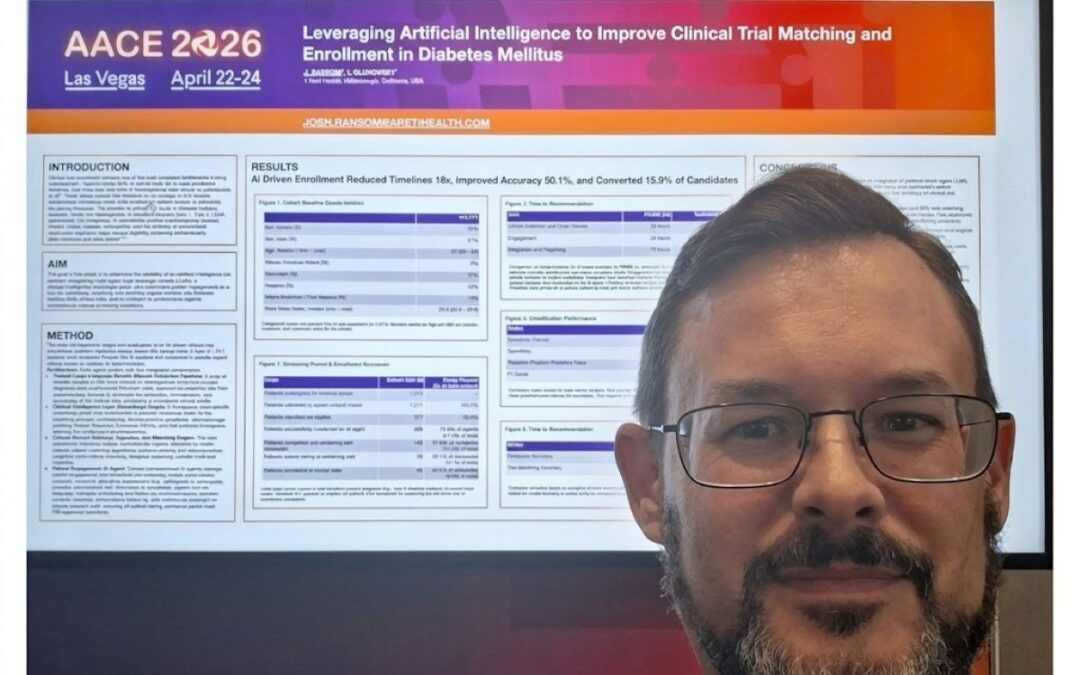
When Months Become Days: AI’s Edge in Patient Engagement
Every therapy that reaches a patient first has to clear a quieter hurdle that rarely makes headlines: finding enough of the right people to test it. That hurdle is where most clinical programs stumble. Roughly 80% of clinical trials fail to meet their enrollment...

What My Stroke Recovery Taught Me About Mobility and Safer Care
After more than three decades in nursing, I have had the privilege of caring for patients during some of the most vulnerable moments of their lives. I have worked alongside extraordinary nurses, therapists, physicians, and support staff who dedicate themselves to...

Tregzi (Orca Bio): Inside the First Regulatory T-Cell Therapy for Blood Cancer
The US Food and Drug Administration has approved Tregzi, a regulatory T-cell therapy developed by Orca Bio. It is the first treatment built from highly purified regulatory T cells to reach the American market. The FDA cleared Tregzi on 30 June 2026. It is designed to...

Workforce Capability Standardization in Medical Affairs
For decades, the pharmaceutical industry has invested heavily in scientific innovation, regulatory rigor, clinical development, manufacturing quality, and commercial excellence. Yet one of the most important links between innovation and patient impact has remained...
Weekly News Roundup | 06 July 2026
Life science news 6 July 2026: the FDA expands the world’s first CRISPR gene therapy to children as young as two, Ipsen commits up to $1.75 billion for a late-stage blood cancer drug, and two first-in-class FDA approvals reshape the cell therapy landscape in a busy...

Atacicept IgA Nephropathy: FDA Decision Due 7 July
Four days from now, the US Food and Drug Administration is due to hand down its atacicept IgA nephropathy decision, ruling on whether the experimental Vera Therapeutics drug becomes the first therapy to target both BAFF and APRIL in adults with the disease. The...
Further News
Want to Be Part of the Next Chapter in Life Sciences Media?
LifeScienceDaily.news is building a new kind of platform where innovators, researchers, and industry leaders tell their own stories and shape the narrative of what’s next in life sciences. Share your story and lead the conversation.
Don’t wait for the media to pick up your story. Be the media.
See More Articles









Want to Be Part of the Next Chapter in Life Sciences Media?
LifeScienceDaily.news is building a new kind of platform where innovators, researchers, and industry leaders tell their own stories and shape the narrative of what’s next in life sciences. Share your story and lead the conversation.