

Latest News
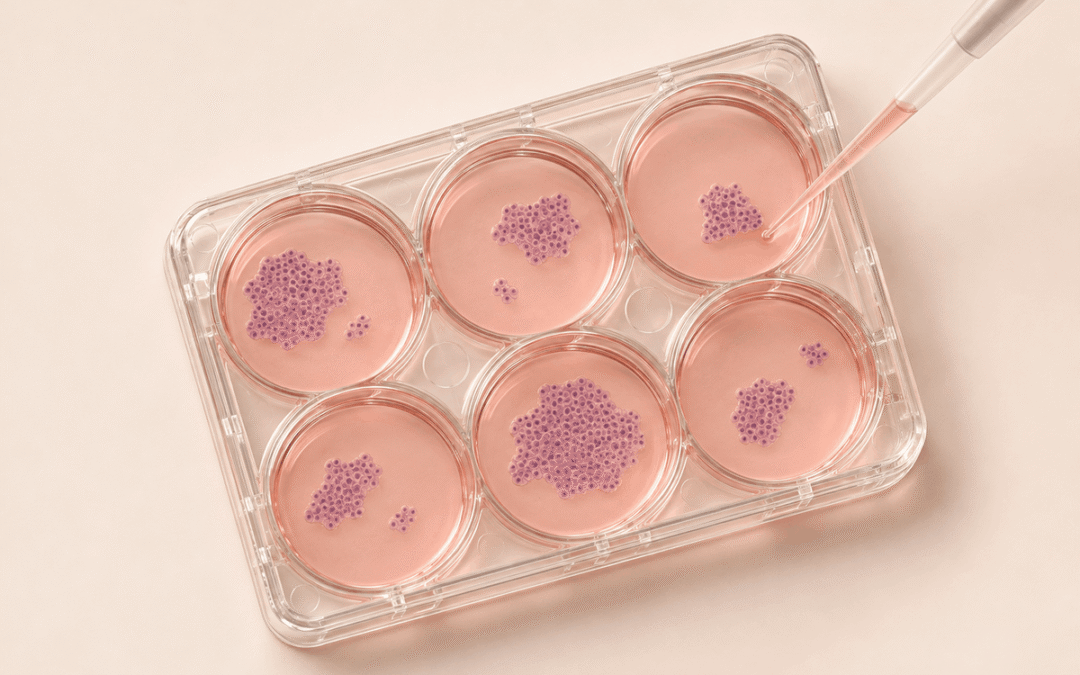
Creative Biolabs Helps Improve Reproducibility Across iPSC Organoid Studies
As iPSC-derived organoids gain importance in disease modeling and drug discovery, Creative Biolabs highlights iPSC differentiation consistency, cell characterization, and application-specific validation to help researchers develop more reliable experimental models....
Latest News

ALK7 Obesity Drugs: Who Is Developing Them After Roche’s Rona Deal?
Several companies are now developing ALK7 obesity drugs, but human data remain early. On 13 October 2026, Rona Therapeutics licensed an ALK7-targeting RNAi candidate to Roche. Arrowhead, and SiranBio with GSK, have also disclosed ALK7 programmes. Fierce Biotech...

What Pharma Can Learn From Retail as GLP-1 Demand Reshapes Healthcare
Demand for weight-loss medicines in the UK has run well ahead of what the NHS can provide. Researchers at UCL estimate that 1.6 million adults in Great Britain used a medicine to lose weight between early 2024 and early 2025, and that a further 3.3 million were...

Admilparant Approval: What the ALOFT-IPF Result Shows So Far
Admilparant approval for idiopathic pulmonary fibrosis (IPF) is not yet decided, and LSDN found no announced regulatory filing. On 12 October 2026, Bristol Myers Squibb (BMS) reported that its phase 3 ALOFT-IPF trial met its primary endpoint. That was at the 60 mg...

AI Can Accelerate Optimisation, But It Cannot Replace Biological Discovery
Artificial intelligence is increasingly being integrated into the drug discovery process. From the identification of therapeutic targets to the prediction of molecular interactions and ranking of compounds to be developed further, the power of computational tools...
Join The Future Of Life Sciences Media
In a world overflowing with information, LifeScienceDaily.news stands apart as the dedicated space where life sciences professionals share what’s new, what’s next, and why it matters, all in real time.
Don’t wait for the media to pick up your story. Be the media.
Trending






More News

Compliant on Paper, Exposed in Practice
A pharmaceutical manufacturer completes a technology transfer. The validation protocols have been approved. Training records are complete, documentation has been reviewed, and every required signature has been collected. The project passes its milestones and moves...
The One Leadership Skill That Turns the Ordinary Into the Extraordinary
As healthcare and life sciences organizations confront workforce shortages, regulatory pressures, rapid technological change, and increasing operational complexity, building a pipeline of extraordinary leaders has never been more important. Many of these organizations...
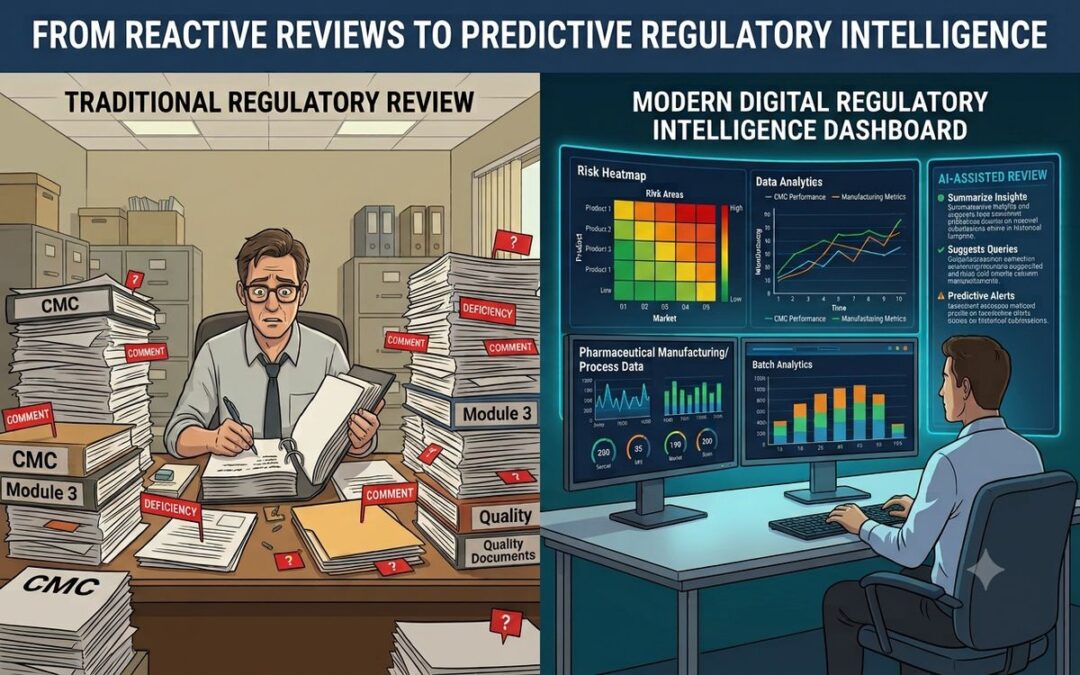
From Reactive Reviews to Predictive Regulatory Intelligence
Every regulatory professional has experienced the same moment. After months, and sometimes years, of preparing a Chemistry, Manufacturing, and Controls (CMC) submission, the application is finally submitted to a health authority. At that point, the questions begin....

The Patient as Healthcare’s Systems Integrator
Healthcare has undergone a remarkable digital transformation over the past two decades. Electronic health records, electronic prescribing, patient portals, telemedicine, artificial intelligence, and remote monitoring have fundamentally changed how healthcare is...

Why AI in Life Sciences Lives or Dies on its Data Foundations
AI has moved quickly in the life sciences making exciting breakthroughs and reframing how we think about healthcare. But beneath these breakthroughs, work is happening in places that rarely make headlines, data catalogues, validation plans, audit trails, integration...

Healthcare’s Claim-Denial Crisis Is an Administrative Epidemic
Healthcare has a second epidemic running alongside every clinical one, and it doesn't show up on a chart. It shows up in a fax queue. A claim gets denied, and somewhere in a hospital's business office, a trained professional begins a process that looks less like...
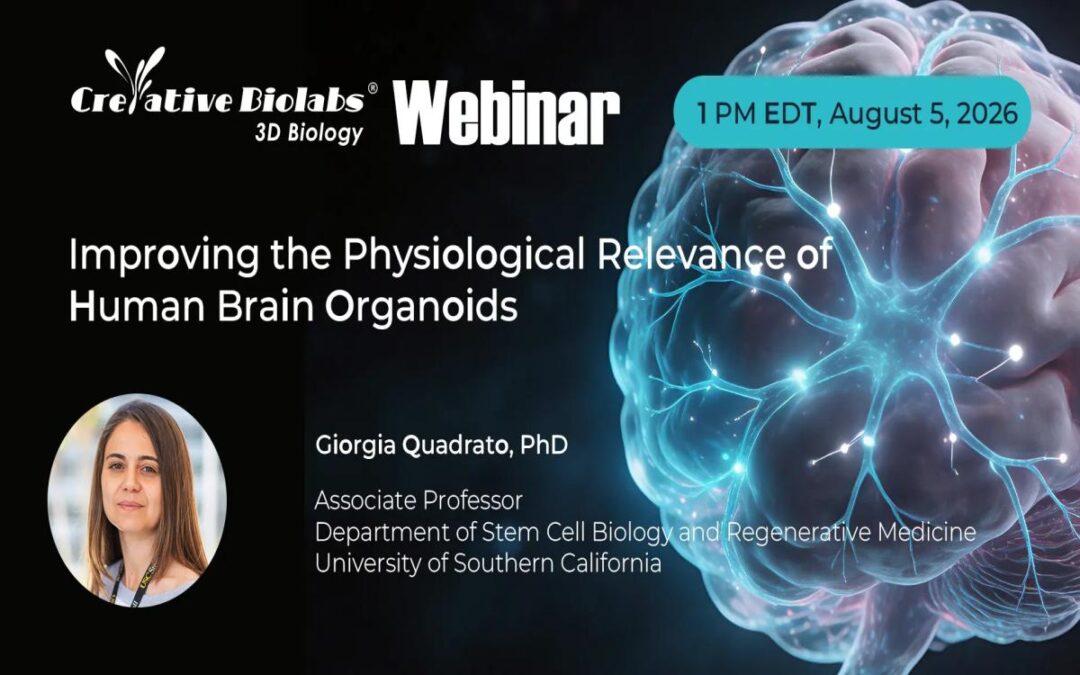
Next-Gen 3D Models: A Webinar on Elevating Brain Organoid Fidelity
Human brain organoids have fundamentally shifted the paradigm of neurological research. By transforming human pluripotent stem cells (hPSCs) into self-organizing, three-dimensional tissues, these models provide an unprecedented window into the distinct spatial...
Weekly News Roundup | 20 July 2026
Life science news 20 July 2026: the FDA approves the first oral PCSK9 inhibitor for high cholesterol, Eli Lilly makes the largest psychedelics deal in Big Pharma history, and a first-in-class breast cancer therapy wins regulatory clearance in a landmark week for...

The NewCo Model: How Big Pharma Spins Out Pipeline Assets
The NewCo model biopharma strategy has rapidly become one of the most consequential dealmaking trends in the life sciences industry. Rather than shelving deprioritised pipeline assets or selling them outright through traditional licensing agreements, major...

Diranersen: First Tau Drug to Show Cognitive Benefit in Alzheimer’s
The first Phase 2 clinical evidence that a tau Alzheimer's drug can simultaneously reduce brain tangles and slow cognitive decline was presented at the Alzheimer's Association International Conference (AAIC) 2026 in London on 14 July. Biogen's diranersen, an antisense...
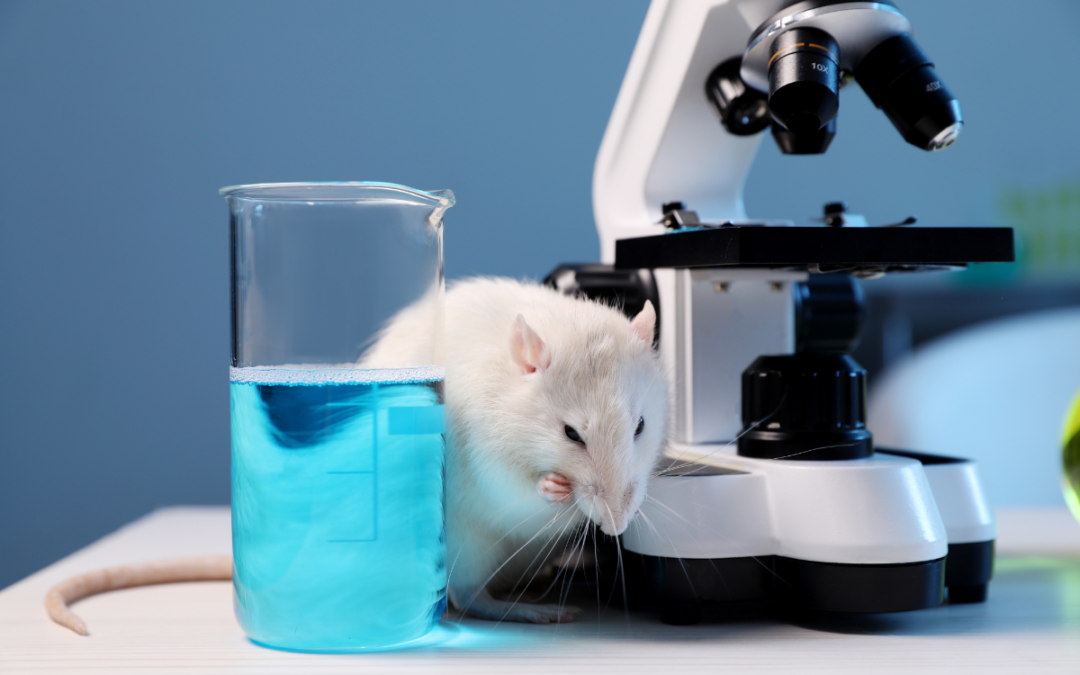
NAMs and Animal Testing: Separating Progress From Hype
If you followed the headlines over the past two years, you could be forgiven for thinking animal testing in drug development is already on its way out. In December 2022, the FDA Modernization Act 2.0 removed the blanket legal requirement for animal studies to support...
Clinical Trials Roundup | 17 July 2026
Celcuity's gedatolisib receives FDA approval as the first pan-PI3K and mTOR inhibitor for advanced breast cancer, Biogen's diranersen delivers detailed Phase 2 CELIA data showing tau reduction and cognitive benefit in early Alzheimer's disease, Novo Nordisk's...
Compliant on Paper, Exposed in Practice
A pharmaceutical manufacturer completes a technology transfer. The validation protocols have been approved. Training records are complete, documentation has been reviewed, and every required signature has been collected. The project passes its milestones and moves...
The One Leadership Skill That Turns the Ordinary Into the Extraordinary
As healthcare and life sciences organizations confront workforce shortages, regulatory pressures, rapid technological change, and increasing operational complexity, building a pipeline of extraordinary leaders has never been more important. Many of these organizations...
From Reactive Reviews to Predictive Regulatory Intelligence
Every regulatory professional has experienced the same moment. After months, and sometimes years, of preparing a Chemistry, Manufacturing, and Controls (CMC) submission, the application is finally submitted to a health authority. At that point, the questions begin....
The Patient as Healthcare’s Systems Integrator
Healthcare has undergone a remarkable digital transformation over the past two decades. Electronic health records, electronic prescribing, patient portals, telemedicine, artificial intelligence, and remote monitoring have fundamentally changed how healthcare is...
Why AI in Life Sciences Lives or Dies on its Data Foundations
AI has moved quickly in the life sciences making exciting breakthroughs and reframing how we think about healthcare. But beneath these breakthroughs, work is happening in places that rarely make headlines, data catalogues, validation plans, audit trails, integration...
Healthcare’s Claim-Denial Crisis Is an Administrative Epidemic
Healthcare has a second epidemic running alongside every clinical one, and it doesn't show up on a chart. It shows up in a fax queue. A claim gets denied, and somewhere in a hospital's business office, a trained professional begins a process that looks less like...
Next-Gen 3D Models: A Webinar on Elevating Brain Organoid Fidelity
Human brain organoids have fundamentally shifted the paradigm of neurological research. By transforming human pluripotent stem cells (hPSCs) into self-organizing, three-dimensional tissues, these models provide an unprecedented window into the distinct spatial...
Weekly News Roundup | 20 July 2026
Life science news 20 July 2026: the FDA approves the first oral PCSK9 inhibitor for high cholesterol, Eli Lilly makes the largest psychedelics deal in Big Pharma history, and a first-in-class breast cancer therapy wins regulatory clearance in a landmark week for...
The NewCo Model: How Big Pharma Spins Out Pipeline Assets
The NewCo model biopharma strategy has rapidly become one of the most consequential dealmaking trends in the life sciences industry. Rather than shelving deprioritised pipeline assets or selling them outright through traditional licensing agreements, major...
Diranersen: First Tau Drug to Show Cognitive Benefit in Alzheimer’s
The first Phase 2 clinical evidence that a tau Alzheimer's drug can simultaneously reduce brain tangles and slow cognitive decline was presented at the Alzheimer's Association International Conference (AAIC) 2026 in London on 14 July. Biogen's diranersen, an antisense...
NAMs and Animal Testing: Separating Progress From Hype
If you followed the headlines over the past two years, you could be forgiven for thinking animal testing in drug development is already on its way out. In December 2022, the FDA Modernization Act 2.0 removed the blanket legal requirement for animal studies to support...
Clinical Trials Roundup | 17 July 2026
Celcuity's gedatolisib receives FDA approval as the first pan-PI3K and mTOR inhibitor for advanced breast cancer, Biogen's diranersen delivers detailed Phase 2 CELIA data showing tau reduction and cognitive benefit in early Alzheimer's disease, Novo Nordisk's...
Featured Articles


Further News

Biopharma H1 2026 Review: Deals, Drugs, and Pipeline Shifts
The first half of 2026 delivered one of the most consequential periods in recent biopharma history, reshaping competitive landscapes through record dealmaking, landmark regulatory approvals, and pivotal clinical breakthroughs. This biopharma H1 2026 review examines...

AI Can Do More Than Summarize Medicine—It Can Help Generate Evidence
Our healthcare system has built a rigorous process for generating the evidence that clinicians, researchers and pharmaceutical companies rely on. Designing studies, conducting clinical trials, analyzing data, completing regulatory review and publishing results are all...

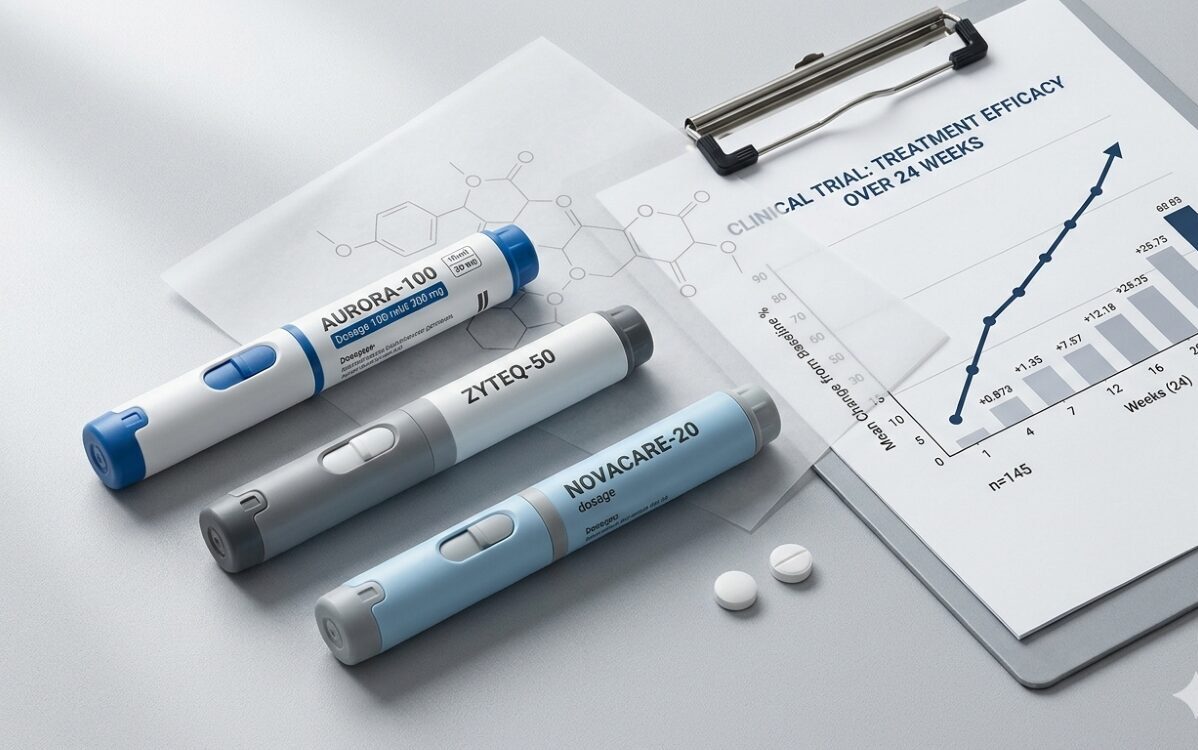
CagriSema FDA Review: Novo Nordisk NDA Timeline Explained
The CagriSema FDA review has become one of the most closely watched regulatory processes in metabolic medicine. Novo Nordisk filed a New Drug Application for its once-weekly obesity combination in December 2025, and a decision is widely expected in the final quarter...
Life Science Daily News: Eight Months of Growth and a Global Community Taking Shape
Editor’s note: This article reflects our plans and pricing as at July 2026. For current publishing options, see our Join and Publish page. Life Science Daily News launched in November 2025 with a simple premise: that researchers, biotech founders, healthcare...

The Evidence Gap in Precision Prevention
Preventive medicine is entering a new era. Advances in genomics, biomarker testing, continuous monitoring technologies, imaging, and data analytics are enabling clinicians to identify disease risk with a level of precision that would have been unimaginable just a...

Are Animal Models Limiting Progress in Product Development?
While animal models have played a central role in safety assessment and biological research for decades, advances in cellular biology, computational modelling, and micro physiological systems are prompting scientists to explore new ways of generating human-relevant...

Daraxonrasib FDA Filing: What Happens Next for Pancreatic Cancer Patients?
The daraxonrasib FDA filing is nearing completion, marking a pivotal regulatory moment for patients with metastatic pancreatic ductal adenocarcinoma (PDAC). Revolution Medicines announced on 7 July 2026 that its rolling submission of a New Drug Application (NDA) to...

Digital Twin: The Future of Pharmaceutical Manufacturing Science
Pharmaceutical manufacturing is entering a new scientific era. For decades, the industry has relied on validated processes, fixed control strategies, laboratory testing and carefully documented batch records to prove that medicines are made consistently and safely....

How AI-Enabled Functional Precision Oncology Is Personalizing Treatment
When the Standard Playbook Runs Out In pediatric and adult oncology alike, there is a recognizable moment when the standard treatment playbook is exhausted. For patients with rare, relapsed, or treatment-resistant cancers, guidelines built for the common case offer...

The Infrastructure Gap Behind the GLP-1 Boom
The rapid rise of GLP-1 medications has transformed healthcare delivery in ways few therapeutic categories have achieved in recent decades. Originally developed to help manage type 2 diabetes, GLP-1 receptor agonists such as semaglutide and tirzepatide have become...

How Climate Change is Redrawing Europe’s Disease Landscape
The impact of climate change is usually discussed in terms of heatwaves and floods. While less visible, its impact on infectious diseases is equally consequential for public health. New data from the UK Health Security Agency (UKHSA) showing a surge in chikungunya...

A Path to Rebuilding American Manufacturing for Lab Consumables
Amid today's geopolitical tensions, supply chain vulnerability is emerging as an increasingly central concern, and, in the case of life science consumables, one that places the health of the public at risk. The issue itself, however, is far from new. In December 2020...
Further News
Want to Be Part of the Next Chapter in Life Sciences Media?
LifeScienceDaily.news is building a new kind of platform where innovators, researchers, and industry leaders tell their own stories and shape the narrative of what’s next in life sciences. Share your story and lead the conversation.
Don’t wait for the media to pick up your story. Be the media.
See More Articles







Want to Be Part of the Next Chapter in Life Sciences Media?
LifeScienceDaily.news is building a new kind of platform where innovators, researchers, and industry leaders tell their own stories and shape the narrative of what’s next in life sciences. Share your story and lead the conversation.