

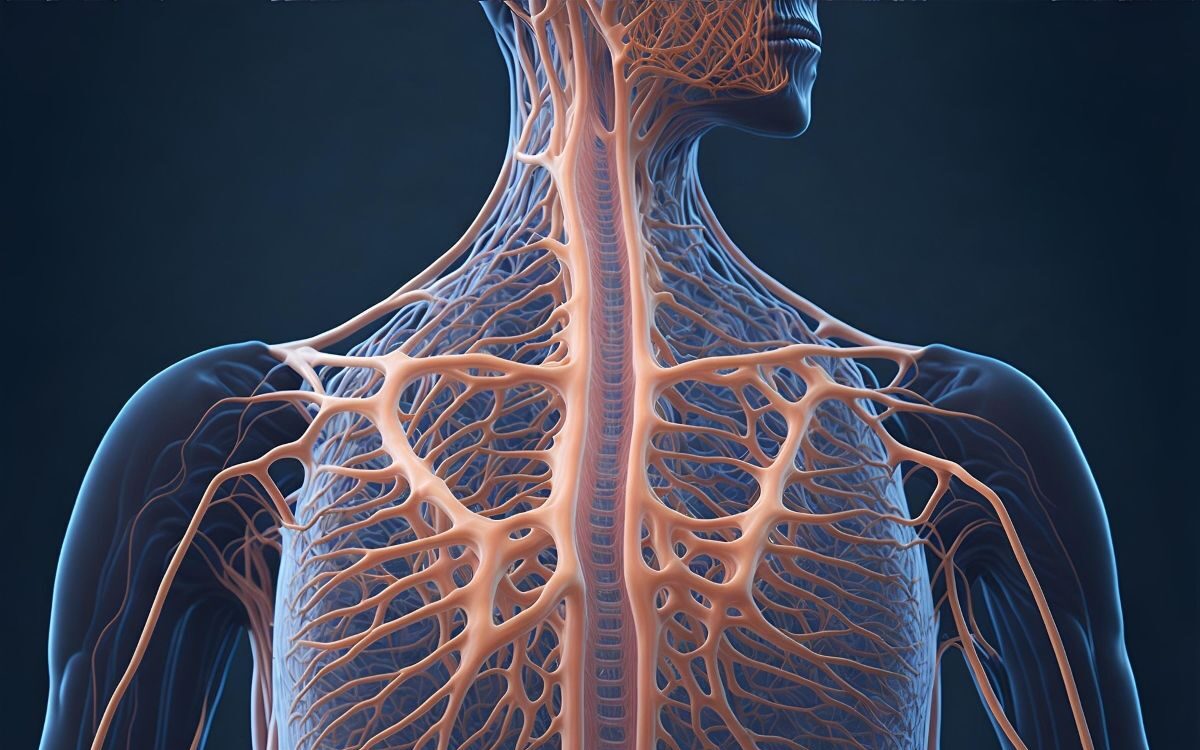
Precision medicine has been positioned as one of the most promising evolutions in modern healthcare. Gene panels. Liquid biopsies. Microbiome-targeted therapies. Multi-omics integration. The premise is compelling: the more precisely we can characterize biological variation, the more precisely we can match interventions to the individual.
In many ways, that premise has held. Advances in molecular profiling, biomarker discovery, and targeted therapeutics have improved diagnostic accuracy and expanded treatment options across oncology, metabolic disease, and beyond.
And yet, outcomes remain inconsistent.
Patients receiving the same “precisely matched” therapy can experience vastly different responses, ranging from meaningful improvement to minimal effect. Or, in some cases, an inability to tolerate the intervention at all. These discrepancies are often attributed to gaps in data or the need for further stratification.
But there may be another explanation: Not a failure of precision, but a limitation of scope.
What if we’re missing a layer?
The Static Model vs. the Dynamic System
Much of precision medicine operates on a fundamentally static framework. Genetic variants, biomarker panels, and molecular signatures are typically measured at a single point in time and used to guide treatment decisions. These data are invaluable but they do not fully capture the fluid, adaptive nature of human physiology.
The body is not static. It is continuously responding to internal and external inputs—sleep, stress, nutrition, circadian rhythms, environmental exposures. These inputs influence metabolic function, immune activity, and gene expression in real time.
In other words, everything in between the test and the treatment matters.
Over time, this constant physiological demand accumulates into allostatic load—the cumulative “wear and tear” on the body from repeated or chronic stress responses.1 When allostatic load is elevated, regulatory systems become less flexible, less efficient, and less capable of mounting appropriate responses to new inputs—including treatment.
So while two patients may appear identical on paper, they are not necessarily equivalent in their capacity to respond.
Allostatic Load and Treatment Variability
The implications of allostatic load extend far beyond general health—they directly shape treatment outcomes.
Chronic stress and physiological dysregulation have been shown to influence:
- Immune function, including inflammatory signaling and immune surveillance2
- Metabolic pathways, affecting glucose regulation and energy availability3
- Neuroendocrine balance, particularly cortisol and catecholamine activity1
- Drug metabolism, via effects on hepatic enzyme systems and systemic inflammation4
In oncology, elevated stress biomarkers have been associated with altered tumor progression and reduced treatment efficacy.5 In metabolic disease, chronic stress can exacerbate insulin resistance and blunt responsiveness to both lifestyle and pharmacologic interventions.3
These are not peripheral effects. They reflect shifts in how the body processes, tolerates, and responds to therapy.
And yet, they are rarely accounted for in precision medicine models.
Circadian Biology and Temporal Mismatch
But physiology is not only about state—it’s also about timing.
Circadian rhythms regulate a wide range of biological processes, including hormone secretion, immune function, metabolism, and gene expression.6 When these rhythms are aligned, they support physiological stability. When they are disrupted, the effects extend far beyond fatigue.
Circadian misalignment has been linked to:
- Impaired glucose metabolism and increased metabolic risk7
- Altered pharmacokinetics and pharmacodynamics8
- Disruptions in microbiome composition and function9
There is also growing evidence from chronotherapy research that the timing of treatment administration can influence both efficacy and toxicity.10
So even when we “get the biology right,” the context in which that biology is operating still matters.
Energy Availability and the Capacity Constraint
We often frame adherence as a behavioral issue—patients don’t follow protocols, forget medications, or fail to implement recommendations.
But that framing assumes something we don’t always verify: capacity.
Energy availability, sleep quality, cognitive load, and nervous system regulation all influence whether a patient can engage with treatment, not just whether they intend to. When these systems are compromised, adherence becomes more difficult. Not due to lack of motivation, but due to physiological limitation.
Across chronic disease populations, adherence rates for long-term therapies often fall below 50%.11
Arguably, physiology may account for more of that variability than we acknowledge. Fatigue, brain fog, and systemic dysregulation are not minor inconveniences—they directly affect execution.
Before labeling non-adherence, it’s worth asking a different question: Is the system capable of responding?
The Nervous System, Inflammation, and the Microbiome
The autonomic nervous system adds another layer of complexity.
The balance between sympathetic (“fight or flight”) and parasympathetic (“rest and digest”) activity regulates processes ranging from inflammation to digestion to immune function.¹² Chronic sympathetic activation has been associated with:
- Increased systemic inflammation13
- Altered gut permeability and microbiome composition14
- Impaired digestion and nutrient absorption12
This becomes particularly relevant as precision medicine expands into microbiome-based therapeutics and metabolic interventions.
Because treatments do not operate in isolation; they operate within a system.
And that system may or may not be in a state that supports their effectiveness.
Biomarkers vs. Readiness
Biomarkers are central to precision medicine. They provide measurable indicators of biological processes and guide clinical decision-making.
But biomarkers are, by definition, snapshots.
They tell us what is happening—but not always what the system is ready for.
A patient may meet every molecular criterion for a given therapy and still lack the physiological resilience to respond effectively. In this context, the intervention may be technically appropriate, but biologically mistimed.
This gap—between eligibility and readiness—is where precision begins to lose predictability.
Toward a More Complete Model of Precision
Precision medicine has made remarkable strides in refining how we understand disease at the molecular level. But as the field evolves, there is an opportunity to expand its framework—not by replacing existing approaches, but by extending them.
Incorporating factors such as allostatic load, circadian alignment, energy availability, and nervous system regulation does not diminish the importance of genomics or biomarkers. It contextualizes them.
In practice, this could mean:
- Assessing physiological stress load alongside molecular markers
- Considering circadian timing in treatment protocols
- Evaluating patient capacity as part of adherence planning
- Recognizing the bidirectional relationship between behavior and biology
These are not radical shifts but necessary ones.
Precision medicine has advanced our ability to target disease with remarkable specificity. But specificity alone does not guarantee outcome.
The variability we continue to observe may not signal a failure of precision but merely a limitation of scope.
Because the question is not only: Is this the right intervention?
It is also: Is the system able to respond to it?
And ultimately, true personalization requires both.
Author Bio

Leilani Rose is a writer and integrative health strategist whose work explores how physiology, stress, and physiological capacity shape energy, behavior, and sustainable health. She is the founder of Elume and creator of the Body-Driven approach, translating research in physiology and behavioral science into practical frameworks for real-world application.
The views expressed in this article are those of the author and do not represent the editorial position of Life Science Daily News. Contributors may have a commercial interest in the topics they write about. For more information see our Contributor Policy