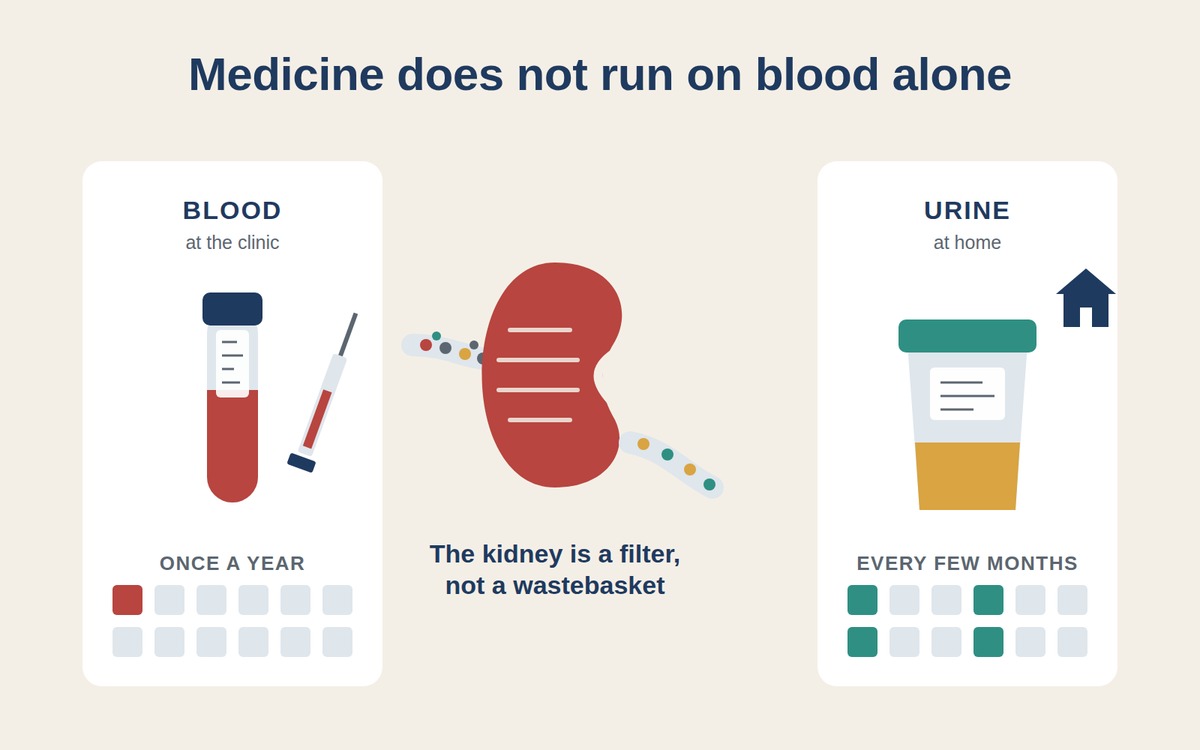
Prevention-first urine diagnostics will depend not only on how accurately we can measure disease, but on how often and how easily people can be tested.
Blood is medicine’s default diagnostic medium for good reasons. It circulates through the whole body, carries a dense mixture of biological information, and is backed by decades of clinical standards and infrastructure. But familiarity can harden into dogma. The belief that “real medicine runs on blood” is not a biological law; it is the product of a healthcare system built largely to investigate illness after a patient enters a clinic.
Prevention and early detection pose a different design problem. Testing must reach people who feel well, work repeatedly rather than once, and minimize collection friction. In that setting, the specimen is not merely a container for a biomarker: it is part of the test’s clinical performance.
Challenging the convention
Blood is an excellent matrix, but not a neutral window onto every disease. The circulation is tightly regulated, and early pathological changes may be transient, dilute, or obscured by abundant background molecules. Venipuncture also requires trained personnel and a clinical encounter. Those constraints matter when the objective shifts from diagnosing symptomatic disease to monitoring large populations over time.
Urine offers a complementary view. It can be collected non-invasively, in relatively large volumes, and at home. Unlike blood, urine is not held within narrow homeostatic limits; its molecular composition changes as physiology changes.[1] That sensitivity is both an opportunity and a complication: hydration, collection time, kidney function, diet, medications, storage, and normalization all affect a result. Urine is not superior to blood. It is a different matrix whose practical advantages suit longitudinal testing.
The biological case for urine diagnostics
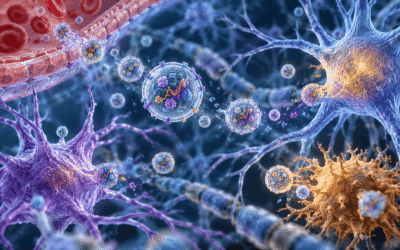
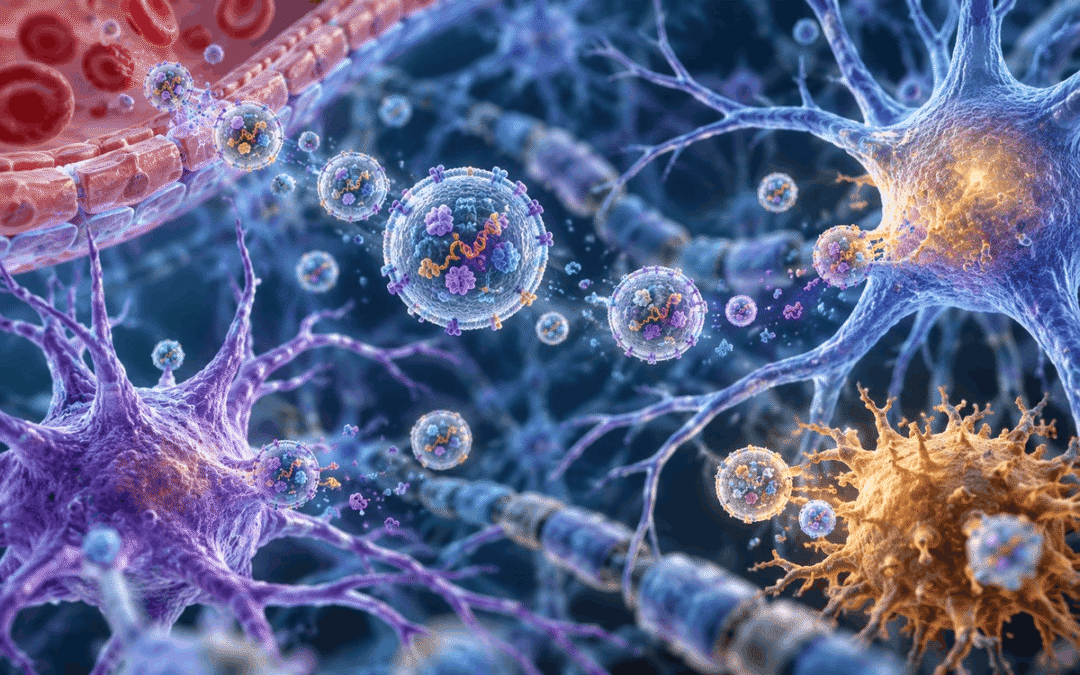
Urine is often described as waste, but biologically it is a processed record of the body. The kidneys filter circulating material, selectively reabsorb and secrete molecules, and concentrate what remains. The result contains metabolites, proteins, cell-free nucleic acids, and extracellular vesicles carrying RNA and other cargo.
This does not mean that every tumor sheds material that is simply filtered into urine. Larger urinary vesicles arise predominantly from the kidney and urinary tract, and a distant tumor may influence a urinary signature through circulating molecules, systemic responses, tumor-microenvironment signals, and renal processing. Diagnostically, what matters is whether a reproducible disease-associated pattern survives that journey. Enriching urinary extracellular vesicles in the lab can increase the recoverable signal, but that does not prove the kidney selectively captures tumor material.[2]
Pancreatic cancer is a demanding test of whether cancer can be detected in urine, because the pancreas is anatomically remote from the urinary tract. Multiple groups, working independently and with different biomarker classes, have now shown that urine carries information about this cancer. A multicenter protein study found that urinary LYVE1, REG1A, and TFF1 distinguished pancreatic ductal adenocarcinoma from healthy controls, with an area under the receiver operating characteristic curve (AUC) of 0.921 in validation.[3] A later panel, combined with plasma CA19-9, reached an AUC of 0.89 one year and 0.77 two years before diagnosis in prediagnostic samples from 99 people who went on to develop the disease and 198 matched controls.[4]
Metabolomics offers a second line of evidence. Nuclear magnetic resonance profiling of urine from 92 patients with pancreatic ductal adenocarcinoma and 56 healthy controls identified a six-metabolite signature, including trigonelline, hippurate, and myoinositol, with an AUC of 0.933 in discovery, 0.864 on validation, and 0.897 for stage I and II disease.[5]
Urinary RNA points the same way. An independent study of miR-210-3p reported an AUC of 0.79, 82.8% sensitivity, and 74.3% specificity in a validation cohort of 58 cases and 35 healthy controls.[6] Together, these findings from different investigators support a basic conclusion: urine can carry clinically informative signals from a non-urological cancer.
The strongest recent evidence comes from a multi-institutional Japanese case–control study of urinary extracellular-vesicle microRNA published in eClinicalMedicine. Investigators enrolled 153 people with pancreatic cancer from five hospitals and 309 participants without cancer from two clinics. In the independent test set of 54 cancer cases, including nine stage I/IIA cases, and 93 non-cancer controls, the model achieved an AUC of 0.963, 77.8% sensitivity overall, 77.8% sensitivity for stage I/IIA disease, and 95.7% specificity.[7] Two caveats accompany those numbers. The early-stage confidence interval was wide (44.2% to 95.9%) because only nine early cancers were in the test set. And although CA19-9 sensitivity was 37.5% among the 40 stage I/IIA cancers measured in the full study, CA19-9 was not measured in the non-cancer controls, so this was not a head-to-head comparison.
A second study asked the harder question: whether the same approach separates cancer from the people most likely to be screened for it. Investigators at five Japanese institutions profiled urinary extracellular-vesicle microRNA in 246 samples, comparing 137 pancreatic ductal adenocarcinomas against 109 high-risk individuals with ductal dilation, type 2 diabetes, chronic pancreatitis, pancreatic cysts, intraductal papillary mucinous neoplasm, or a family history. Against that comparator, the model reached an AUC of 0.89, with 80% sensitivity, 79% specificity, and 73% sensitivity for stage 0-IIA disease.[8] Performance falls when controls have pancreatic abnormalities of their own, and that is the realistic comparison.
A signal hiding in plain sight
The history of microRNA reminds us that clinically important biology can go unrecognized for decades. When Victor Ambros and colleagues reported in 1993 that the C. elegans gene lin-4 encoded not a protein but a tiny regulatory RNA, the finding was widely treated as a curiosity of worm development.[9] Only later did it emerge that hundreds of microRNAs tune gene expression in nearly every human tissue, that their patterns shift in cancer, and that they circulate in blood and urine in remarkably stable forms. In 2024, Ambros and Gary Ruvkun received the Nobel Prize in Physiology or Medicine for the discovery.[10]
That arc, in which an overlooked signal becomes a mainstream tool, is the right frame for urine diagnostics. It took thirty years for microRNA to move from a worm genetics paper to Stockholm, and translating it into routine clinical use remains a work in progress. In the United States, several urine-based tests for urothelial cancer hold FDA approval, but no urine test for pancreatic cancer or any other non-urological cancer has been approved or cleared, and the studies above are validation-stage evidence rather than proof of clinical utility.
Frequency versus accuracy
Screening is a longitudinal intervention. A test’s value depends not only on per-sample sensitivity and specificity, but on whether people complete it at the recommended interval and whether positives lead to appropriate follow-up. A technically excellent test that is rarely taken may detect less disease than a less sensitive one people complete reliably. But repetition also compounds false positives, procedures, anxiety, and cost. Frequency cannot compensate for weak specificity or an unclear follow-up pathway.
Evidence from other self-sampling programs shows how collection changes participation. In a Japanese randomized trial of more than 15,000 women overdue for cervical screening, an at-home HPV self-sampling option raised uptake from 6.4% to 20.0%, yet fewer than half of those with a positive self-sample completed the recommended cytology triage.[11] Convenience opened the front door but did not complete the clinical pathway. Urine-based early detection faces the same systems challenge: access, interpretation, confirmation, and treatment must be designed together.
Earlier is not automatically better
The strongest case for early detection rests on whether it helps people live longer. Finding cancer sooner may allow curative treatment, but longer survival after diagnosis does not necessarily mean a longer life. Lead-time bias makes survival appear longer simply by starting the clock earlier. Overdiagnosis detects lesions that would never have caused symptoms or death.[12] This concern is smaller for pancreatic cancer than for prostate or thyroid cancer because indolent pancreatic disease is rare. Even so, false positives can lead to additional imaging, endoscopic ultrasound or biopsy, and substantial anxiety. These potential harms, weighed against uncertain evidence that screening extends life, underpin the US Preventive Services Task Force’s recommendation against screening for pancreatic cancer in asymptomatic adults who are not known to be at high risk.
No urine-based pancreatic cancer assay has yet shown reduced cancer mortality in a population-screening trial. That absence should not end development, but it should shape claims and study design. The next studies must prospectively evaluate intended-use populations, prespecify thresholds, track false positives and diagnostic cascades, measure adherence across rounds, and determine whether testing reduces late-stage disease, morbidity, or mortality. High-risk groups offer a rational setting for staged evaluation before average-risk screening is considered: hereditary syndromes, familial clustering, or new-onset diabetes in later life.
What adoption will require
Physicians will need an interpretable result tied to a clear next action. Regulators will need a defined intended use and evidence of analytical and clinical validity. Payers will ask whether testing improves outcomes or uses resources better, not merely whether an algorithm separates archived cases from controls. Clinical utility bridges accuracy and adoption.[13]
The field of urine diagnostics must also standardize collection timing, preservatives, shipping, storage, normalization, vesicle isolation, and how it handles kidney disease and other confounders.[2] And the likely future is complementary rather than winner-take-all: an accessible urine test as a repeatable first-line signal, with blood, imaging, or tissue to localize and confirm.
The convention that serious diagnostics must begin with blood reflects the medicine we inherited. Prevention-first medicine demands a broader toolkit. The important question is not whether urine can replace blood. It is whether each biological matrix is matched to the clinical job it can do best, and whether the resulting program ultimately helps people live longer and better.
Author Bio