

The UK life sciences sector is entering an important phase of growth. The Government’s Life Sciences Sector Plan sets an ambition for the UK to become the leading life sciences economy in Europe by 2030 and the third globally by 2035. It also reports that the sector employed 304,200 people in 2021/2022 and generated £108.1 billion in turnover. [1]
For founders, research teams, investors and leadership groups, this creates a dual challenge. The opportunity is significant, but so is the complexity of moving from scientific discovery to sustainable commercial delivery.
A life sciences organisation rarely grows in a straight line. Each stage can alter the organisation’s risk profile.
The challenge is that risk planning often trails behind scientific and commercial progress. For organisations working across biotechnology, pharmaceuticals, diagnostics, medical devices, health technology and clinical research, that can create avoidable exposure at the point where momentum matters most.
Risk changes as life sciences organisations scale
In the earliest stages, many life science businesses focus on protecting research, attracting funding, retaining talent and proving a scientific or technical concept. The risks at this point may include laboratory disruption, loss of specialist materials, intellectual property uncertainty, cyber incidents, contractual obligations and dependence on a small number of key individuals.
As the organisation grows, the exposures become broader. Clinical trials introduce participant safety, protocol compliance, data integrity, site performance and sponsor responsibilities. Manufacturing introduces contamination, recall, quality control, supplier failure and product liability risk. Commercial distribution adds jurisdictional issues, local regulation, labelling, logistics and partner oversight.
By the time a business is preparing for a funding round, licensing agreement, strategic partnership or acquisition, risk management is no longer only about protection. It can influence valuation, investor confidence, due diligence and the organisation’s ability to scale.
That matters because commercialisation and adoption are recognised challenges for UK life sciences. The Government’s Sector Plan notes that, despite the UK’s strength in discovery and pharmaceutical R&D, the sector has historically struggled with commercialisation and adoption. [2]
Clinical trials bring operational and reputational exposure
Clinical trials are a critical route to evidence and investment. They are also one of the points where risk becomes more visible.
Protocol deviations, data integrity issues, delayed recruitment, ethics requirements, site performance, trial interruption and a poorly maintained Trial Master File (TMF) can all carry consequences. A trial can be scientifically robust but commercially vulnerable if roles, responsibilities and indemnities are not clearly aligned between the parties involved.
This becomes particularly important where sponsors, contract research organisations, universities, NHS trusts, laboratories, manufacturers and overseas sites are all part of the same trial ecosystem. Each party may have a different role and responsibility. Those responsibilities need to be reflected clearly in contracts, governance processes and risk transfer arrangements.
The Sector Plan makes clinical trial speed a headline priority, with a target to reduce commercial interventional clinical trial set-up times to 150 days or less by March 2026. The latest UK Clinical Research Delivery key performance indicators (data to March 2026) show the average time has fallen from 169 days to 122 days when comparing the same 6-month period this year to last.
Faster trial set-up is important for competitiveness, but speed should not come at the expense of clarity around accountability, participant protection and operational readiness [3]. The Medicines and Healthcare products Regulatory Agency (MHRA) have recently launched the Medicines for Human Use (Clinical Trials) (Amendment) Regulation 2025 which came into force 28 April 2026 which will help speed up clinical trial set up times and provides an extensive framework of expectations when running a clinical trial. [4]
Product liability begins before market launch
Product-related exposure does not begin only when a product reaches the market. It can arise during design, development, testing, manufacturing, storage, distribution, labelling and early access programmes.
The consequences of a product-related issue can include product recall, regulatory investigation, reputational damage, commercial delay and loss of confidence among partners or investors.
This is relevant across diagnostics, medical devices, digital health tools, pharmaceuticals, biologics, laboratory products and components supplied into another organisation’s product. Even where a company does not manufacture the final product itself, it may still have exposure.
The MHRA regulates medicines, medical devices and blood components for transfusion in the UK. Its responsibilities include ensuring applicable standards of safety, quality and efficacy, securing safe supply chains and enabling innovation that benefits public health. [5]
Risk planning in this area should therefore be practical and cross-functional. Scientific, regulatory, legal, quality, commercial and board-level teams all have a role to play.
Intellectual property is both an asset and a source of dispute
For many life sciences organisations, intellectual property is among the most valuable assets they hold. It may also be one of the most contested.
Patent disputes, licensing disagreements, trade secret issues, alleged infringement and ownership questions can arise at several stages
The commercial effect can be significant. Even where an organisation has a strong position, the cost and time involved in defending that position can be material. For earlier-stage organisations, an unresolved intellectual property issue may affect funding, partnership negotiations or exit planning.
GOV.UK guidance notes that intellectual property can include names of products or brands, inventions, product design, proprietary technologies, scientific innovations and other original works created by a business. It also notes that some forms of protection are automatic while others require an application. [6]
This is why intellectual property should not sit in isolation. It needs to be considered alongside the organisation’s wider commercial strategy.
Supply chain and digital dependency need closer scrutiny
Life sciences organisations are often part of specialist and highly interdependent supply chains. They may rely on specific laboratory consumables, active pharmaceutical ingredients, cold-chain logistics, sterile manufacturing, specialist packaging, overseas suppliers or single-source components.
A delay at one supplier can affect trials, launches, regulatory timelines and revenue forecasts.
The risk is not limited to physical supply. Digital dependencies are increasing too. Cloud platforms, patient data systems, connected devices, AI tools and outsourced IT providers can all become critical to delivery.
The National Cyber Security Centre warns that supply chains can be large and complex, with vulnerabilities introduced or exploited at any point, and that vulnerable supply chains can cause damage and disruption. [7]
For leadership teams, a useful test is simple: what would stop the organisation from operating, and how long could it continue if that happened? That question should be asked before an incident occurs.
Artificial Intelligence introduces new governance challenges
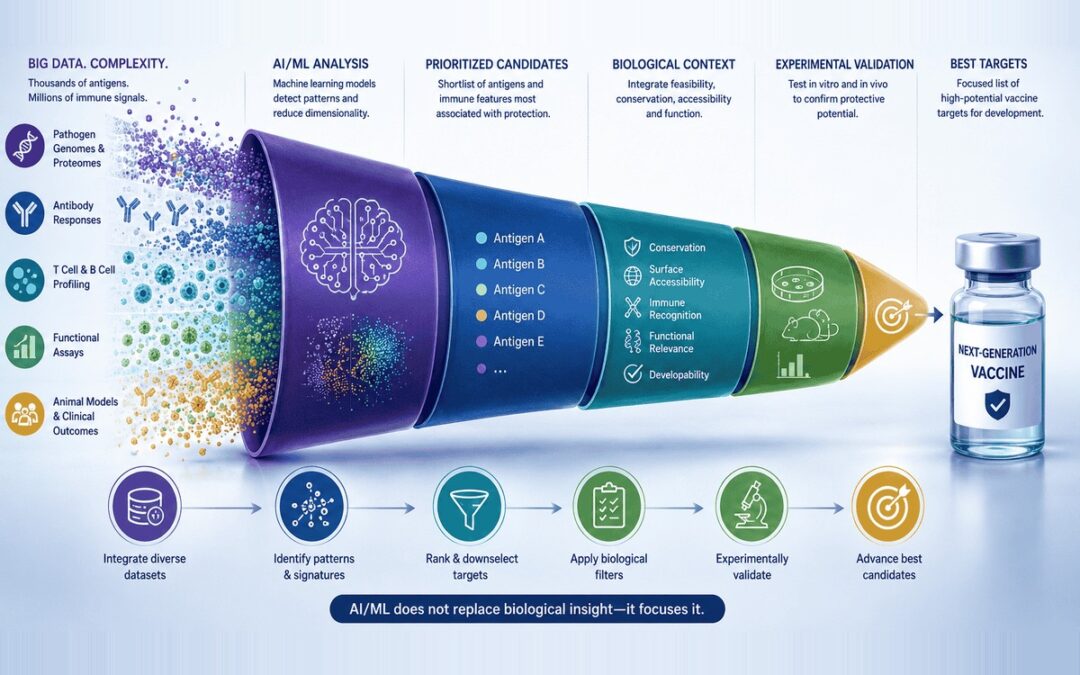
Artificial intelligence is rapidly becoming a key enabler across the life sciences sector, supporting everything from drug discovery and clinical trial design to regulatory compliance, data analysis and operational efficiency. However, AI adoption presents both opportunities and risks.
One emerging challenge is the rise of “shadow AI”, where employees use publicly available AI tools without formal approval or oversight. In the absence of clear governance frameworks, organisations may be unaware that sensitive data, intellectual property or confidential information is being shared with AI platforms. This can create significant risks relating to data protection, confidentiality, regulatory compliance and intellectual property ownership.
At the same time, failing to embrace AI carries its own strategic risk. As competitors increasingly leverage AI to accelerate research, reduce costs and improve decision-making, organisations that are slow to adopt these technologies risk losing competitive advantage, reducing productivity and falling behind market leaders.
To manage these competing risks, life sciences companies should establish clear AI governance policies that define acceptable use, data handling requirements, accountability structures and human oversight mechanisms. Employee training is also essential to ensure AI is used responsibly and in accordance with regulatory and ethical standards. [8]
International growth can alter the risk profile quickly
Many UK life sciences organisations have international ambitions from an early stage. However, international activity can materially change the risk profile. The US, in particular, can create higher liability exposure and different expectations around contracts, litigation and regulatory expectations. Arrangements made for UK activity may need to be reconsidered for overseas operations.
Before entering new markets, organisations should consider where products or services will be used, where contracts are governed, where claims or disputes could arise, which party controls key data or quality processes, and how accountability is allocated.
This is particularly important where a business is moving quickly to secure investment, sign a distribution agreement or support a larger strategic partner. Risk planning should not be left until the final stages of negotiation.
Preparedness is part of commercial maturity
The best risk management does not make life sciences organisations more cautious. It helps them move forward with greater clarity.
A well-structured approach can support funding conversations, strengthen due diligence, improve contractual resilience and reduce the likelihood of unexpected gaps in responsibility. It can also help leadership teams focus on the risks that matter most at each stage of growth.
The disciplines that matter will vary by stage. There is no single template. A diagnostics start-up, a clinical-stage biotech, a MedTech manufacturer and a health data platform may all sit within the same broad sector, but their exposures can be very different.
That is why risk planning needs to be specific and reviewed regularly. It should evolve as the company evolves.
The next phase of life sciences growth will reward preparedness
The UK has significant strengths in science, research, clinical expertise and innovation. But turning discovery into commercial success requires more than technical excellence. It requires the ability to manage uncertainty across funding, regulation, trials, manufacturing, partnerships and international growth.
For life sciences businesses, the transition from laboratory to market is exciting at each stage of development. It is also one of the most risk-sensitive.
Organisations that understand this are better placed to protect their work, maintain momentum and build confidence with investors, partners and customers.
Risk will always be part of innovation. The priority is making sure it is understood, owned and managed before it becomes a barrier to progress. Organisations that invest early in the risks involved in governance, quality systems, information management and operational oversight are typically better positioned to scale efficiently, satisfy investors and demonstrate regulatory confidence.
Author Bio