I like to call myself a conduit between ancient healing wisdom and modern life. I came to the US thirty years ago to be trained as a pathologist, but I grew up among generations of herbalists. My family roots and my research background have shaped how I view the current market trends in traditional botanicals. My deep roots in Traditional Chinese Medicine taught me that these plants carry centuries of mindful observation through trial and error. The lab research training taught me that observation is where a scientific question starts, not where it ends.
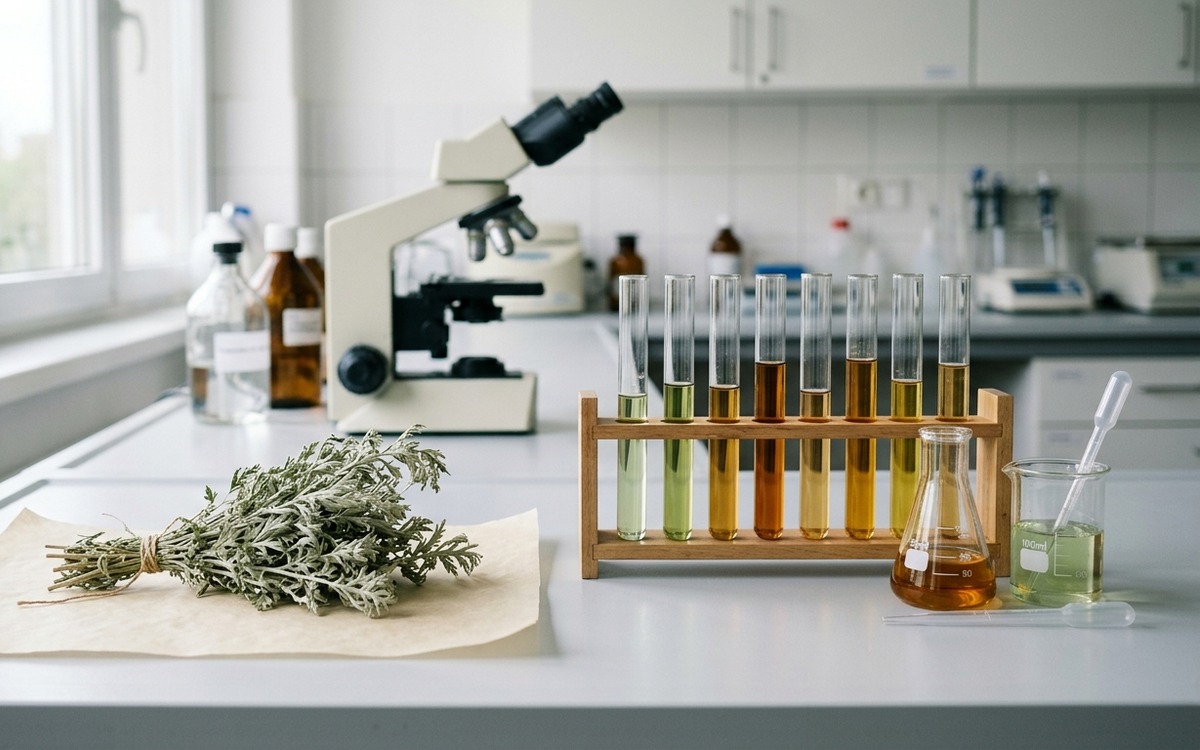
A good example is artemisinin. In the late 1960s, Tu Youyou and her team in Beijing screened thousands of traditional remedies while looking for a malaria treatment. Extracts of qinghao (Artemisia annua) looked promising; however, as with many studies using plant extracts, the team kept getting inconsistent results. Tu then turned to a 4th-century book by Ge Hong, which described soaking qinghao in water, wringing out the juice, and drinking it.
The absence of heating caught her attention, since most traditional Chinese herbs are prepared by boiling. Her team reasoned that high temperatures during extraction might destroy the active compound. They then switched to a low-temperature extraction method and got a consistent, highly active extract. That work led to artemisinin-based therapies and won Tu a share of the 2015 Nobel Prize in Physiology or Medicine. [1]
In this example, the old text supplied a lead and a practical hint. Everything after that came from chemistry and years of clinical testing. Nobody would have accepted “an ancient book says so” as proof that artemisinin treats malaria, and nobody needed to.
What happens when herbs are misused?
As a pathologist, I also see the other outcome my ancestors wouldn’t have seen when herbs are misused. Here is a classic example: In the early 1990s, nephrologists in Brussels noticed young women with rapidly progressive kidney failure. The common thread was a weight-loss regimen from one clinic that included Chinese herbs. [2]
Investigators found that Stephania tetrandra, known in Chinese as han fang ji, had been replaced with Aristolochia fangchi, known as guang fang ji. The near-identical names made the swap easy. Aristolochia contains aristolochic acid, which damages the kidney and is also carcinogenic.
More than 100 patients developed what was first called Chinese herb nephropathy, and many needed dialysis or a transplant. A 2000 report in the New England Journal of Medicine found urothelial carcinoma in 18 of the 39 patients with end-stage disease who agreed to have their native kidneys and ureters removed. [3]
None of that reflected the traditional use of Stephania. The plant was wrong, the combination and dosing came from modern marketing, and the regimen had little rigorous research behind it. That is exactly why the case matters. A wisdom tradition describes a specific plant, a specific part, prepared a specific way, at a specific amount. Change any of those, and the tradition no longer describes what is in the bottle. However, many marketers are eager to tap into the “traditional healing” trend and create formulations without any deep understanding of the wisdom behind these “magical remedies.”
Where does traditional use earn its place in research?
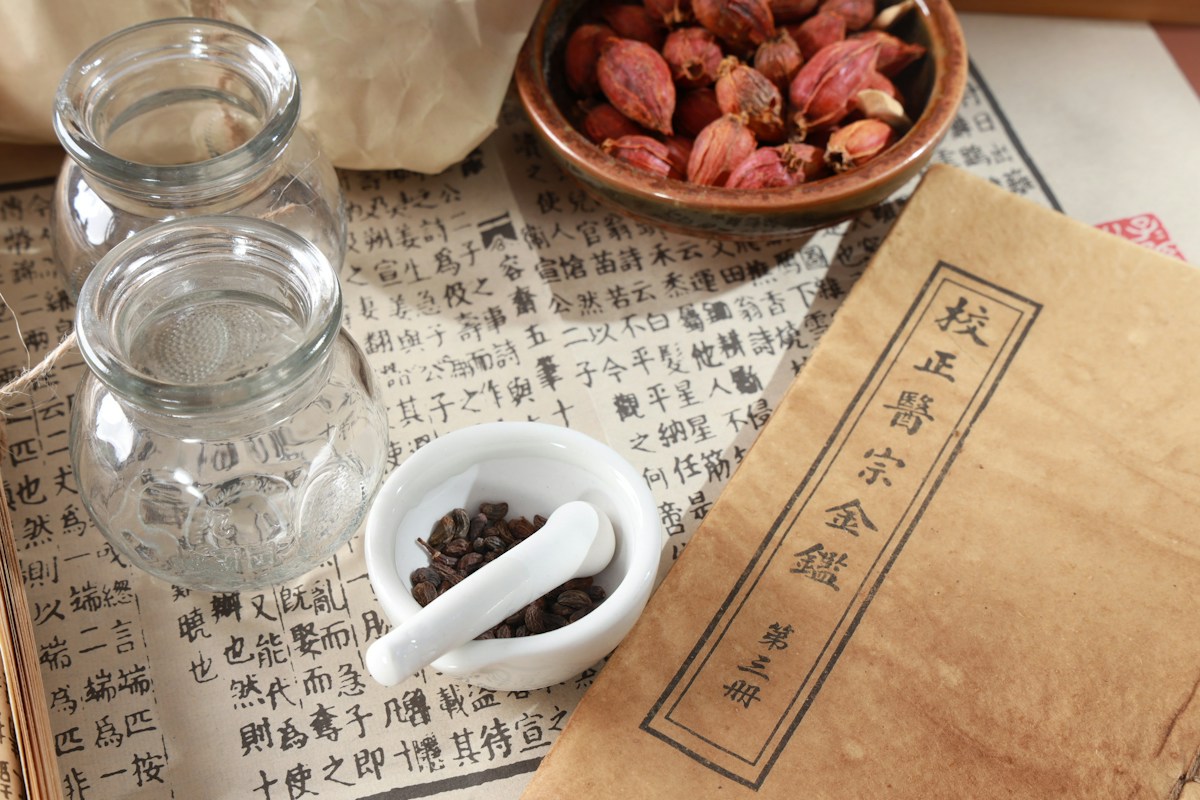
Photo: 金 运 on Unsplash
My take is that a long history of use is one of the most meaningful screening signals we have. It tells a researcher that, in a given form, many people have eaten the plant for many generations without obvious harm. It can help narrow the search scope, as it did for Tu. It often records preparation methods that matter chemically, such as fermentation, cooking, or pairing with other ingredients.
For food scientists, it also serves as a regulatory starting point. In the United States, a substance can be generally recognized as safe (GRAS) through scientific procedures or, for substances used in food before 1958, through experience based on common use in food. FDA’s rule at 21 CFR 170.30 allows that experience to come from use outside the United States when it is well documented and reflects consumption by a significant number of people. [4]
In the European Union, the novel food regulation (EU 2015/2283) offers a notification route for traditional foods from third countries. It requires at least 25 years of safe use as part of the customary diet of a significant number of people in at least one country outside the EU. [5]
However, both frameworks share a limit: history counts as evidence of safety at traditional forms and levels of use, and not as evidence that a food does something specific for your health.
Where does traditional use mislead?
Identity can easily be the first failure point, and it is not only a historical problem. Common names overlap across languages and regions, related species look alike once dried, and supply chains are long and sometimes volatile. Even the modern detection methods, such as microscopy, chemical fingerprinting, and DNA methods, all have strengths and blind spots.
The testing literature has documented this detection problem. In 2024, BMC Medicine retracted a widely cited 2013 DNA barcoding study reporting high rates of substitution in herbal supplements. [6] Good botanical science needs the same rigor in testing methods as in testing the products.
When I learned to prepare herbal remedies in my grandparents’ kitchen, they told me to pay attention to the right plant parts and use the right preparation. For example, Schisandra berries (wu wei zi), mulberry fruit (sang shen), and goji have long been eaten as foods in East Asia. That history covers the whole fruit, not a highly concentrated extract. A cup of tea brewed from dried fruit and a capsule standardized to one marker compound are different exposures, and the tradition only speaks to the first.
Geography often gets blurred in the marketing messages too. Not every “ancient” botanical belongs to the tradition a label implies. Aronia is native to eastern North America and was cultivated in Eastern Europe during the 20th century. It has its own food history, and we should describe it accurately while respecting the traditions it does not belong to.
Then there is how the evidence was collected. Much of the research on traditional food botanicals is preclinical. A thorough 2008 review of schisandra by Panossian and Wikman in the Journal of Ethnopharmacology gathered decades of Russian research, much of it in cell and animal models, alongside human studies that varied widely in design. [7] That body of work justifies more research but not telling a consumer what the berry will do for them.
What does this mean for those of us who make food?
I run a beverage company that uses traditional botanicals from the food tradition I grew up with, so I hold myself to this standard.
The honest way to talk about traditional botanicals is to say where they come from, how they have been prepared and eaten, and what the research does and does not show. My simple rule of thumb: where an ingredient comes from is a fact, and what it does in the body is a claim. A claim needs human evidence in proportion to what it promises. When brands skip that step, they borrow credibility from traditions that deserve respect, and such marketing practices make it harder for researchers studying the same plants to be taken seriously.
Tu Youyou’s story is often told as proof that traditional medicine works. I read it differently: it shows that traditional knowledge can point a careful scientist toward a question worth years of work. The respect comes from doing that work.
Author Bio