

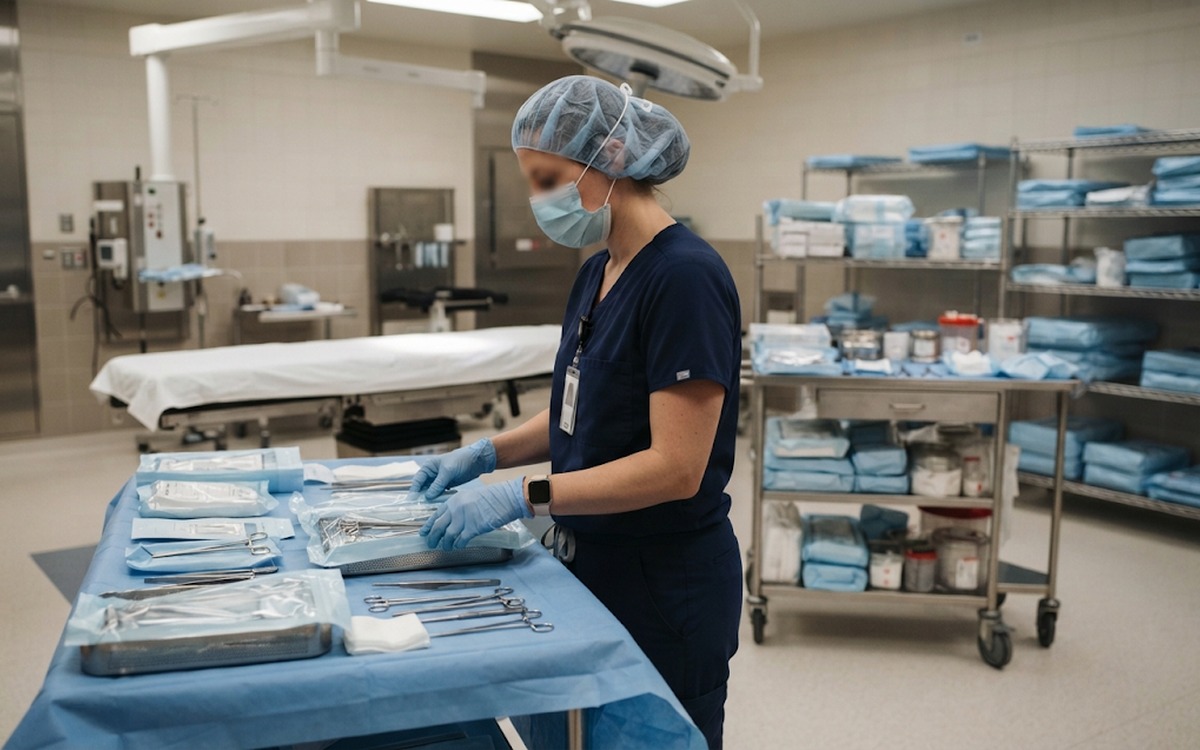
Hospital supply chain discussions typically focus on sourcing, procuring, and delivering the right medical supplies, equipment, and medications while maintaining patient safety and supply resilience. Yet these conversations often overlook the clinicians who rely on these products every day, nurses. As the frontline professionals navigating supply availability, product substitutions, and inventory inconsistencies, nurses have firsthand insight into where supply chains succeed and where they fall short. Involving them in supply chain decisions can help hospitals improve operational efficiency, reduce administrative burdens, and build systems that better support clinical workflows and patient care.
Connecting Clinical Workflows to Smarter Supply Chain Management
Hospitals increasingly depend on accurate data to guide inventory management, product utilization, and spending decisions. However, that data is only as reliable as the workflows used to capture it. When products are omitted, documented inconsistently, or entered after the fact, hospitals risk making decisions based on incomplete information. Research in the operating room has found that nurses’ timestamps for key surgical events were recorded incorrectly 17% of the time overall, rising to 38.4% when recording was delayed by more than 20 minutes [1].
Technology can improve visibility, but it cannot compensate for workflows that are difficult to maintain in busy clinical environments. Nurses already balance competing demands at the bedside, and documentation processes that add unnecessary steps can undermine data quality. The priority should be capturing accurate, timely information while taking documentation work off clinicians. Supply chain solutions must fit naturally into clinical practice to deliver insights hospitals can trust.
Bridging the Gap Between Hospital Supplies and Patient Care
Nurses see the day-to-day consequences of supply chain challenges firsthand. They navigate shortages, locate alternative products, and manage discrepancies that may never appear in traditional inventory reports. In high-acuity environments such as the operating room, these inconsistencies can disrupt established workflows and delay access to essential supplies.
When a product is unavailable at the point of care, even a brief interruption can affect clinical efficiency and potentially compromise patient care. Understanding these challenges requires looking beyond procurement metrics and inventory dashboards to consider how supplies are actually used. Nurses provide an essential perspective on whether supply chain processes work in real clinical settings and where improvements are needed.
How Supply Chain Inefficiencies Add to Nursing Workloads
Supply chain inefficiencies also contribute to the administrative burden facing nurses. Searching for missing supplies, tracking down products, working around outdated case preference cards, manually documenting items, and correcting inventory discrepancies all consume valuable time.
These challenges are especially significant as hospitals seek to optimize surgical and procedural operations, manage staffing pressures, and make better use of limited resources. Individually, these tasks may seem minor. Across hundreds or thousands of procedures, however, they add up, diverting clinicians from patient care and adding to their cognitive burden.
Supply chain improvements should therefore be evaluated not only by their impact on costs and inventory accuracy, but also by their ability to reduce the work required of clinical teams. The goal is not to help nurses complete administrative tasks more efficiently. It is to eliminate unnecessary tasks wherever possible so they can focus on caring for patients.
Practical Steps Hospital Leaders Can Take to Improve Supply Chain Performance
Improving hospital supply chain performance requires closer collaboration between nursing and supply chain teams. Hospital leaders should establish formal feedback loops that give frontline clinicians a meaningful role in identifying problems and shaping solutions.
Nurses should participate in product standardization initiatives and technology evaluations, bringing practical insight into how products and systems function in clinical environments. Hospitals should also create structured opportunities for nurses to report recurring issues, from missing supplies and unnecessary substitutions to inefficient documentation processes.
Organizations can further strengthen these efforts by measuring the time nurses spend on supply-related administrative tasks and evaluating those findings alongside inventory, utilization, and workflow metrics. This broader view helps leaders understand the operational and clinical consequences of supply chain inefficiencies, rather than focusing solely on procurement costs or inventory performance. A high-performing, patient-centered hospital supply chain is about more than ensuring products are purchased and delivered. It is about making sure clinicians have the right supplies available when and where they need them, without unnecessary barriers to care.
Nurses are uniquely positioned to identify where that connection breaks down because they experience these systems throughout every shift. By incorporating their perspectives into supply chain strategy, hospitals can improve data quality, strengthen workflows, and reduce administrative burdens. Ultimately, the strongest hospital supply chains do more than manage inventory. They enable clinicians to deliver safe, effective, high-quality patient care.
Author Bio