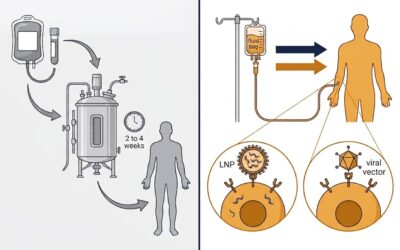
In vivo CAR-T therapy has travelled from laboratory concept to clinical reality faster than almost any modality in recent memory. Conventional cell therapy collects a patient’s T cells, engineers them in a specialist facility and returns them weeks later. The in vivo...
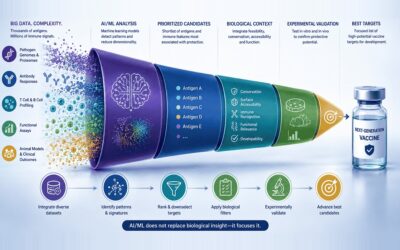
Cutting Through the Noise: How AI/ML Can Guide Target Selection for Vaccines
Modern vaccine research has entered an era of colossal data abundance. Researchers can now examine complete pathogen genomes and proteomes, measure hundreds of thousands of antigen-specific antibody responses, characterize immune-cell states at single-cell resolution...
Beyond Weight Loss: What Emerging GLP-1 Research Reveals
For many years, the perception of obesity and metabolic syndrome has largely been framed within the context of lifestyle and individual choices. However, an unprecedented paradigm shift is taking place as researchers gain a more profound insight into the physiological...
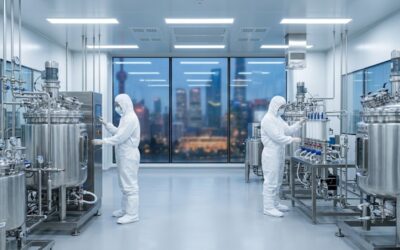
Asia Is No Longer Pharma’s Factory. It Is Becoming the Source
Two deals announced within days of each other this month read, on their own, like routine deal flow news. South Korea’s Alteogen signed its seventh platform licensing agreement with a global pharmaceutical company. Fujifilm and Taiho Pharmaceutical agreed to build...
Treating Antimicrobial Resistance as a Healthcare Infrastructure Priority
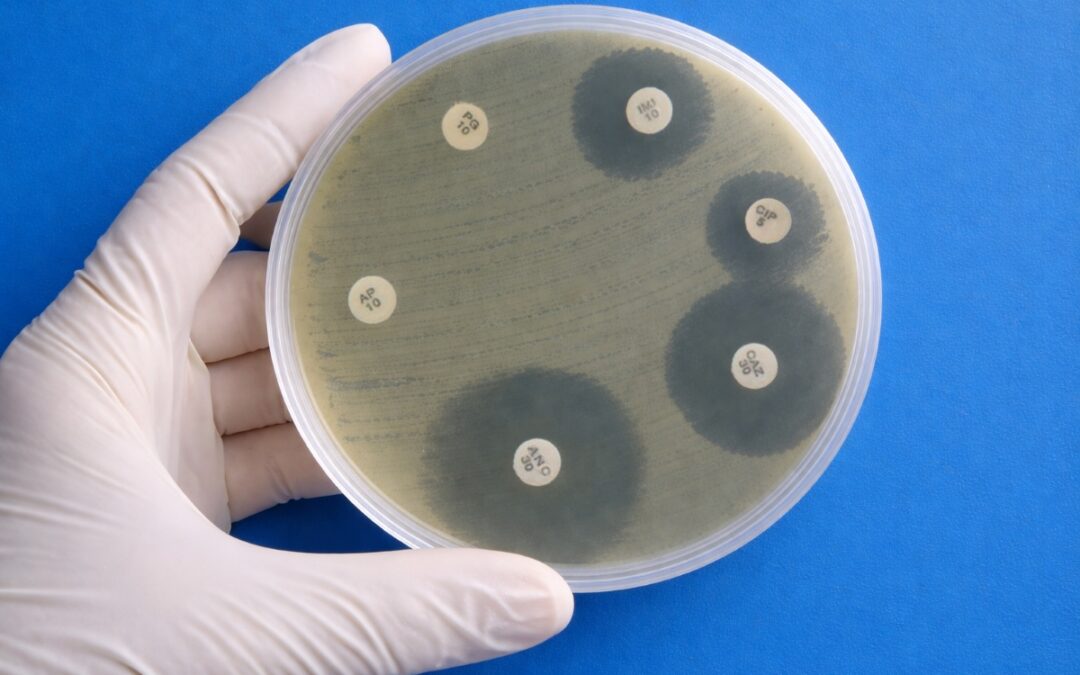
Modern healthcare depends on a basic assumption: when infections occur, clinicians will have medicines that can treat them. But antimicrobial resistance (AMR) is beginning to challenge that assumption at a systems level. For many years, AMR has been discussed...
Beyond Cytotoxic Payloads: The Expansion of Non-traditional Conjugates
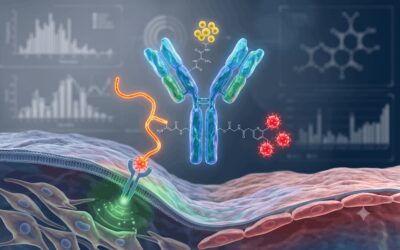
For over two decades, the narrative surrounding targeted biologics has been dominated by antibody-drug conjugates (ADCs) armed with cytotoxic small molecules designed to destroy cancer cells. While oncology remains a primary target for biologics, the therapeutic...
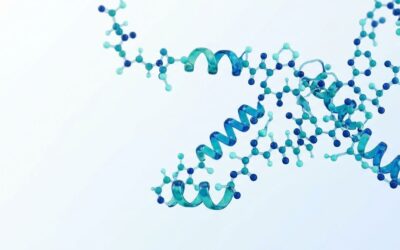
Atomic Warriors: How Structural Biology is Decoding the Next Pandemic
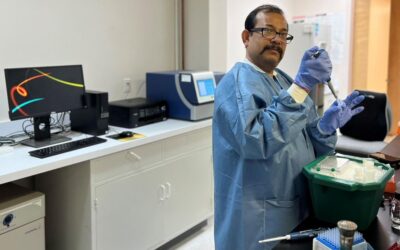
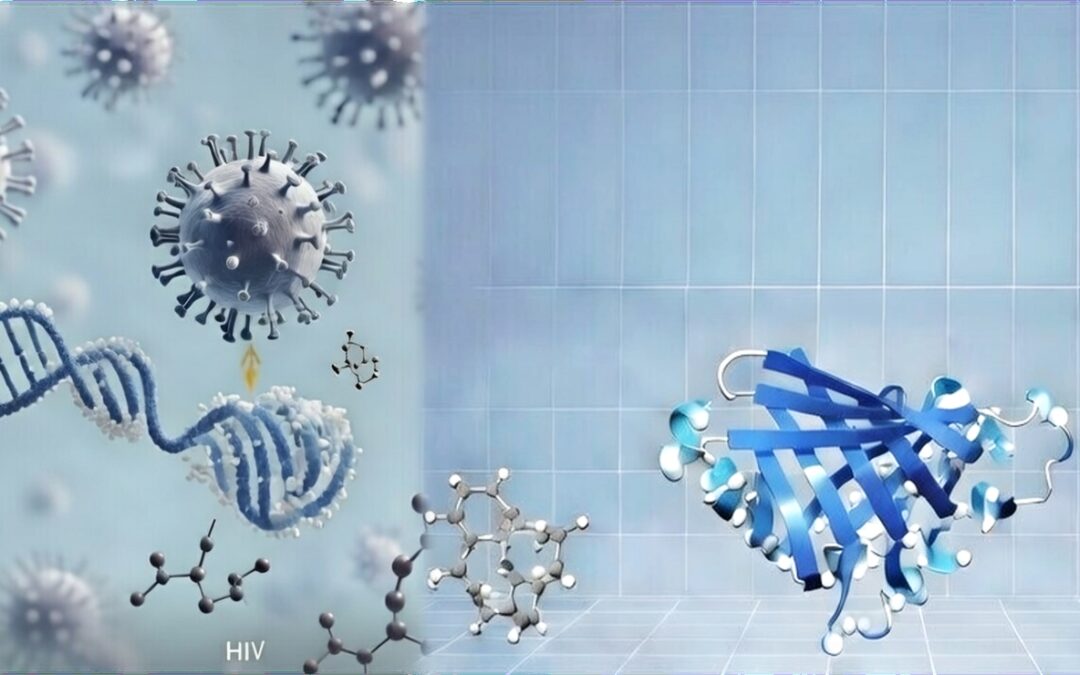
As the echoes of the COVID-19 crisis fade, humanity remains on high alert for the inevitable next pathogen. What if we could dissect viruses down to their atomic core, revealing chinks in their armor that lead to revolutionary treatments? Drawing from my 12+ years as...
Global Funding Shifts Redraw Life Sciences Innovation Map
The life sciences sector is experiencing a fundamental reshaping of its innovation geography as funding pressures, policy shifts, and geopolitical tensions redraw the competitive landscape across continents. While research funding constraints in the United States...
Five Big Shifts Redefining the Future of Cell and Gene Therapy
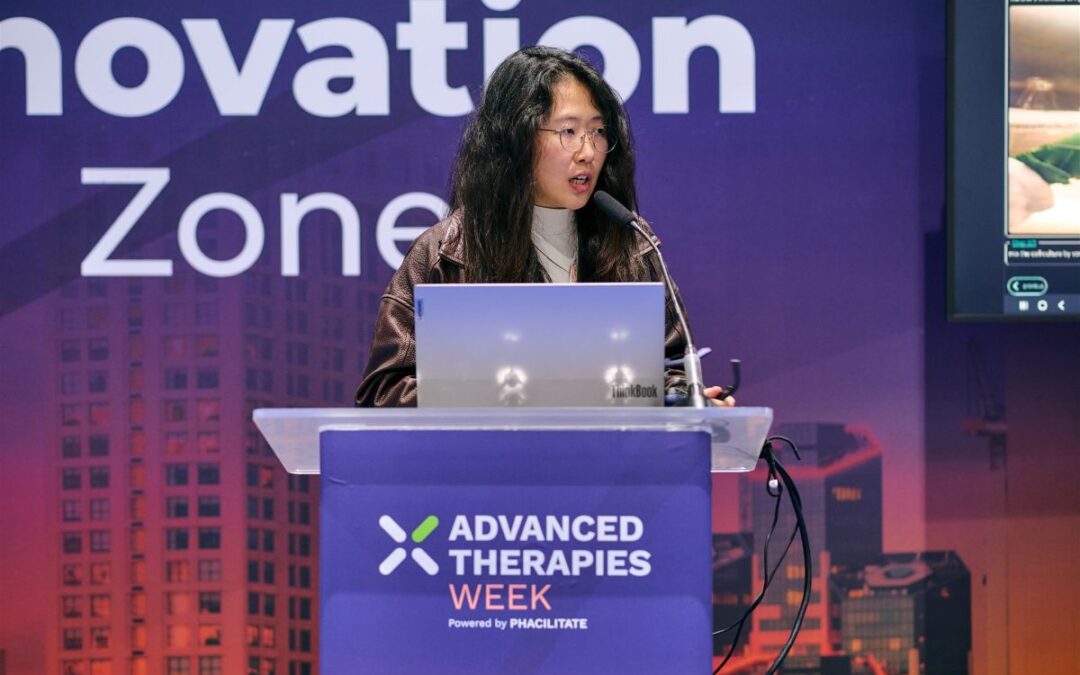
Marking its success San Diego debut earlier this month, Phacilitate’s Advanced Therapies Week (ATW), brought together leaders, innovators, and industry stakeholders from around the world for a dynamic showcase of progress in cell and gene therapies (CGT). From...
Paving the Way in Telomere Biology: The Research of Dr. Kelly Nguyen
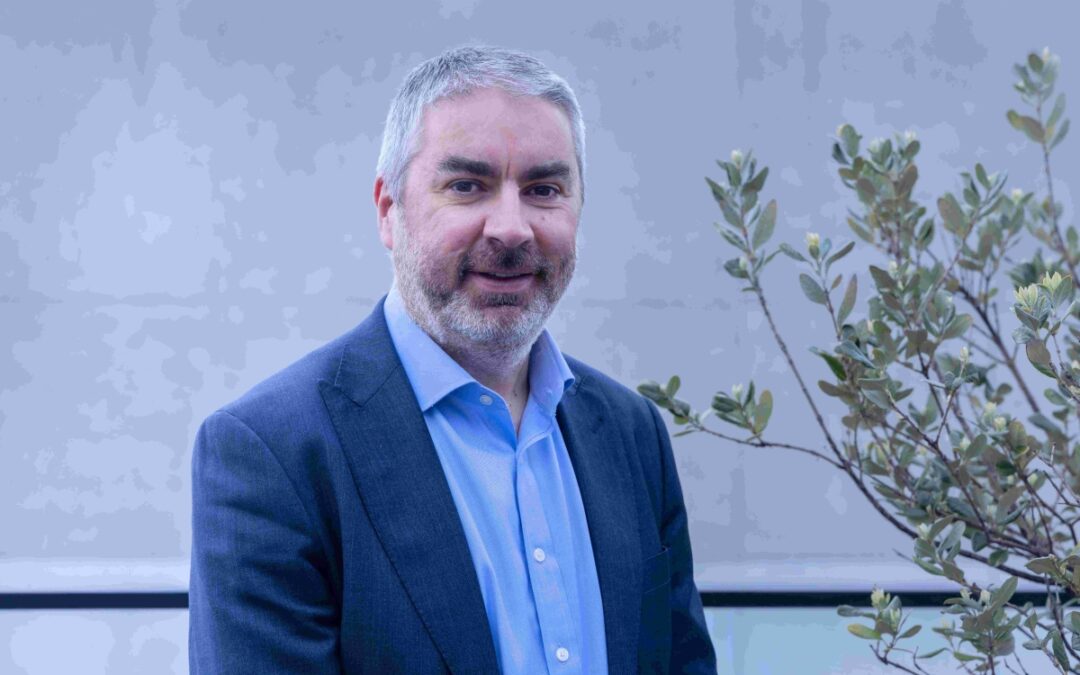
Kelly Nguyen is a molecular biologist and Group Leader in the Structural Studies Division at the MRC Laboratory of Molecular Biology (LMB), where her research aims to uncover how telomeres are structured, maintained and regulated by the enzyme telomerase. Telomeres...
Breaking Silos: How AI Agents are Standardizing Drug Discovery
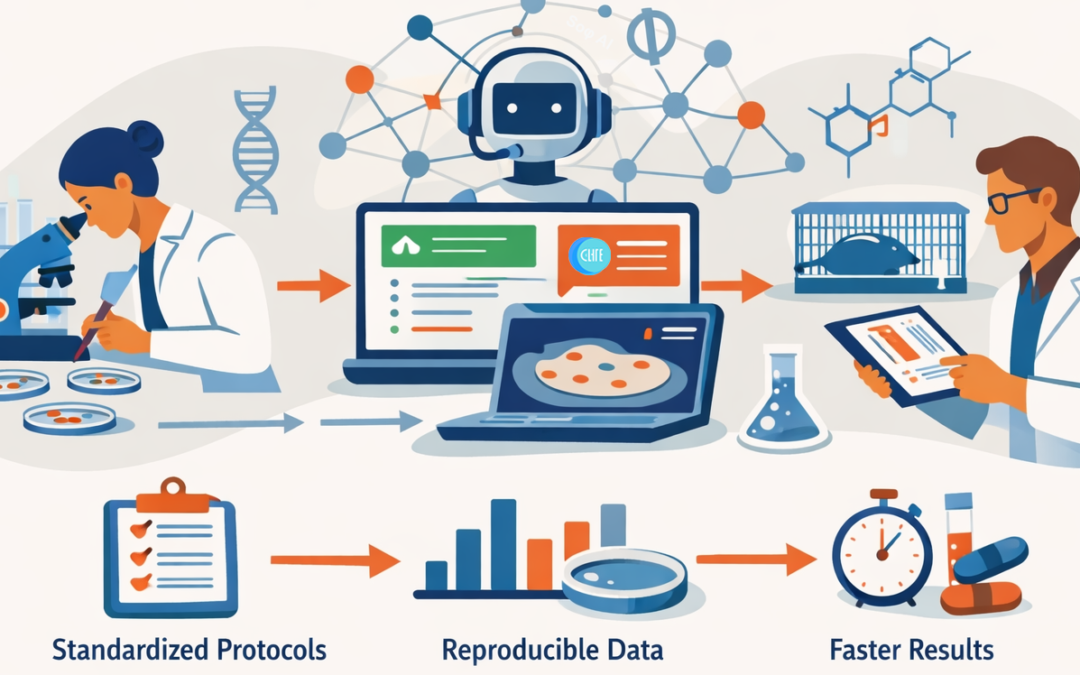
In the pharmaceutical industry, the statistics of failure are so familiar they have become clichés: it takes ten years and two billion dollars to bring a new drug to market, with a failure rate in clinical trials hovering near 90%. While much of this attrition is...
From Hype to Hard Science: Unlocking MSC Therapy’s Promise
After decades of promise and setbacks, advanced manufacturing platforms and robust Phase 2/3 trials are demonstrating whether MSCs can deliver transformative treatments for high-burden diseases Mesenchymal stromal cells (MSCs) have been called the most promising...
Beyond Hallucinated Binders: The Enzymatic Frontier for Generative AI
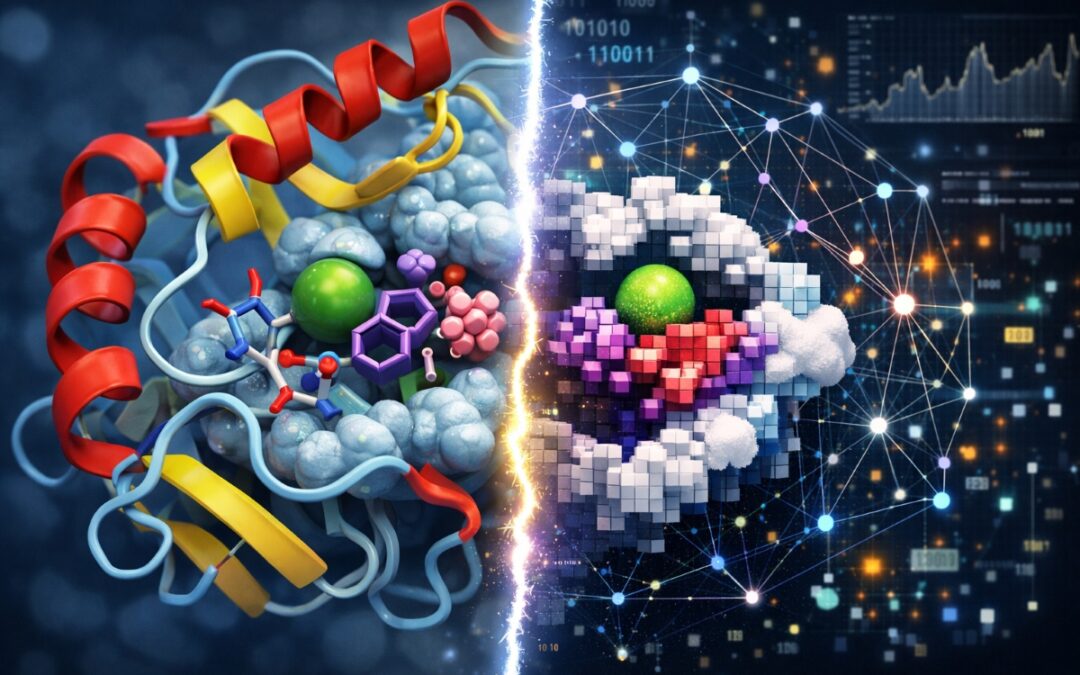
Generative AI has already changed what is possible in protein engineering. In the last few years, the field has moved from predicting protein structures to proposing entirely new proteins, often with experimentally verified folding and binding, at a pace that was...
Antibiotic Resistance: The Silent Pandemic Undermining Modern Medicine
Antibiotics are one of the greatest success stories in modern medicine. They transformed once-deadly infections into treatable illnesses, made routine surgery possible, and helped extend human life expectancy worldwide. From treating pneumonia to protecting patients...
Why Hypoxia Workstations are Becoming Standard Lab Infrastructure
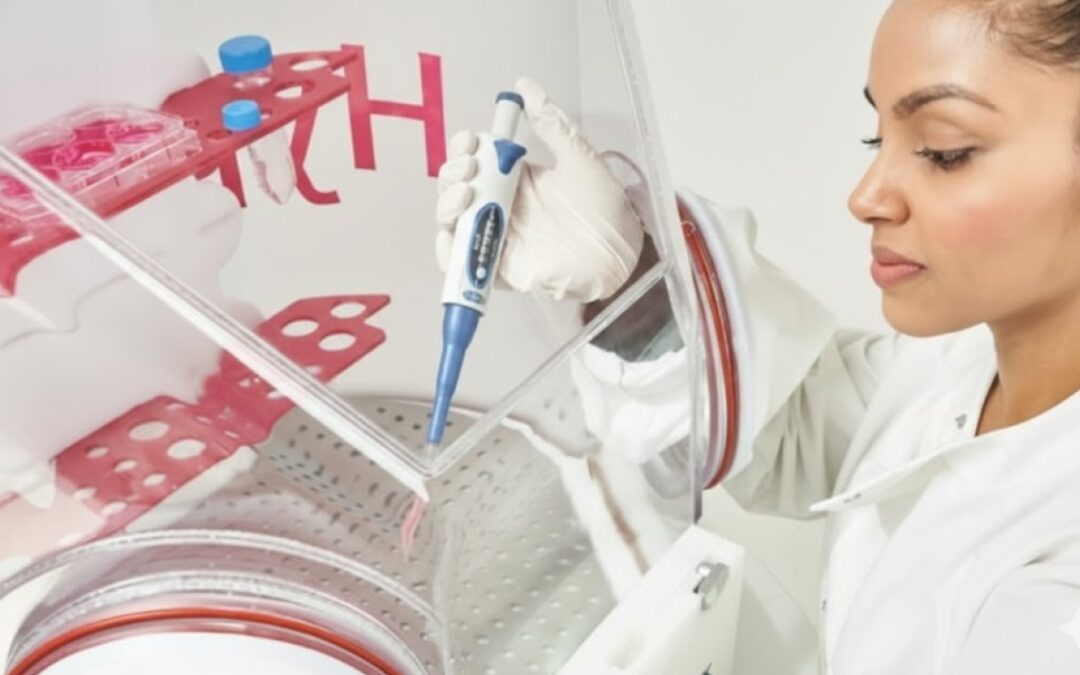
“Hypoxia” used to be nothing but a niche biology topic. Today it is quietly becoming standard infrastructure in labs. Two forces are converging. Regulators and funders are nudging R&D away from default animal studies and toward human-relevant evidence. At the...
Natural Product Drug Discovery Returns With New Anti Cancer Insights
Scientists have uncovered how plants produce mitraphylline, a rare natural compound with demonstrated anti cancer properties, shedding new light on the biological machinery behind one of nature’s most complex chemical products. By identifying the key enzymes involved...
Biotech’s Funding Winter is Over, but M&A Will Remain Selective
Biotech is showing early signs of life after a prolonged funding winter, but for many early-stage companies, conditions remain unforgiving. Years of low valuations, high borrowing costs and regulatory uncertainty have reshaped investor behaviour, with capital scarce...
A Career in Life Sciences: Pathways, Possibilities and Support
The life sciences sector sits at the intersection of discovery, technology and human impact. From developing new medicines and diagnostics to advancing environmental sustainability and digital health, careers in life sciences offer the chance to work on problems that...