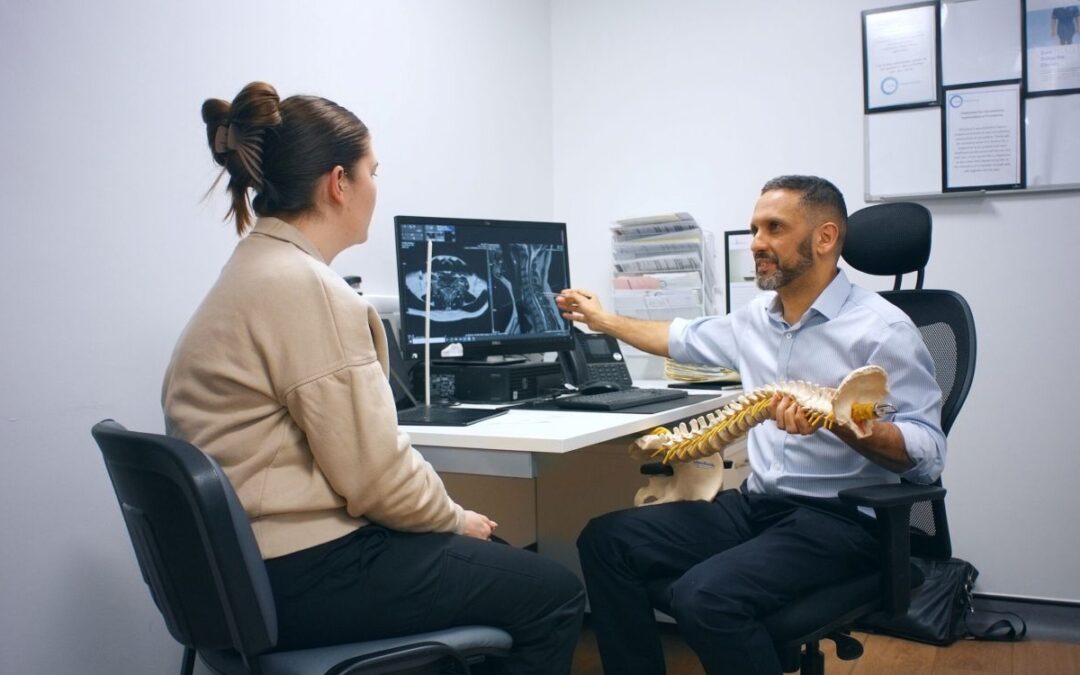
Inside the Science: New White Paper Explores the Injection Set to Redefine the Treatment of Knee Osteoarthritis & Unlock Access to Non-Surgical Options for Patients on the NHS A new white paper entitled “Inside the Science: A Major Step Forward for Knee...
How Can At-Home Diagnostics and AI-Enabled Detection Drive Better Health?
The UK government’s 10 Year Health Plan sets a bold ambition for the NHS, shifting from analogue to digital, from hospital to community, and from cure to prevention. For the life sciences sector, this aligns closely with long standing priorities around earlier...
The Human Microbiome: An Interface Between Lifestyle, Metabolism & Health
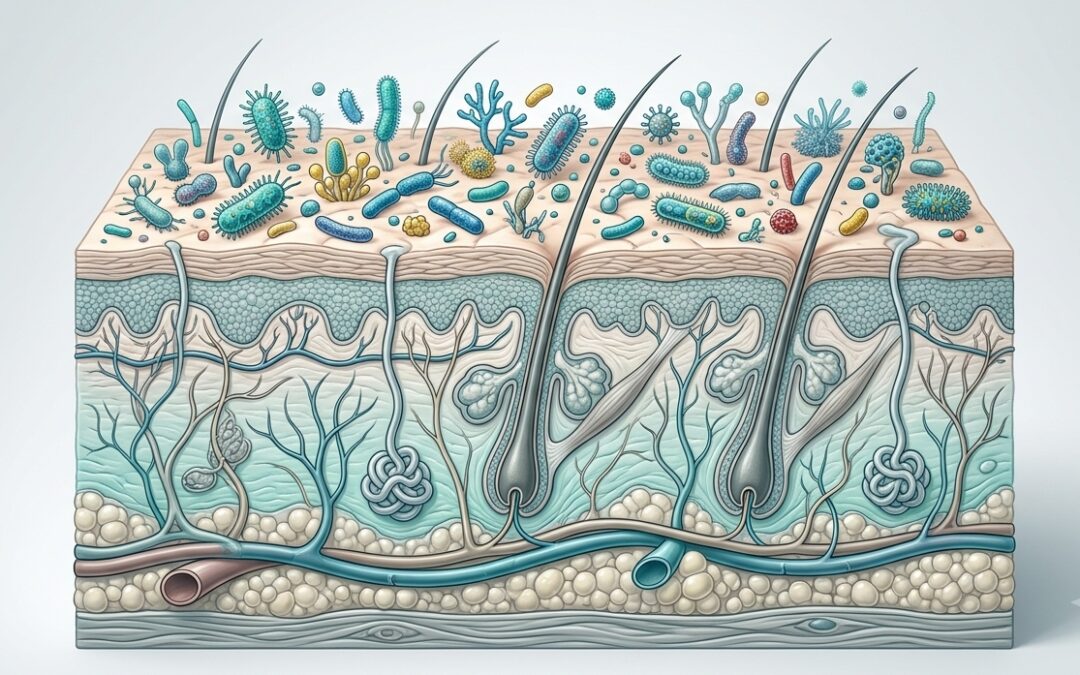
For much of modern medicine, microorganisms have been largely viewed through a narrow lens, as agents of infection to be identified and then eliminated. This perspective, whilst undeniably important, captures only part of the story. Over the past two decades, advances...
The Gut Microbiome and the Future of Human Health
The gut microbiome has moved from a niche area of research to one of the most important frontiers in modern medicine. Once associated mainly with digestion, it is now understood to be a complex, organ-like system that influences immunity, metabolism and even brain...
Beyond the Tumour: Can Radiotherapy Boost the Immune System?
Emerging research from a team of oncologists in Prague suggests that radiotherapy — long understood as a tool for destroying cancer cells — may also play a powerful role in activating the body's own immune defences. The implications for how we sequence and combine...
Closing the Interventional Gap
The National Health Service (NHS) is investing heavily in diagnostics. Through Getting it Right First Time (GIRFT) and the rollout of Community Diagnostic Centres (CDCs), millions of patients are getting scans more quickly than ever[1]. The NHS 10 Year Plan has now...
Reflections and Healing at the End of Life
Words To Begin At age 81, the author has lived a "life of letters" (perhaps three million words) addressing a wide variety of subjects during multiple careers: Systems Engineering (PhD at UCLA in 1976), Military Science (21 years on active duty, in high-tech...
Why Fertility Diagnostics Must Move to Continuous Remote Monitoring
In cardiology and diabetes, we no longer rely on single, in-clinic readings to diagnose complex conditions; instead, remote monitors are used to capture data over a period of time. We’ve seen that the standard of care across medicine is shifting from episodic...
The Microbiome: The Missing Layer in Modern Metabolic Care
Over the last decade, obesity management has undergone a structural transformation. What was once a field dominated almost exclusively by bariatric surgery has evolved into a far more nuanced metabolic discipline. The rise of GLP-1 receptor agonists and dual incretin...
Rethinking the Male Factor in IVF: Why New Sperm Technologies Matter
For much of the history of in-vitro fertilisation (IVF), technological advances have focused overwhelmingly on the egg and the embryo. Advances in ovarian stimulation protocols, time-lapse embryo imaging, genetic testing and cryopreservation have dramatically improved...
Why Amazing Medical Technologies Fail (And How to Ensure Yours Doesn’t)
Have you considered what it means to have an FDA-approved, life-changing, medical product? It’s nothing short of amazing! However, let me add on to that question, have you considered what it means to have an FDA-approved, life changing, medical product WITHOUT a...
The Microbiome, as a Performance Regulator: Gut Integrity Under Physiological Load
In high-performance populations — elite athletes, tactical operators, founders, executives under sustained cognitive load — resilience is typically framed in terms of cardiovascular output, muscular strength, mitochondrial density or hormonal optimisation. Yet one of...
Why Health Platforms Built for Millennials Will Fail Gen Alpha
The first smartphone-native generation expects fundamentally different things from digital health and retrofitting won't work Gen Alpha (born roughly between 2010 and 2024) is the first generation to grow up entirely in a world where smartphones, AI assistants, and...
A Decentralized Advantage: Outpatient Theranostics is the Clinical Standard
While oncology has historically relied on a "Hospital-as-Hub" model, the specific logistical demands of radiopharmaceutical therapy (RPT) are revealing its limitations. The decentralized outpatient model is emerging as a significant industry trend, demonstrating that...
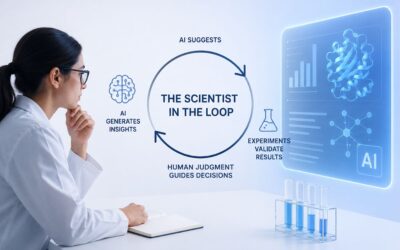
The Convergence Era: How Data and AI are Reshaping Life Sciences
For decades, innovation in life sciences followed a familiar path: lab discovery, clinical testing, regulatory approval, market release. It was linear. Predictable. Slow. What’s happening now feels different. The most significant shift isn’t a single breakthrough...
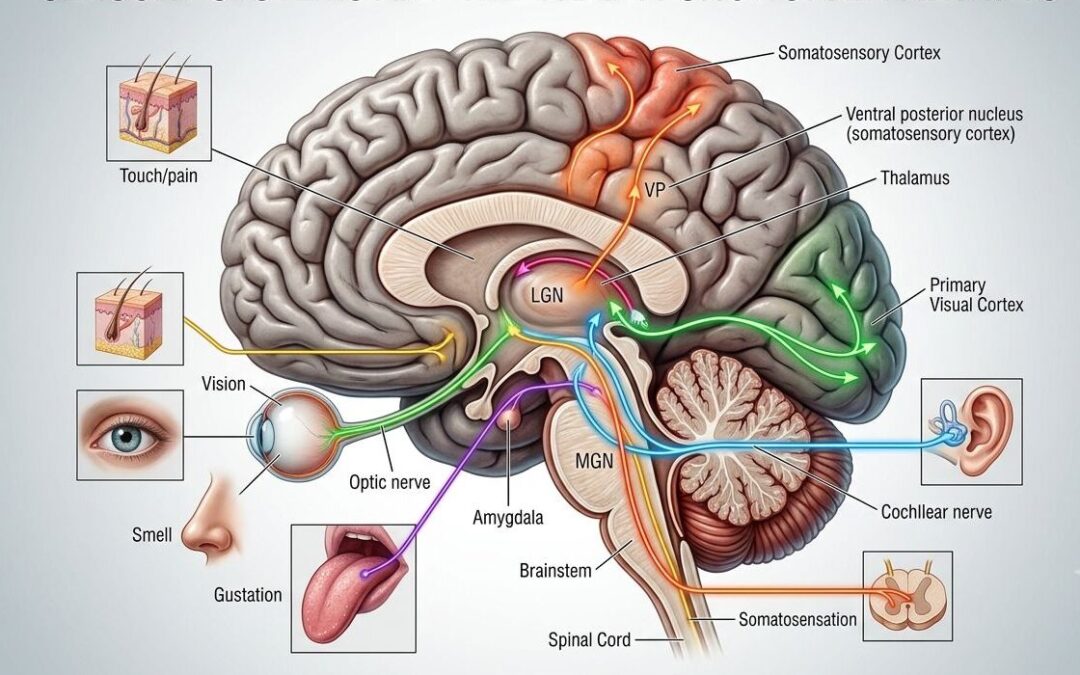
Pregnancy, the Brain, and the Nervous System
Pregnancy, the Brain, and the Nervous System: A Holistic Perspective on Perinatal Mental Health Pregnancy is often framed as a joyful milestone, yet from a clinical and neurobiological standpoint, it is one of the most significant periods of transformation a human...
Australian Healthcare Reviews Mean Nothing Without the Right Governance
Australians are making some of their most important healthcare decisions based on information that was never designed to carry that weight. For most Australians, searching for health information online and accessing test results digitally is already routine. Around 90...
GMCA: Why Unlocking Longevity Research Will Drive Innovation
The science of longevity has never been more active. With advances in preventive medicine and digital health, as well as new insights into lifestyle, environment, drug therapies and genetics, there is more research available than ever on how people age and live well....