

A German court has granted Halozyme a preliminary injunction that halts the sale of the subcutaneous version of Keytruda in Germany, marking a significant legal win in the companies’ high stakes patent dispute. The decision could complicate Merck’s plans for the subcutaneous formulation of Keytruda in one of Europe’s largest pharmaceutical markets, according to coverage by PR Newswire and Investing.com UK.
Court Ruling: What Was Decided
On 4 December 2025, the 7th Civil Division of the Munich Regional Court determined that Merck’s subcutaneous version of Keytruda infringes one of Halozyme’s core European patents, specifically European Patent No. 2 797 622, which covers the company’s MDASE technology. As a result, the court issued a preliminary injunction ordering Merck to immediately suspend the distribution and offering of Keytruda SC in Germany for any activities falling under the scope of the patent.
Halozyme’s legal leadership described the ruling as recognition of “imminent infringement” and expressed confidence that the injunction will remain in place even if Merck chooses to appeal. The company emphasised that the contested patent is separate from its ENHANZE licensing program and stated that existing ENHANZE agreements remain unaffected, based on a statement reported by Stock Titan.
Importantly, the injunction applies only to the subcutaneous version of Keytruda. The intravenous formulation remains available in Germany and is not impacted by the ruling.
Background: The Patent Dispute
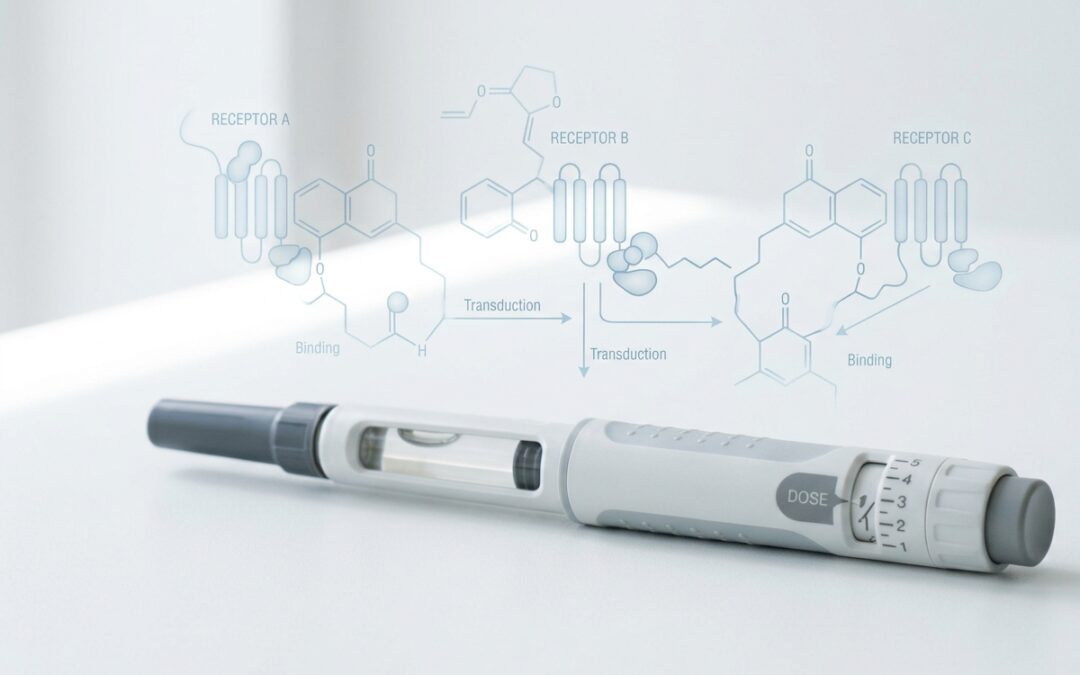
Halozyme’s dispute centres on its MDASE patents, which cover a modified hyaluronidase based technology designed to enable rapid, high volume subcutaneous delivery of biologic medicines. The contested European Patent No. 2 797 622 is part of a broader patent family intended to protect this technology throughout Europe, as detailed in coverage by StreetInsider.com and PR Newswire.
In April 2025, Halozyme filed a formal lawsuit against Merck, alleging that the new subcutaneous formulation of Keytruda infringed multiple MDASE patents. Merck responded in August 2025 by initiating nullity proceedings, challenging the validity of the ‘622 patent. That related challenge is still pending before the German Federal Patent Court, according to Investing.com UK and Yahoo Finance coverage.
The German injunction forms part of Halozyme’s broader global enforcement strategy. The company is also pursuing legal action in the United States, where Merck markets the subcutaneous version of Keytruda under the QLEX brand name. In that case, Halozyme claims infringement of up to 15 related patents linked to its MDASE technology.
Implications for Stakeholders
For Merck, the ruling represents a significant hurdle. Keytruda has long been a cornerstone of its oncology portfolio, and the subcutaneous formulation was expected to provide greater convenience for both patients and healthcare providers. The injunction now delays this plan in Germany, one of Merck’s key European markets.
For Halozyme, the decision is a notable victory in defending its proprietary drug delivery technology. It highlights the legal strength of the MDASE patent portfolio and could strengthen Halozyme’s position in additional patent disputes around the world.
From a patient perspective, individuals in Germany who require Keytruda will continue to rely on the intravenous version for the time being. The uncertainty surrounding the availability of the subcutaneous form may affect prescribing practices, supply strategies, and overall treatment convenience.
The wider life sciences industry is also likely to take notice. The case underscores the growing importance of delivery platform patents, particularly for biologics and oncology therapies, and may influence how pharmaceutical companies approach formulation development and market entry strategies in different regions.
What to Watch Next
Several developments will be closely monitored following the preliminary injunction:
- Whether Merck appeals the decision and how higher courts assess the validity of the MDASE patent
- The outcome of the ongoing nullity proceedings before the German Federal Patent Court
- Potential impacts on Merck’s global plans for subcutaneous Keytruda, including in other European markets
- Any possibility of licensing talks or settlement negotiations between Halozyme and Merck
- Broader implications for other biologic drugs that use, or aim to use, subcutaneous delivery technologies