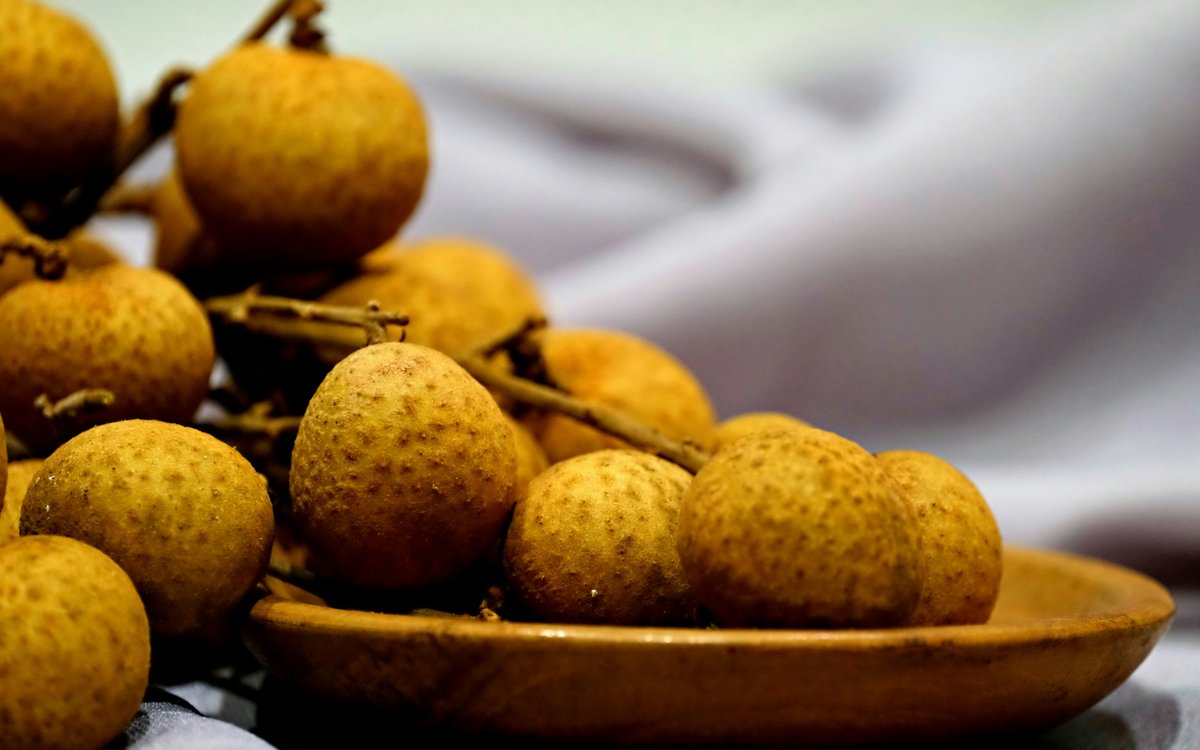
Longan was a familiar food in the home I grew up in. It was a tasty summer fruit we ate in southern China, much like an American family might think of mango. Years later, when I started making beverages in St. Louis, I used longan in a hydration drink, well before FDA proposed mandatory GRAS notification.
As a scientist, I always like to validate nutrition with evidence-based supporting documentation, yet back then I couldn’t find any on longan, which led me to discontinue that drink.
Was it prohibited or unsafe? No. But the gap between what a culture has eaten for generations and what a company can document for a commercial product was real, and it’s about to matter a lot more.
What FDA has proposed
On August 11, 2026, FDA published a proposed rule that would introduce mandatory GRAS notification. [1] Under the current system, a company can conclude on its own that an ingredient is generally recognized as safe (GRAS) for its intended use and put it on the market with self-GRAS without telling the agency.
Yet, if this proposal is finalized, companies would need to submit a GRAS notice to FDA. For substances already in commerce, FDA proposes a time-limited, streamlined submission option. As of 2011, the agency cites an estimate that firms had reached their own GRAS conclusions for about 1,000 food substances. [1]
What does this mean for small business owners?
The route that matters most for traditional foods remains. Under the law, a substance used in food before 1958 can be GRAS through experience based on common use in food [2], and FDA’s regulations allow that experience to come from outside the United States when it is well documented and reflects consumption by a significant number of people. [3]
The question for small makers is whether they can document it well enough to put it in front of FDA. The clock is ticking; comments on the proposal are open until December 9, 2026. [1]
Transparency, and who pays for it
On the one hand, mandatory GRAS notification would improve transparency and, by extension, help consumers build trust. However, I am more concerned about the burden on small botanical makers, who may struggle to afford the documentation and expert assistance needed to keep traditional ingredients in their products.
After years of working with suppliers, I can see how this proposal only widens the gap between an ingredient being available for purchase and having adequate documentation for its intended use.
As a formulator, I cannot assume that a supplier’s willingness to sell an ingredient answers the safety and regulatory questions for my beverage. A large company has a regulatory team to catch that gap. Small brands may not have the scientific or regulatory expertise to recognize it.
How we review a new botanical
One way to review new botanicals is through internal procedures. We have developed an SOP for reviewing safety information before adding a new ingredient. Our checks include FDA’s GRAS resources and USDA FoodData Central, although they answer different questions. FDA’s records help us investigate the regulatory basis for a use, while USDA provides nutritional information. [4][5]
Finding an ingredient’s name in a database is only a starting point. The evidence needs to support how it will be used in the product: which part of the plant, how it will be prepared, and at what amount. That last step is where traditional ingredients most often get stuck.
Familiar is not the same as documented
I have dropped or swapped ingredients for this reason many times. Some botanicals familiar to me through Chinese food traditions have been consumed in Asia for generations, yet I have struggled to find documentation that adequately supports their use in a commercial beverage here. When I cannot establish a sufficient basis for using an ingredient, I leave it out or find an alternative. That is frustrating, but I have learned familiarity alone is not enough.
In my first column for Life Science Daily News, I argued that traditional use can be used as a research lead, not a health claim. The same discipline applies to safety. A food tradition refers to a specific food, prepared a specific way, and eaten in a specific amount. A new beverage formula is a new use, and it must be documented. Longan is a good example: the difficulty was documenting our intended use, not a question about the fruit itself.
What I would ask FDA, and what small brands can do before December 9
My advice to other small brands is simple: please read the mandatory GRAS notification proposal and make your voice heard. Give FDA a concrete example of the time, expense, or documentation difficulties your business faces, and explain what would make compliance workable. You can file comments through the proposal’s page on the Federal Register website. [1]
Not sure what to request?
- Clear guidance on documenting traditional food use outside the United States.
- Practical ways for small businesses to use existing evidence without duplicating work.
Whenever there are changes to FDA regulations, it can be tempting for small business owners to become overwhelmed, but I encourage you to see this as an opportunity.
If your company does not yet have a written review process for new ingredients, this is a good time to establish one.
I hope the final rule also makes room for the small companies that bring these food traditions to American shelves, so that the cost of showing our work does not become the reason those traditions disappear.
Author Bio