

Latest News

What the Next Generation of GLP-1s Means for Pharmacists and Patients
GLP-1 receptor agonists (GLP-1 RAs) have reshaped the treatment of type 2 diabetes and obesity. But the next phase of GLP-1 therapy, and of incretin-based treatment more broadly, is likely to have implications that extend well beyond the approval of another...
Latest News

The Financial Infrastructure Behind Healthcare Innovation
Healthcare is changing faster than I have ever seen it change, and the revenue cycle has to keep pace. We are talking about AI, new treatments, new technology, new specialties and entirely new ways of delivering care. All of that is exciting, and much of it has the...

Why Complement Therapeutic Research Requires More Than a Single Assay
Complement-targeted drug development requires more than measuring individual proteins. Integrating functional hemolysis assays, carefully selected serum or plasma samples, and multiplex biomarker analysis can provide a more reliable picture of complement activity,...

AstraZeneca Strategic Equity Investment Puts $2bn Into Summit Therapeutics
AstraZeneca has made a 2 billion US dollar strategic equity investment in Summit Therapeutics. Summit announced the deal through Business Wire on 28 September 2026, after the US market close. The money buys convertible preferred stock. It does not buy a licence to...

When the Model Is Confident and the Patient Is Not
It is 2:07 a.m. in the emergency department. The waiting room is thin. The hallway is not. A middle-aged man looks pale. His vitals sit in the green band. A clinical decision support tile on the chart says low risk with a high confidence score. His wife keeps saying...
Join The Future Of Life Sciences Media
In a world overflowing with information, LifeScienceDaily.news stands apart as the dedicated space where life sciences professionals share what’s new, what’s next, and why it matters, all in real time.
Don’t wait for the media to pick up your story. Be the media.
Trending






More News

AI Trust in Healthcare Starts with the People in the Room
Healthcare is on an accelerated path to digitisation, creating real opportunity to reduce administrative burden, improve risk detection, support prioritisation, and help people access the right care sooner. But without deliberate design, these same systems risk...

The Regulatory Window for AI in Pharmacovigilance Is Open
In more than two decades of working with global CROs, pharmaceutical companies, and biotech organizations, I have watched pharmacovigilance teams absorb wave after wave of increasing complexity. More products on the market. More data sources to monitor. More...
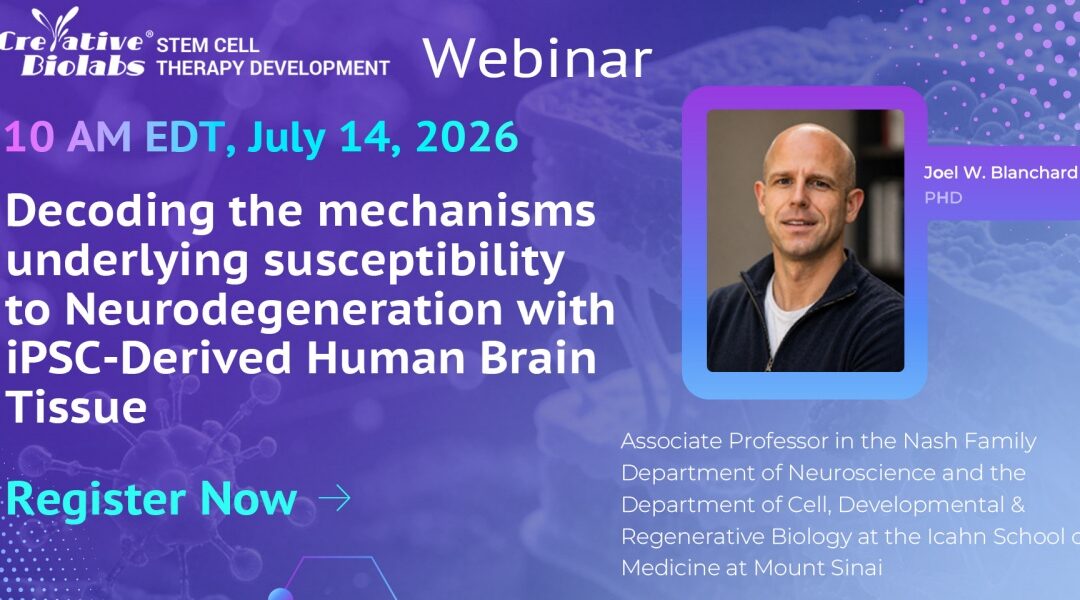
Webinar: Decoding Neurodegeneration via iPSC-Derived Human Brain Models
The human brain presents an intricate evolutionary paradox. While its sophisticated neural networks govern complex cognition, its architecture is uniquely susceptible to progressive degradation. For decades, the biomedical community has grappled with an uncomfortable...

Why the Immune System Is Becoming the New Battlefield in Cancer Care
The Old Paradigm For more than a century, cancer treatment has been defined by a straightforward objective: find the tumor and destroy it. Surgery removes it, radiation damages it. Chemotherapy attacks rapidly dividing cells. These approaches have saved countless...

CE Marking Is Not Enough: Three Layers for Connected Medical Devices
If your device connects to a network and runs AI, CE marking under MDR or IVDR is only the first layer for connected medical devices. Two further EU frameworks, the AI Act and the Cyber Resilience Act, can also apply, each with obligations that go beyond what MDR...
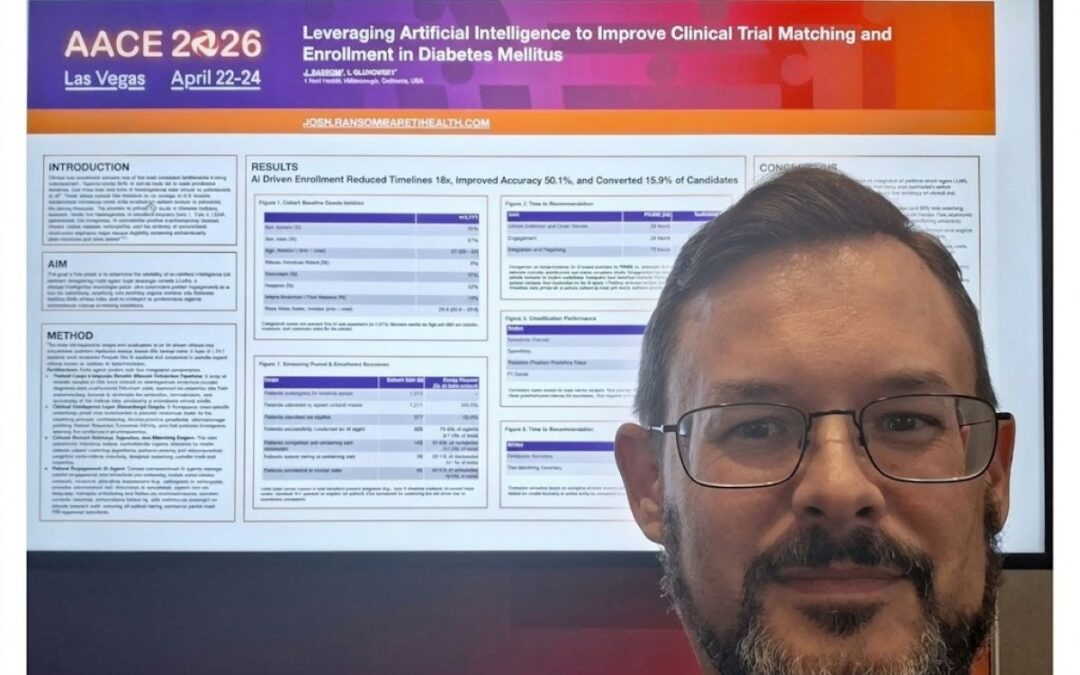
When Months Become Days: AI’s Edge in Patient Engagement
Every therapy that reaches a patient first has to clear a quieter hurdle that rarely makes headlines: finding enough of the right people to test it. That hurdle is where most clinical programs stumble. Roughly 80% of clinical trials fail to meet their enrollment...

What My Stroke Recovery Taught Me About Mobility and Safer Care
After more than three decades in nursing, I have had the privilege of caring for patients during some of the most vulnerable moments of their lives. I have worked alongside extraordinary nurses, therapists, physicians, and support staff who dedicate themselves to...

Tregzi (Orca Bio): Inside the First Regulatory T-Cell Therapy for Blood Cancer
The US Food and Drug Administration has approved Tregzi, a regulatory T-cell therapy developed by Orca Bio. It is the first treatment built from highly purified regulatory T cells to reach the American market. The FDA cleared Tregzi on 30 June 2026. It is designed to...

Workforce Capability Standardization in Medical Affairs
For decades, the pharmaceutical industry has invested heavily in scientific innovation, regulatory rigor, clinical development, manufacturing quality, and commercial excellence. Yet one of the most important links between innovation and patient impact has remained...
Weekly News Roundup | 06 July 2026
Life science news 6 July 2026: the FDA expands the world’s first CRISPR gene therapy to children as young as two, Ipsen commits up to $1.75 billion for a late-stage blood cancer drug, and two first-in-class FDA approvals reshape the cell therapy landscape in a busy...

Atacicept IgA Nephropathy: FDA Decision Due 7 July
Four days from now, the US Food and Drug Administration is due to hand down its atacicept IgA nephropathy decision, ruling on whether the experimental Vera Therapeutics drug becomes the first therapy to target both BAFF and APRIL in adults with the disease. The...
Clinical Trials Roundup | 03 July 2026
Genmab and AbbVie's epcoritamab meets its primary endpoint in a Phase 3 trial for relapsed or refractory diffuse large B-cell lymphoma, the FDA approves Orca Bio's Tregzi as the first regulatory T-cell therapy to reduce chronic graft-versus-host disease in blood...
AI Trust in Healthcare Starts with the People in the Room
Healthcare is on an accelerated path to digitisation, creating real opportunity to reduce administrative burden, improve risk detection, support prioritisation, and help people access the right care sooner. But without deliberate design, these same systems risk...
The Regulatory Window for AI in Pharmacovigilance Is Open
In more than two decades of working with global CROs, pharmaceutical companies, and biotech organizations, I have watched pharmacovigilance teams absorb wave after wave of increasing complexity. More products on the market. More data sources to monitor. More...
Webinar: Decoding Neurodegeneration via iPSC-Derived Human Brain Models
The human brain presents an intricate evolutionary paradox. While its sophisticated neural networks govern complex cognition, its architecture is uniquely susceptible to progressive degradation. For decades, the biomedical community has grappled with an uncomfortable...
Why the Immune System Is Becoming the New Battlefield in Cancer Care
The Old Paradigm For more than a century, cancer treatment has been defined by a straightforward objective: find the tumor and destroy it. Surgery removes it, radiation damages it. Chemotherapy attacks rapidly dividing cells. These approaches have saved countless...
CE Marking Is Not Enough: Three Layers for Connected Medical Devices
If your device connects to a network and runs AI, CE marking under MDR or IVDR is only the first layer for connected medical devices. Two further EU frameworks, the AI Act and the Cyber Resilience Act, can also apply, each with obligations that go beyond what MDR...
When Months Become Days: AI’s Edge in Patient Engagement
Every therapy that reaches a patient first has to clear a quieter hurdle that rarely makes headlines: finding enough of the right people to test it. That hurdle is where most clinical programs stumble. Roughly 80% of clinical trials fail to meet their enrollment...
What My Stroke Recovery Taught Me About Mobility and Safer Care
After more than three decades in nursing, I have had the privilege of caring for patients during some of the most vulnerable moments of their lives. I have worked alongside extraordinary nurses, therapists, physicians, and support staff who dedicate themselves to...
Tregzi (Orca Bio): Inside the First Regulatory T-Cell Therapy for Blood Cancer
The US Food and Drug Administration has approved Tregzi, a regulatory T-cell therapy developed by Orca Bio. It is the first treatment built from highly purified regulatory T cells to reach the American market. The FDA cleared Tregzi on 30 June 2026. It is designed to...
Workforce Capability Standardization in Medical Affairs
For decades, the pharmaceutical industry has invested heavily in scientific innovation, regulatory rigor, clinical development, manufacturing quality, and commercial excellence. Yet one of the most important links between innovation and patient impact has remained...
Weekly News Roundup | 06 July 2026
Life science news 6 July 2026: the FDA expands the world’s first CRISPR gene therapy to children as young as two, Ipsen commits up to $1.75 billion for a late-stage blood cancer drug, and two first-in-class FDA approvals reshape the cell therapy landscape in a busy...
Atacicept IgA Nephropathy: FDA Decision Due 7 July
Four days from now, the US Food and Drug Administration is due to hand down its atacicept IgA nephropathy decision, ruling on whether the experimental Vera Therapeutics drug becomes the first therapy to target both BAFF and APRIL in adults with the disease. The...
Clinical Trials Roundup | 03 July 2026
Genmab and AbbVie's epcoritamab meets its primary endpoint in a Phase 3 trial for relapsed or refractory diffuse large B-cell lymphoma, the FDA approves Orca Bio's Tregzi as the first regulatory T-cell therapy to reduce chronic graft-versus-host disease in blood...
Featured Articles




Further News

Why Jeremy Clarkson’s Prostate Cancer Diagnosis Matters More
Last year it was Joe Biden and Barnaby Joyce who made public their diagnoses of prostate cancer. Before them, came other household names battling this condition – from Ben Stiller to Rod Stewart. This admission, on Jeremy Clarkson’s own TV show for his need of...

FDA Accelerated Approval: How the Fast-Track Pathway Works
FDA accelerated approval is one of the agency's most powerful and most debated regulatory tools. Designed to speed access to treatments for patients with serious or life-threatening conditions, it has delivered transformative therapies to those with no other options....

AI Governance in Biopharma Is Failing the Translation Test
Artificial intelligence is no longer experimental in biopharma. It is operational. Across drug discovery and development, AI systems are being used to identify targets, design molecules, optimize mRNA constructs, and simulate biological interactions that were...

Beyond Animal Models: iPSC Assays Unlock the Human Brain
For decades, neurodegenerative research has relied heavily on animal models. While transgenic mice and rats have yielded fundamental insights into the architecture of the central nervous system, they consistently hit a translational roadblock when applied to human...

AI Transparency Gap in SaMD Regulation
Artificial intelligence is no longer on the horizon of medical device regulation — it’s already on regulators’ desks. The FDA’s iterative guidance on AI/ML-based Software as a Medical Device (SaMD), the EU AI Act’s risk classification scheme, and Health Canada’s...

Merck’s $6.7bn Terns Deal: A New Oral CML Treatment
Merck has completed its $6.7 billion acquisition of Terns Pharmaceuticals, gaining control of TERN-701, an investigational oral CML treatment that the pharmaceutical giant hopes will become a cornerstone of its expanding cancer portfolio. The deal, which closed on 5...

IPA Highlights Expansion of Photodynamic Therapy in Türkiye
At the 8th Photodynamic Day of the International Photodynamic Association (IPA) held at Acıbadem University in Istanbul, speakers highlighted continued development of PDT in Türkiye and its growing clinical use internationally. Hosted by Professor Fabienne Dumoulin,...

Medicare GLP-1 Bridge: Weight-Loss Drug Coverage Begins 1st July
Starting, 1 July, millions of Medicare enrollees will gain coverage for weight-loss drugs for the first time, through a temporary pilot programme called the Medicare GLP-1 Bridge. The scheme covers Zepbound, Foundayo and Wegovy at a $50 monthly copayment and marks the...

Self-Care Isn’t Just About Feeling Good. It Helps Us Function Sustainably
Working in healthcare tends to very much not be about self-care, and yet healthcare self-care has never mattered more. It’s about caring for others, prioritising the needs of the many over yourself, and responding both physically and emotionally whilst managing an...

Weekly News Roundup | 29 June 2026
Life science news 29 June 2026: AbbVie and Merck KGaA announce blockbuster acquisitions totalling more than $22 billion, NICE recommends the first disease-modifying therapy for type 1 diabetes for NHS use, and Definium Therapeutics delivers a landmark Phase 3 result...
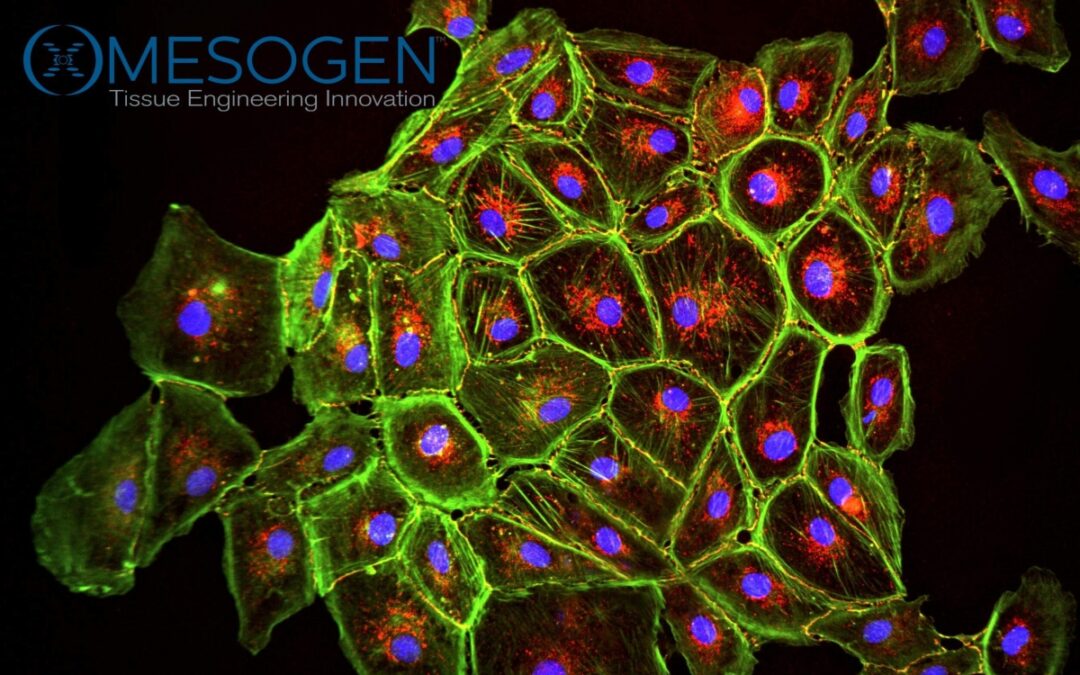
Why I Founded Mesogen: A New Vision for Personalized Regenerative Medicine
For much of my career I have been fascinated by a simple but profound question: What if medicine could restore what disease destroys? Modern medicine has achieved remarkable success in helping patients manage chronic illnesses. We have developed sophisticated drugs,...
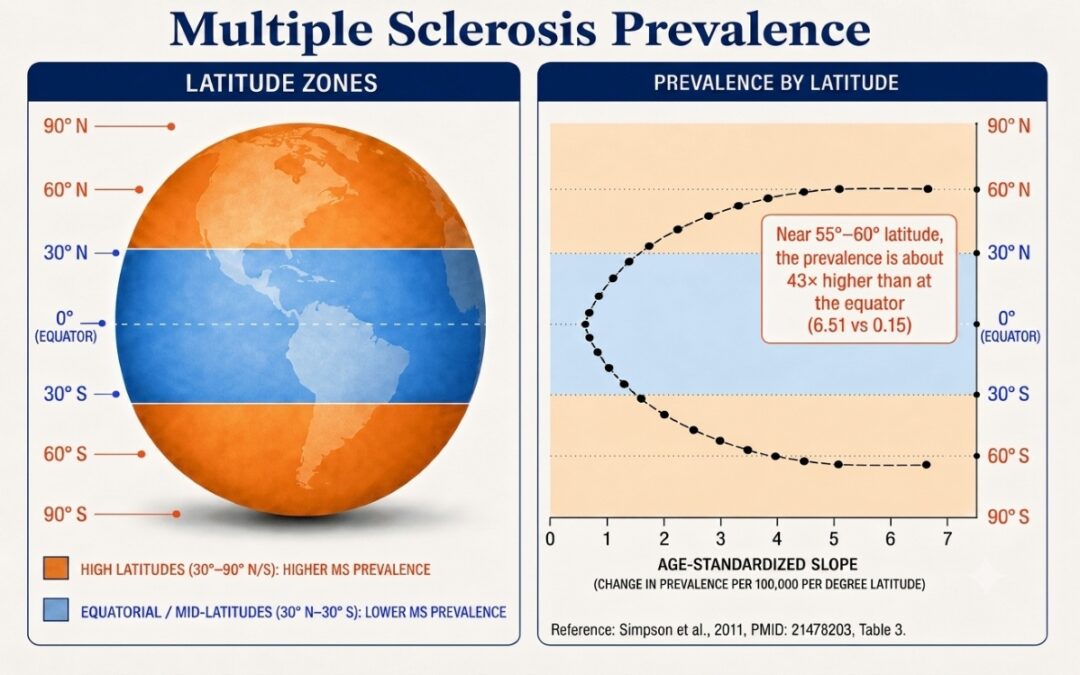
Light-Driven Immune Modulation and Its Impact on Autoimmune Therapy
One of the most consistent epidemiological patterns in multiple sclerosis (MS) is its geographic distribution. Rates rise with distance from the equator, where year-round sunlight exposure is lower.[1] For decades, this has pointed to a role for environmental light in...
Further News
Want to Be Part of the Next Chapter in Life Sciences Media?
LifeScienceDaily.news is building a new kind of platform where innovators, researchers, and industry leaders tell their own stories and shape the narrative of what’s next in life sciences. Share your story and lead the conversation.
Don’t wait for the media to pick up your story. Be the media.
See More Articles



Want to Be Part of the Next Chapter in Life Sciences Media?
LifeScienceDaily.news is building a new kind of platform where innovators, researchers, and industry leaders tell their own stories and shape the narrative of what’s next in life sciences. Share your story and lead the conversation.