At Karviva, we used several Google Sheets to keep track of ingredients, materials, production and orders. As the business grew, keeping those records connected became harder. We needed to plan production more reliably and trace each batch from its ingredients through to delivery. The software options we considered were difficult to justify at our size. A university collaboration with Saint Louis University (SLU) gave us a way to work on those problems with students and faculty.
How the university collaboration started
Last year, I met Professor Jintong Tang at an event. She directs the Emerson Leadership Institute and is interim director of the Chaifetz Center for Entrepreneurship at Saint Louis University’s Richard A. Chaifetz School of Business. We had a good conversation about Karviva, how long we had been in business and how we ran production. She encouraged me to explore a collaboration.
Over the next few meetings, I began to see how our supply chain and production planning could give business students a useful project. We had real questions to work through, starting with how to plan ahead rather than respond to each order as it arrived.
Planning beyond the next order
We have generally scheduled production when an order comes in. As demand has grown, that approach has made it harder to keep enough inventory on hand and deliver orders on time.
We needed a better forecast so we could buy ingredients and materials, schedule production and hold enough stock without creating waste. Finding that balance matters when a business is growing and orders are still difficult to predict.
From a class project to our plant
This spring, our planning challenges became a case study for two classes of graduate business students taught by SLU Professor Tiancheng Zhao. I spoke to the students, showed them around our plant and shared our order history going back to 2022.
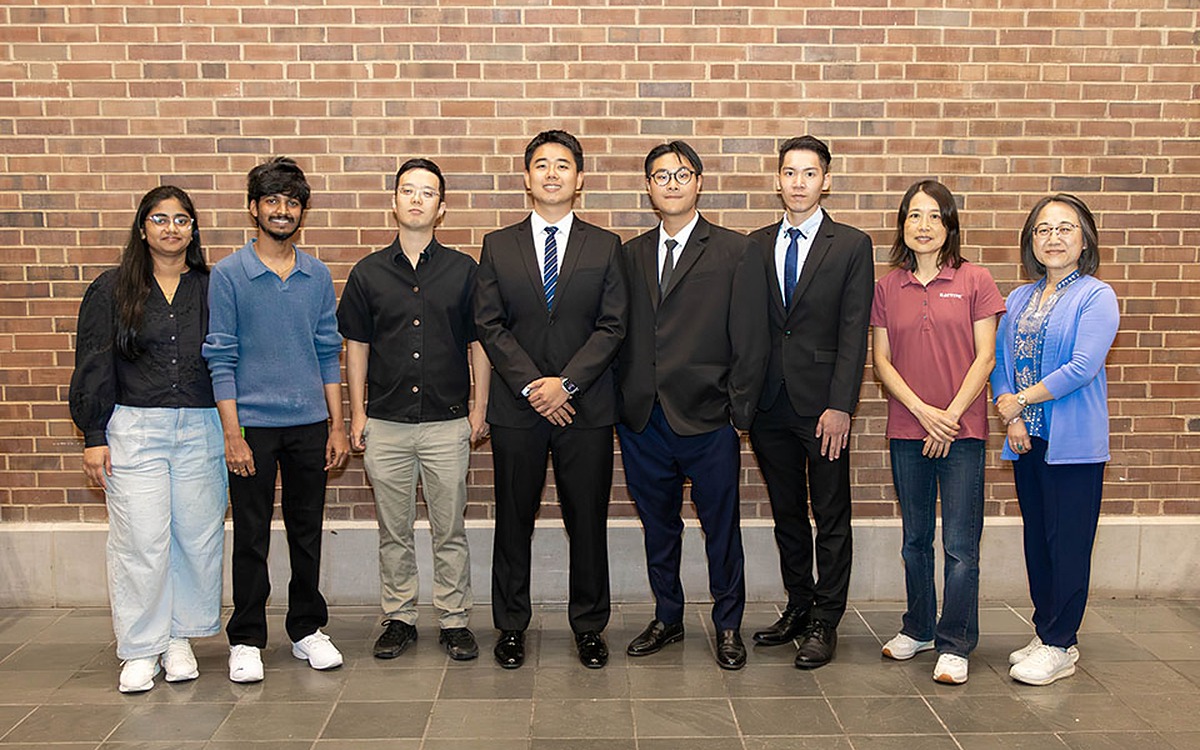
After the classes ended, we met to discuss a summer project. I asked whether the students could build an app to bring our records, planning and forecasting together. A student team continued working under Professor Zhao, with support from the Emerson Leadership Institute, and presented the system to our team at SLU in September [1].
We are now using the system in our plant and refining it as we go.
What the system does
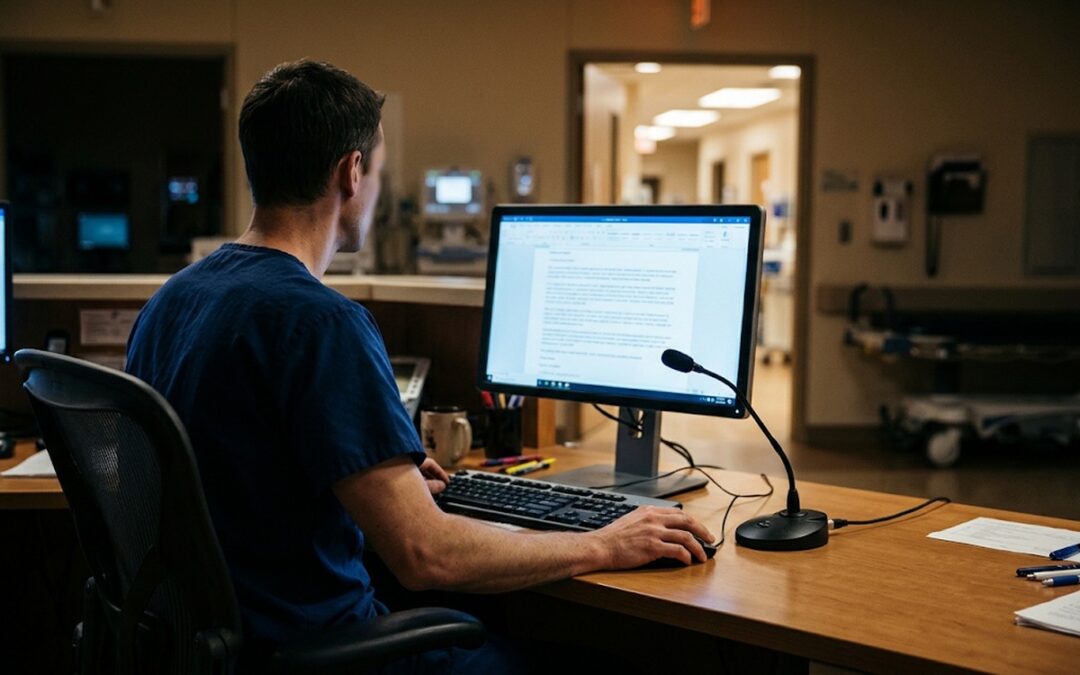
The records we once entered into separate spreadsheets are now linked in one system. We can follow a batch from raw ingredients through recipes, production runs, bottling, cases and orders to delivery confirmation.
The forecasting model uses our sales and production history. We adjust it for seasonality, in-store promotions and social media campaigns. I would also like to bring in market data beyond our own brand, although the cost is a challenge.
There is still work to do. We are fine-tuning the system and exploring whether an AI agent could help with repetitive data entry.
What has changed so far
Before the system, we sometimes entered the same data five or six times across different sheets. When you do that many times, it is easy to make mistakes, so it took more time to proofread and check. We are still moving from Google Sheets to the new system, but we already save time because we no longer enter the same data multiple times, and we avoid the errors that come with it. It also helps with our monthly and quarterly audits. Most importantly, it helps us forecast better and create a better production plan.
What I learned from the students
The students had not worked in a business like ours, and they brought ideas we had not considered. In sourcing, for example, they found suppliers we could consider as backups.
They also had the chance to work with actual plant data and the decisions behind it. Former SLU professor Jing Li, now at Purdue University, is writing two teaching cases about Karviva: one on inventory management and another on sourcing and supplier selection. In April, SLU hosted a symposium on the collaboration [2].
Keeping formulation details private
Before sharing data, we signed a data use agreement with the University. We still kept some information private. The quantities of ingredients in each product are part of our formulation trade secrets, so the students used assumptions in place of those figures. They were able to work on the planning problem without access to our full formulations.
Advice for small manufacturers
For us, the priority was a system our team could use reliably and that suited the way we produce. A platform designed for a much larger manufacturer may include more than a small business needs or can afford.
If you are considering a university collaboration, I would start by identifying where your current process gets stuck. Be specific about the problem, then explain the production process in language students without manufacturing experience can understand.
Our university collaboration started with questions about orders, inventory and production schedules. Keeping those questions at the center gave the students something practical to work on and gave our team a system we could put to use. I would also look for a university that genuinely values partnerships with industry and the community and is committed to developing students with both deep expertise in their disciplines and broad leadership skills. The best collaborations benefit both sides: businesses gain practical solutions, while students learn to apply their knowledge to real-world challenges.
Author Bio