

Latest News
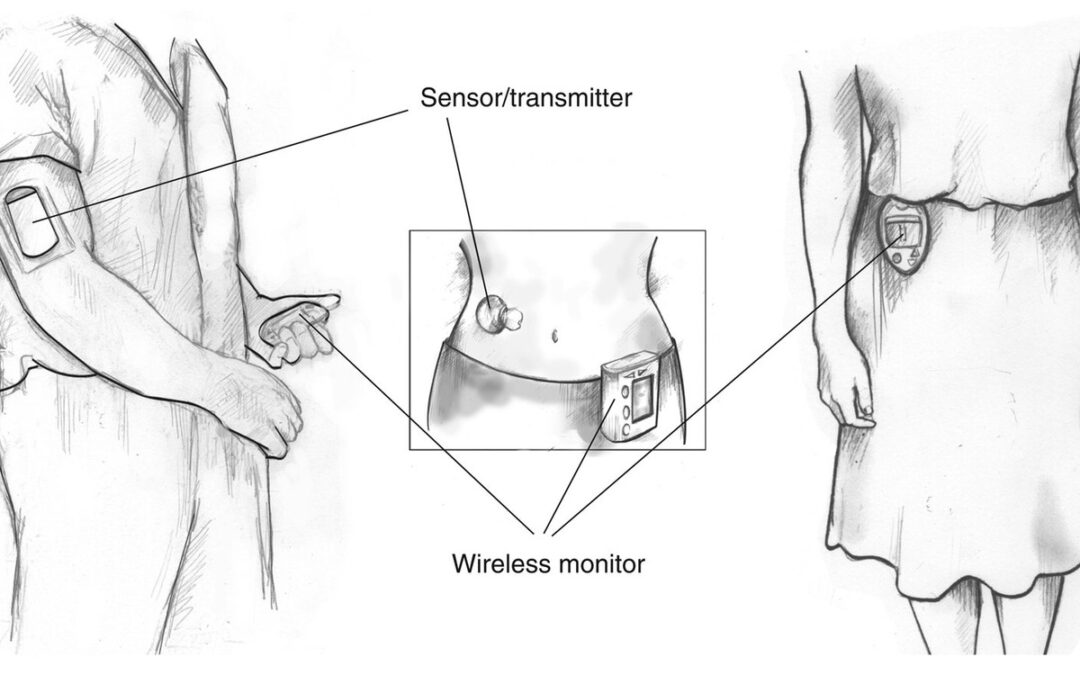
The Fifty-Year Chase: Where Noninvasive Glucose Monitoring Stands in 2026
For nearly half a century, one problem has raised more capital, had more publications, and experienced more failed product launches than almost any other in medical devices: noninvasive glucose monitoring, or measuring blood glucose without breaking the skin. More...
Latest News
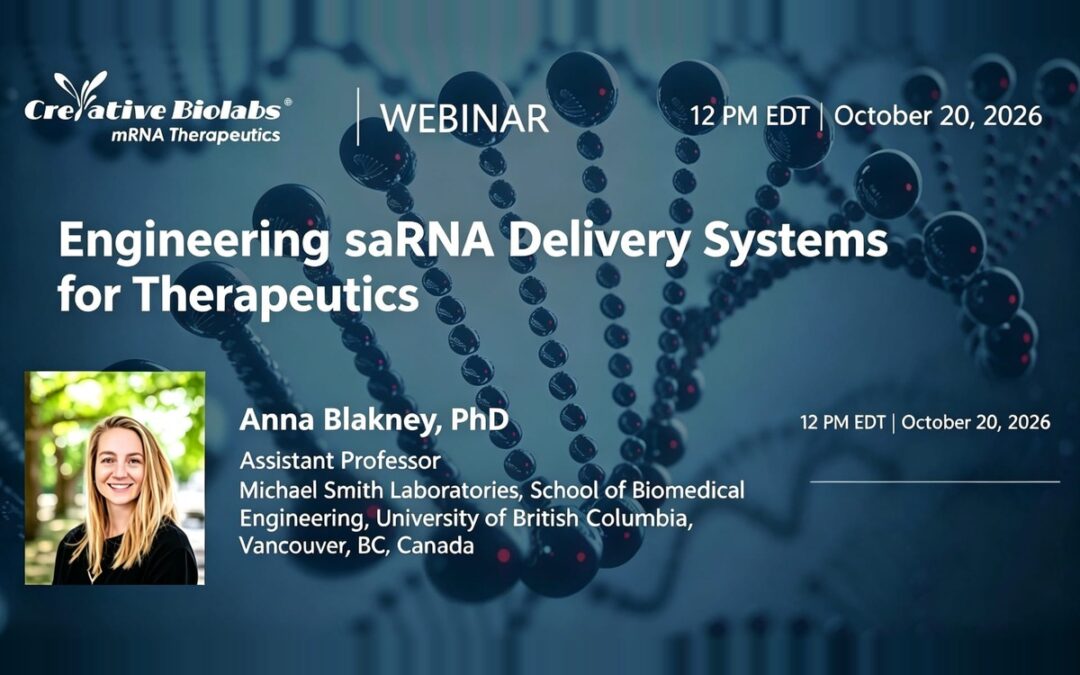
Is RNA Potency the Problem? Creative Biolabs Webinar on saRNA Delivery
The next breakthrough in RNA therapeutics may depend less on making RNA more powerful and more on solving how efficiently it reaches and functions inside target cells. Creative Biolabs will host the upcoming webinar "Engineering saRNA Delivery Systems for...
Weekly News Roundup | 07 September 2026
Life science news 7 September 2026: two US approvals, a UK suspension, a Phase 3 failure and four global deals. PharmaEssentia won FDA approval for Besremi in essential thrombocythemia, a label expansion for the interferon therapy. The MHRA suspended Avacopan Vifor...
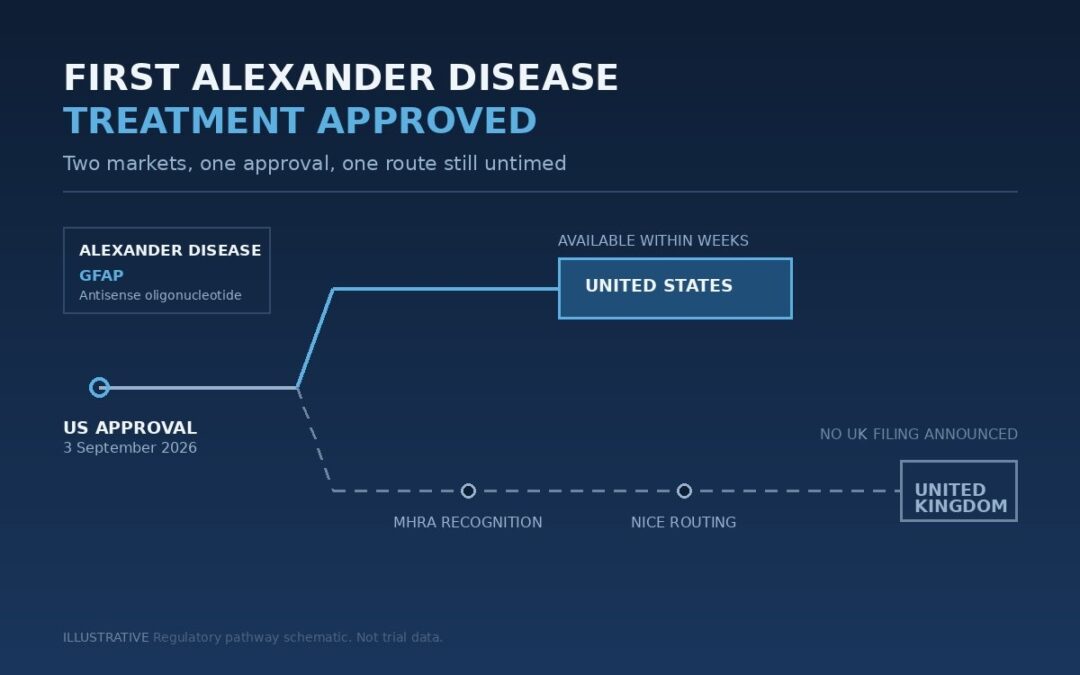
Alexander Disease Treatment Approved: What It Means for UK Access
The United States Food and Drug Administration has approved the first Alexander disease treatment. Zanvastro (zilganersen) was cleared on 3 September 2026 for paediatric and adult patients. Ionis Pharmaceuticals developed the antisense oligonucleotide. The decision...
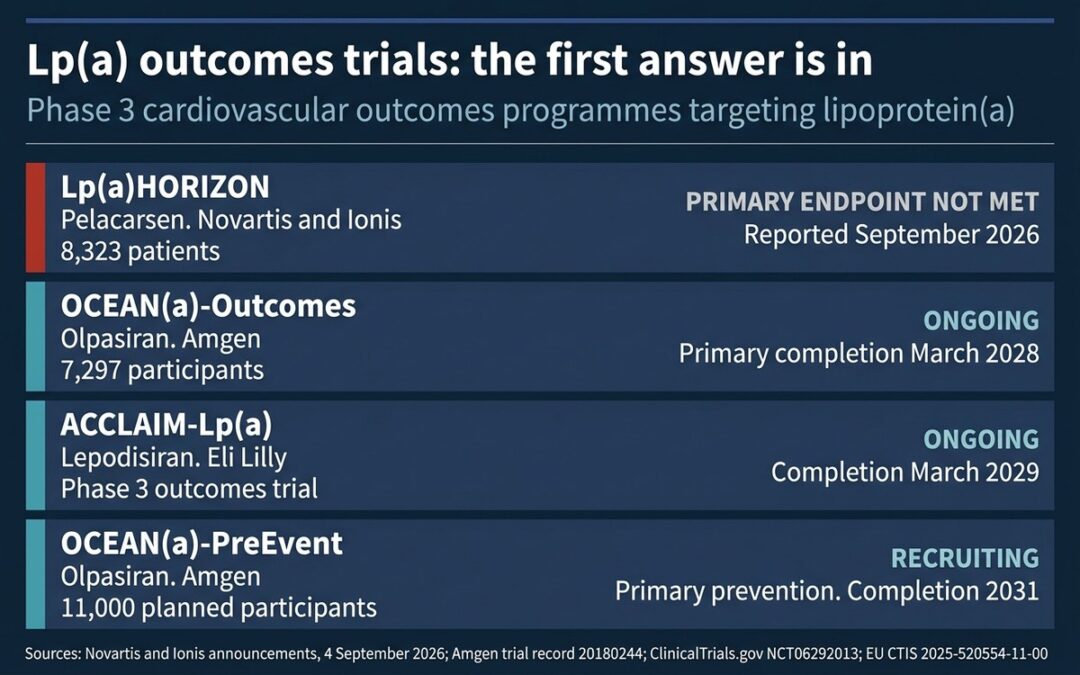
Pelacarsen Trial Miss Leaves Lp(a) Lowering Unproven
Novartis has reported that the pelacarsen trial missed its primary endpoint. The Phase III study, called Lp(a)HORIZON, enrolled 8,323 patients with established cardiovascular disease and elevated lipoprotein(a). The company announced the topline result on 4 September...
Join The Future Of Life Sciences Media
In a world overflowing with information, LifeScienceDaily.news stands apart as the dedicated space where life sciences professionals share what’s new, what’s next, and why it matters, all in real time.
Don’t wait for the media to pick up your story. Be the media.
Trending






More News

UK Boosts Clinical Trials With Faster, Agile Regulation
Press Release: Patients to benefit sooner as UK boosts clinical trials attractiveness with faster assessments and agile regulation The MHRA is now setting out the next phase of reforms for 2026, aimed at helping patients access new cutting-edge treatments more...

Five Ways AI Will Reshape Life Sciences in 2026
Why People, Process, and Purpose Matter Most Following a period of experimentation, life sciences is entering a pivotal new phase in AI adoption. The industry is shifting away from hype-driven pilots and toward proven, value-led applications that improve how therapies...

Communication Breakdown: Why Soft Skills Are More Important Than Ever in Life Sciences
We all know or work with people who can be difficult to deal with and even talk to, and we all know or work with other people who are a joy to be around and who make the working day a little brighter. Some of those difficult people will be highly competent in their...

Why Hormone Tracking will be a Key Health Trend for 2026
Hormone health expert and bestselling author Dr Louise Newson explains why we'll all be tracking our hormones in 2026. The use of period tracking apps and menopause symptom tracker apps are at an all-time high. And it’s no wonder. These apps can be incredibly useful...

The Research Partnership That Looked Perfect – Until it Wasn’t
The dream is always the same: strike out on your own and build something that’s truly yours. Perhaps you’re spinning out from a university, commercialising years of research with a fellow academic who shares your vision. Or maybe you’re breaking away from the big...

Science & Nuclear Leaders Urge Pause on Apprenticeship Reforms
Leaders in life sciences and nuclear urge review of proposed changes Leaders across the science sector have made an urgent call to government to reconsider potentially harmful reforms to the way apprenticeships are assessed. Members of two leading employer bodies...

Basecamp Research Debuts World’s First AI for Programmable Gene Insertion
Basecamp Research, a frontier AI lab harnessing evolution to design new medicines, today announced the first AI models capable of programmable gene insertion, offering a new way to replace faulty genes and reprogram cells for therapeutic use. Trained in collaboration...

Metformin and Type 2 Diabetes: Benefits, Limitations and the Role of Diet
Metformin has been the first line drug treatment for type 2 diabetes for more than two decades and remains one of the most widely prescribed medicines globally. Its effectiveness, low cost and long safety record have made it a cornerstone of diabetes care. However, as...

OpenAI Accelerates Healthcare Strategy With ChatGPT Health
OpenAI is making its most coordinated move into healthcare to date, positioning ChatGPT Health as a central interface for clinical, research, and operational use across the medical ecosystem. Rather than launching a single consumer-facing medical product, the company...

Peptide and Biomolecule Research Bridges Consumer and Clinical Innovation
Peptides are no longer confined to the margins of biomedical research. Once viewed primarily as niche tools for probing biological pathways or as incremental drug candidates, peptides and related biomolecules are now emerging as a central pillar of innovation across...

The Lost World of Autism
Dhruv Shenai explores how females have been left behind in conversations on autism by discussing the history and lack of female representation within the field. Neuroscientist Gina Rippon has spent years challenging the male-centred bias in autism research. Her new...

FDA Novel Drug Approvals in 2025 Analysis and What it Signals for 2026
The U.S. Food and Drug Administration released its official list of novel drug approvals for 2025, marking a year of significant therapeutic breadth and scientific innovation. Novel drugs are defined as new molecular entities or biologics approved for use in the...
UK Boosts Clinical Trials With Faster, Agile Regulation
Press Release: Patients to benefit sooner as UK boosts clinical trials attractiveness with faster assessments and agile regulation The MHRA is now setting out the next phase of reforms for 2026, aimed at helping patients access new cutting-edge treatments more...
Five Ways AI Will Reshape Life Sciences in 2026
Why People, Process, and Purpose Matter Most Following a period of experimentation, life sciences is entering a pivotal new phase in AI adoption. The industry is shifting away from hype-driven pilots and toward proven, value-led applications that improve how therapies...
Communication Breakdown: Why Soft Skills Are More Important Than Ever in Life Sciences
We all know or work with people who can be difficult to deal with and even talk to, and we all know or work with other people who are a joy to be around and who make the working day a little brighter. Some of those difficult people will be highly competent in their...
Why Hormone Tracking will be a Key Health Trend for 2026
Hormone health expert and bestselling author Dr Louise Newson explains why we'll all be tracking our hormones in 2026. The use of period tracking apps and menopause symptom tracker apps are at an all-time high. And it’s no wonder. These apps can be incredibly useful...
The Research Partnership That Looked Perfect – Until it Wasn’t
The dream is always the same: strike out on your own and build something that’s truly yours. Perhaps you’re spinning out from a university, commercialising years of research with a fellow academic who shares your vision. Or maybe you’re breaking away from the big...
Science & Nuclear Leaders Urge Pause on Apprenticeship Reforms
Leaders in life sciences and nuclear urge review of proposed changes Leaders across the science sector have made an urgent call to government to reconsider potentially harmful reforms to the way apprenticeships are assessed. Members of two leading employer bodies...
Basecamp Research Debuts World’s First AI for Programmable Gene Insertion
Basecamp Research, a frontier AI lab harnessing evolution to design new medicines, today announced the first AI models capable of programmable gene insertion, offering a new way to replace faulty genes and reprogram cells for therapeutic use. Trained in collaboration...
Metformin and Type 2 Diabetes: Benefits, Limitations and the Role of Diet
Metformin has been the first line drug treatment for type 2 diabetes for more than two decades and remains one of the most widely prescribed medicines globally. Its effectiveness, low cost and long safety record have made it a cornerstone of diabetes care. However, as...
OpenAI Accelerates Healthcare Strategy With ChatGPT Health
OpenAI is making its most coordinated move into healthcare to date, positioning ChatGPT Health as a central interface for clinical, research, and operational use across the medical ecosystem. Rather than launching a single consumer-facing medical product, the company...
Peptide and Biomolecule Research Bridges Consumer and Clinical Innovation
Peptides are no longer confined to the margins of biomedical research. Once viewed primarily as niche tools for probing biological pathways or as incremental drug candidates, peptides and related biomolecules are now emerging as a central pillar of innovation across...
The Lost World of Autism
Dhruv Shenai explores how females have been left behind in conversations on autism by discussing the history and lack of female representation within the field. Neuroscientist Gina Rippon has spent years challenging the male-centred bias in autism research. Her new...
FDA Novel Drug Approvals in 2025 Analysis and What it Signals for 2026
The U.S. Food and Drug Administration released its official list of novel drug approvals for 2025, marking a year of significant therapeutic breadth and scientific innovation. Novel drugs are defined as new molecular entities or biologics approved for use in the...
Featured Articles


Further News

Why Life Sciences Can no Longer Rely on Traditional Media
The life sciences industry is advancing at a speed that would have felt unimaginable just a few years ago. Artificial intelligence is shortening drug discovery timelines. Digital therapeutics are reshaping care delivery. Precision medicine is moving healthcare from...

A New Year’s Resolution for 2026: Share Your Voice in Life Sciences
As 2026 begins, it is natural to pause and reflect on the year behind us while thinking about what lies ahead. In the life sciences, these reflections often centre on progress: new experiments to launch, collaborations to build, technologies to adopt, or ideas to...

Part III – China’s Biopharma Scale: Deals, Reimbursement and GLP-1s
Henry Li’s BioRoundup is a weekly analytical roundup that tracks where power, capital and science are actually moving in the global life-sciences ecosystem. Rather than simply reporting news headlines, Li curates developments from across deals, policy, industry...

Prostate Cancer Screening: What You Need to Know
Prostate cancer is one of the most common cancers affecting men worldwide. Across the UK, Europe and the United States, it remains a leading cause of cancer diagnosis in men and a significant contributor to cancer related mortality. Despite its prevalence, prostate...

Lego for Biotech Labs
How Modular Hardware Is Breaking Decades of Vendor Lock-In There’s a running joke among biotech lab managers that goes something like this: You don’t buy a bioreactor. You buy a relationship. A very expensive, very locked-in relationship. It’s funny because it’s...

J&J Axes Eczema Drug From $1.25B Acquisition
Johnson & Johnson has discontinued development of an eczema treatment that was a central asset in a biotechnology acquisition valued at up to 1.25 billion US dollars, following a recent internal portfolio review. The decision highlights the ongoing scientific and...

7,000 Steps a Day May Improve Brain and Reduce Disease Risk
Walking around 7,000 steps each day could help sharpen cognition and shield against a variety of chronic illnesses, according to a major new analysis. This target may be more attainable, yet still effective, than the widely publicised 10,000 step goal. Published in...

How the UK May Be Undervaluing Life Sciences Manufacturing Investments
Concerns are mounting that the United Kingdom’s official appraisal framework is systematically underestimating the economic and social value of investments in life sciences manufacturing. Industry bodies and independent analysts warn that the methods used to evaluate...

The Boom in Life Sciences in India
India is emerging as one of the most dynamic life sciences markets in the world. Long recognised for its strength in pharmaceuticals and generics, the country is now experiencing a broader life sciences boom that spans biotechnology, vaccines, medical devices,...

Part II – Trade, Capital and the UK Life Sciences Strategy
Henry Li’s BioRoundup is a weekly analytical roundup that tracks where power, capital and science are actually moving in the global life-sciences ecosystem. Rather than simply reporting news headlines, Li curates developments from across deals, policy, industry...

Mapping a Single Neuron
This visualization from the Lichtman Lab and Google Connectomics captures one of the most detailed looks we’ve ever had at a single cortical neuron. What you’re seeing isn’t an artist’s rendering — it’s a true 3D reconstruction built from electron microscopy, stitched...

Windward Bio Strikes $700M Licensing Deal for Qyuns Immunology Bispecific
Swiss biotechnology company Windward Bio has entered into a significant licensing agreement with Chinese biotech Qyuns Therapeutics, securing rights outside China to a clinical stage immunology bispecific antibody known as WIN027, also referred to as QX027N. The...
Further News
Want to Be Part of the Next Chapter in Life Sciences Media?
LifeScienceDaily.news is building a new kind of platform where innovators, researchers, and industry leaders tell their own stories and shape the narrative of what’s next in life sciences. Share your story and lead the conversation.
Don’t wait for the media to pick up your story. Be the media.
See More Articles


Want to Be Part of the Next Chapter in Life Sciences Media?
LifeScienceDaily.news is building a new kind of platform where innovators, researchers, and industry leaders tell their own stories and shape the narrative of what’s next in life sciences. Share your story and lead the conversation.