

Latest News

When Meditation Meets the Page: Can Writing Help Us Understand the Mind?
Meditation may help us observe an experience without immediately reacting to it. Expressive writing may help us give that experience language, structure and meaning. What happens when we stop trying to escape an uncomfortable thought or emotion and instead observe it...
Latest News

Beyond the Benchmark: A Four-Layer Framework for Evaluating Healthcare AI
Healthcare AI is often evaluated where it is easiest to measure: on a dataset. Accuracy, sensitivity, specificity, calibration, retrieval quality, hallucination rates and task-completion scores all matter. But they answer only the first question: can the model perform...

The Next Era of Cardiorenal Care Is Precision Fluid Management
Medicine has become increasingly specialized over the past several decades, driving tremendous advances in our ability to diagnose and treat complex diseases. Specialists now possess deeper expertise than ever before, allowing clinicians to deliver highly targeted...
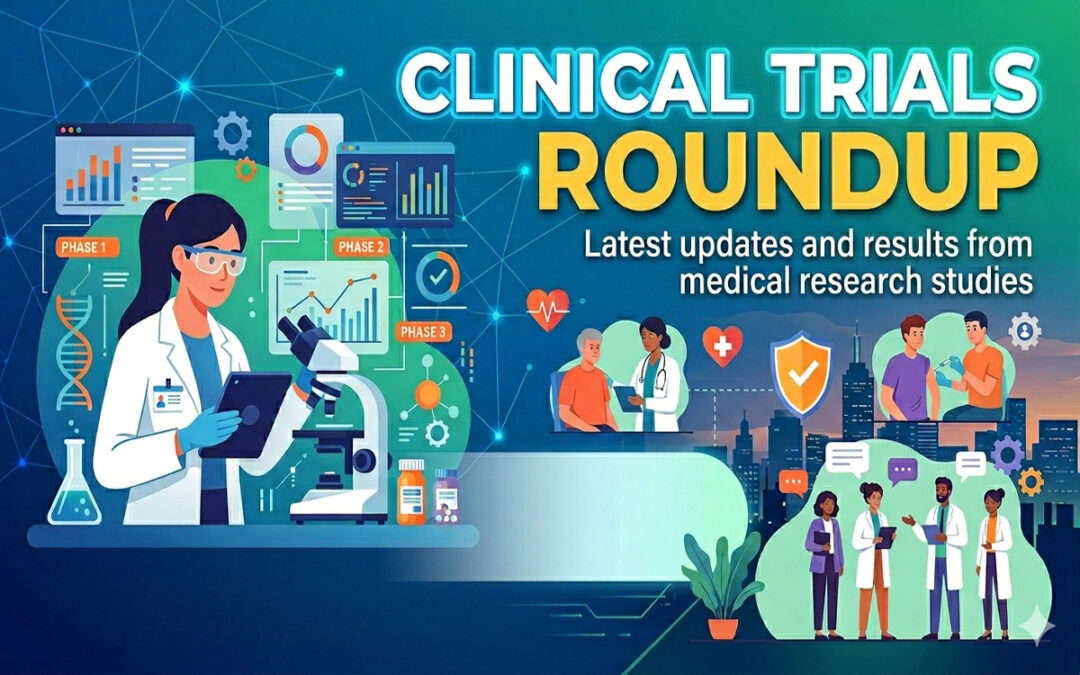
Clinical Trials Roundup | 21 Aug 2026
Merck and Moderna’s intismeran autogene meets its primary endpoint in the Phase 3 INTerpath-001 trial in completely resected melanoma, Ultragenyx’s Genglycos receives FDA accelerated approval as the first treatment for glycogen storage disease type Ia, argenx’s...

The Ketogenic Diet: Why Long-Term Safety Deserves Greater Scrutiny
The ketogenic diet has transitioned from a highly specialized therapeutic intervention to a widely promoted dietary strategy for weight loss, metabolic health, inflammation, and, in some circles, cancer prevention or treatment. Its popularity has outpaced the strength...
Join The Future Of Life Sciences Media
In a world overflowing with information, LifeScienceDaily.news stands apart as the dedicated space where life sciences professionals share what’s new, what’s next, and why it matters — all in real time.
Don’t wait for the media to pick up your story. Be the media.
Trending




More News

Evaluating Retrieval Systems for Clinical AI
Clinical decision support is not new, and it does not have to be complex to work. If anything, the simpler it is, the more likely clinicians are to use it. The best-known earlier example is the WHO surgical safety checklist, developed by a team led by Atul Gawande,...
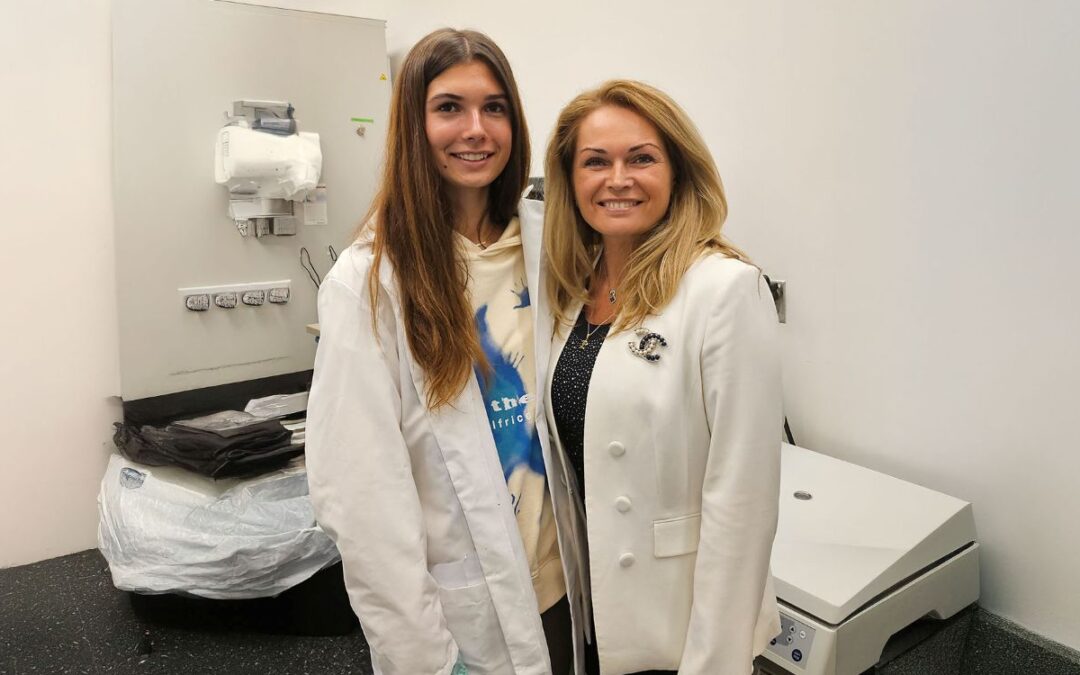
Women-Led Biotech Is Outperforming. Why Is Capital Lagging?
A new therapeutic can take a decade. Often hundreds of millions of dollars. Regulators checking the work at every stage along the way. So when a category of founders consistently delivers better returns on less capital, you'd expect investment patterns to reflect...

CSRD Reporting: What Has Changed for European Biotech
The European Union has rewritten its sustainability disclosure rules. The consequences for the life sciences sector are substantial. CSRD reporting was once expected to capture tens of thousands of companies across the bloc. It now applies to a far smaller group of...

Microalgae Biomaterials: Where the Carbon Math Holds, and Where it Fails
A research team at the University of Colorado Boulder took a marine dinoflagellate called Pyrocystis lunula, mixed it into 4 wt% sodium alginate, crosslinked the gel ionically in calcium chloride, and extruded it through a Cellink BIO X bioprinter into printed grids...

NHS Golden Jubilee First Scottish Hospital to Adopt Steriwave
NHS Golden Jubilee Becomes First Scottish Hospital to Adopt Light-Activated Infection Prevention Technology to Prevent Surgical Site Infections GLASGOW — Scotland’s flagship orthopaedic hospital, NHS Golden Jubilee, has become the first in the country to adopt an...

Receptor.AI and Sethera Partner on AI-Guided Peptide Drug Discovery
Receptor.AI and Sethera Therapeutics Form Integrated Discovery Alliance for AI-Guided Polymacrocyclic Peptide Medicines Collaboration combines Sethera's proprietary enzymatic polymacrocyclisation and trillion-scale encoded screening with Receptor.AI's physics-based...
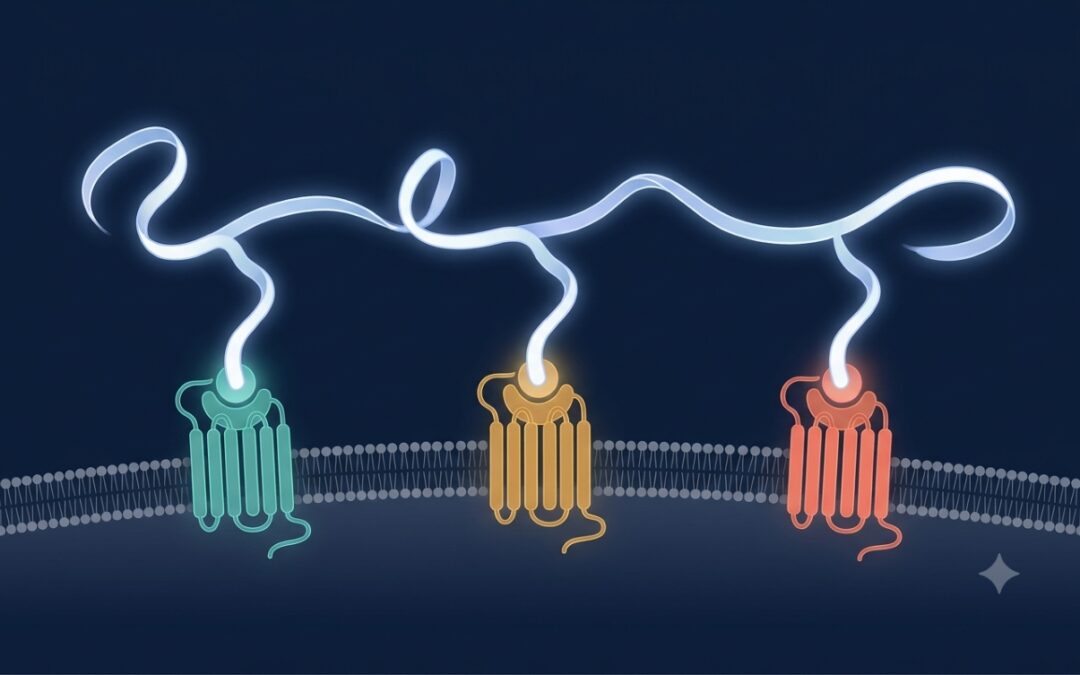
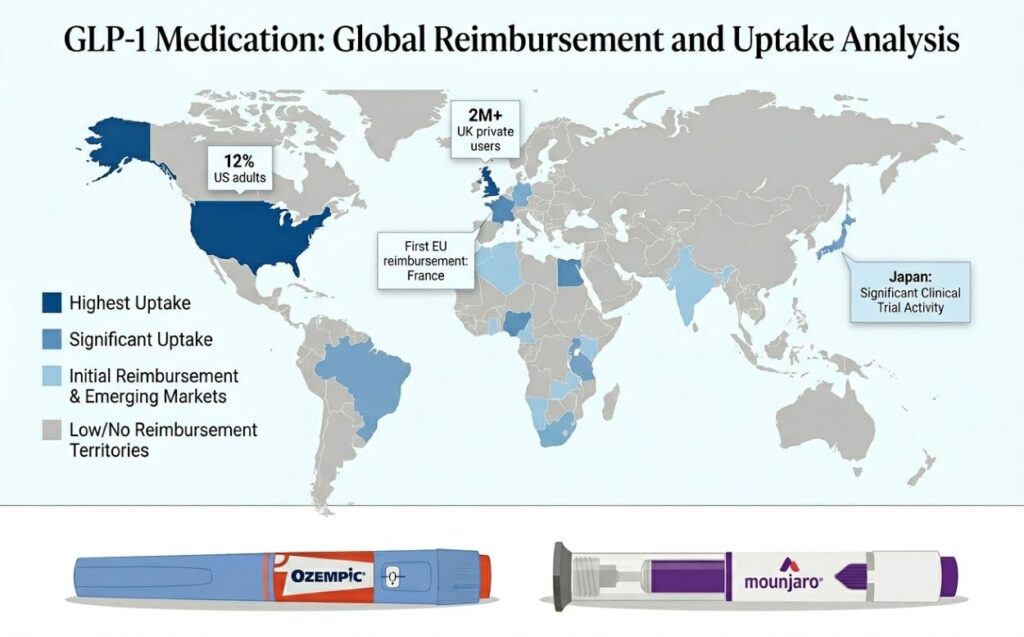
Dual and Triple Agonists Explained: GLP-1, GIP and Glucagon
Obesity and diabetes medicine has moved a long way from the single-hormone era. Dual and triple agonists are engineered molecules that switch on two or three hormone receptors at once. They now dominate the late-stage pipeline, and the highest doses tested have...

Ziltivekimab ZEUS Trial: What the Null Result Means
The ziltivekimab ZEUS trial has produced one of the more instructive negative results in recent cardiovascular medicine. Novo Nordisk announced headline results on 31 July 2026 showing that its once-monthly interleukin-6 inhibitor ziltivekimab lowered inflammation...
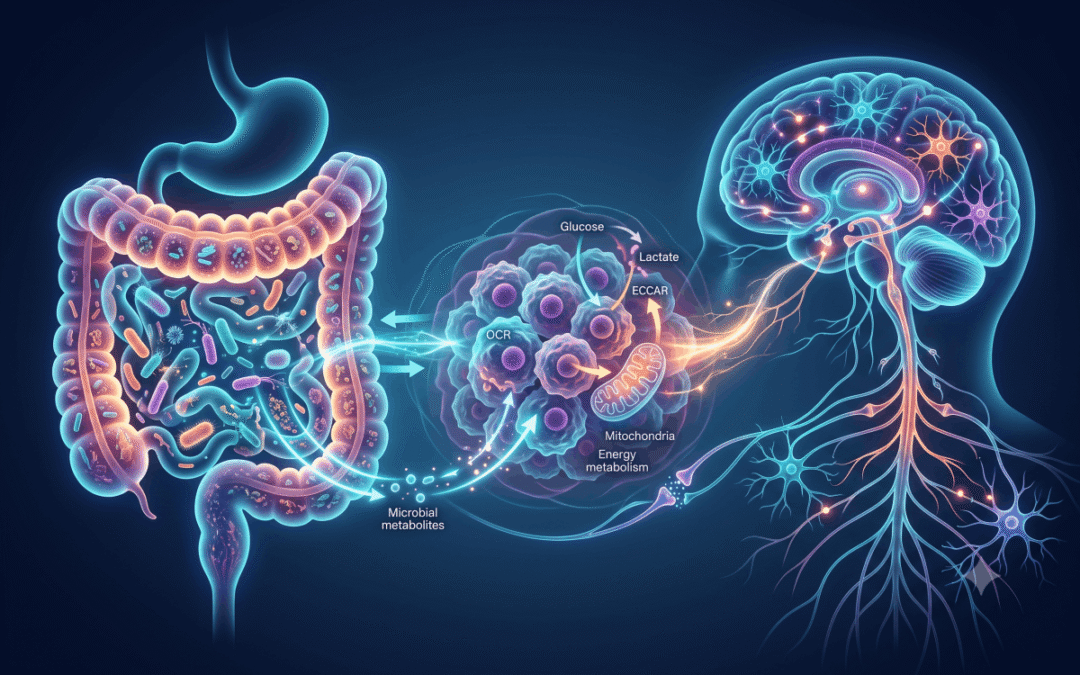
How the Gut-Brain-Metabolism Axis Is Reshaping Targeted Therapy
For decades, the fields of oncology, neuroscience, and microbiology operated in distinct silos within therapeutic research and clinical practice. Modern drug discovery, however, is rapidly witnessing a paradigm shift toward systemic biology. Researchers increasingly...

Singapore Radiopharmaceutical Market: How H2 2026 Looks
The Singapore radiopharmaceutical market enters the second half of 2026 with more clinical capacity, more research output and a heavier regulatory calendar than at any previous point. New imaging infrastructure came online at the end of 2025, first-in-human data from...

Why True Health Foods Need Evidence, Not Fashion
Functional foods have entered the mainstream, but adding a recognised ingredient is not the same as creating a credible product. A cardiologist argues that the category’s next phase will be won on scientific rationale, dose and honest communication, not on the length...

How Clinical Research Is Transforming the Future of Sarcoma Care
Rare cancers present one of the greatest challenges in modern oncology. Individually uncommon but collectively accounting for around one in five cancer diagnoses worldwide, they have historically attracted less research funding, fewer clinical trials and limited...
Evaluating Retrieval Systems for Clinical AI
Clinical decision support is not new, and it does not have to be complex to work. If anything, the simpler it is, the more likely clinicians are to use it. The best-known earlier example is the WHO surgical safety checklist, developed by a team led by Atul Gawande,...
Women-Led Biotech Is Outperforming. Why Is Capital Lagging?
A new therapeutic can take a decade. Often hundreds of millions of dollars. Regulators checking the work at every stage along the way. So when a category of founders consistently delivers better returns on less capital, you'd expect investment patterns to reflect...
CSRD Reporting: What Has Changed for European Biotech
The European Union has rewritten its sustainability disclosure rules. The consequences for the life sciences sector are substantial. CSRD reporting was once expected to capture tens of thousands of companies across the bloc. It now applies to a far smaller group of...
Microalgae Biomaterials: Where the Carbon Math Holds, and Where it Fails
A research team at the University of Colorado Boulder took a marine dinoflagellate called Pyrocystis lunula, mixed it into 4 wt% sodium alginate, crosslinked the gel ionically in calcium chloride, and extruded it through a Cellink BIO X bioprinter into printed grids...
NHS Golden Jubilee First Scottish Hospital to Adopt Steriwave
NHS Golden Jubilee Becomes First Scottish Hospital to Adopt Light-Activated Infection Prevention Technology to Prevent Surgical Site Infections GLASGOW — Scotland’s flagship orthopaedic hospital, NHS Golden Jubilee, has become the first in the country to adopt an...
Receptor.AI and Sethera Partner on AI-Guided Peptide Drug Discovery
Receptor.AI and Sethera Therapeutics Form Integrated Discovery Alliance for AI-Guided Polymacrocyclic Peptide Medicines Collaboration combines Sethera's proprietary enzymatic polymacrocyclisation and trillion-scale encoded screening with Receptor.AI's physics-based...
Dual and Triple Agonists Explained: GLP-1, GIP and Glucagon
Obesity and diabetes medicine has moved a long way from the single-hormone era. Dual and triple agonists are engineered molecules that switch on two or three hormone receptors at once. They now dominate the late-stage pipeline, and the highest doses tested have...
Ziltivekimab ZEUS Trial: What the Null Result Means
The ziltivekimab ZEUS trial has produced one of the more instructive negative results in recent cardiovascular medicine. Novo Nordisk announced headline results on 31 July 2026 showing that its once-monthly interleukin-6 inhibitor ziltivekimab lowered inflammation...
How the Gut-Brain-Metabolism Axis Is Reshaping Targeted Therapy
For decades, the fields of oncology, neuroscience, and microbiology operated in distinct silos within therapeutic research and clinical practice. Modern drug discovery, however, is rapidly witnessing a paradigm shift toward systemic biology. Researchers increasingly...
Singapore Radiopharmaceutical Market: How H2 2026 Looks
The Singapore radiopharmaceutical market enters the second half of 2026 with more clinical capacity, more research output and a heavier regulatory calendar than at any previous point. New imaging infrastructure came online at the end of 2025, first-in-human data from...
Why True Health Foods Need Evidence, Not Fashion
Functional foods have entered the mainstream, but adding a recognised ingredient is not the same as creating a credible product. A cardiologist argues that the category’s next phase will be won on scientific rationale, dose and honest communication, not on the length...
How Clinical Research Is Transforming the Future of Sarcoma Care
Rare cancers present one of the greatest challenges in modern oncology. Individually uncommon but collectively accounting for around one in five cancer diagnoses worldwide, they have historically attracted less research funding, fewer clinical trials and limited...
Featured Articles


Further News
Weekly News Roundup | 03 August 2026
Life science news 3 August 2026: argenx pays $2.2 billion for what it calls a first-in-class anti-CD122 antibody, Johnson & Johnson strikes agreements worth up to $3.5 billion with in vivo CAR-T developer Sail Biomedicines, and GSK launches a £1.9 billion savings...

Personalized Cancer Care: How the Immune System is Reshaping Oncology
Immuno-oncology is not a new frontier, and for years, therapies like checkpoint inhibitors have reshaped how we treat certain cancers. While early approaches established that the immune system could fight cancer, the field has seen both major breakthroughs and clear...
FDA PreCheck Program: Seven Companies Chosen to Reshape US Manufacturing
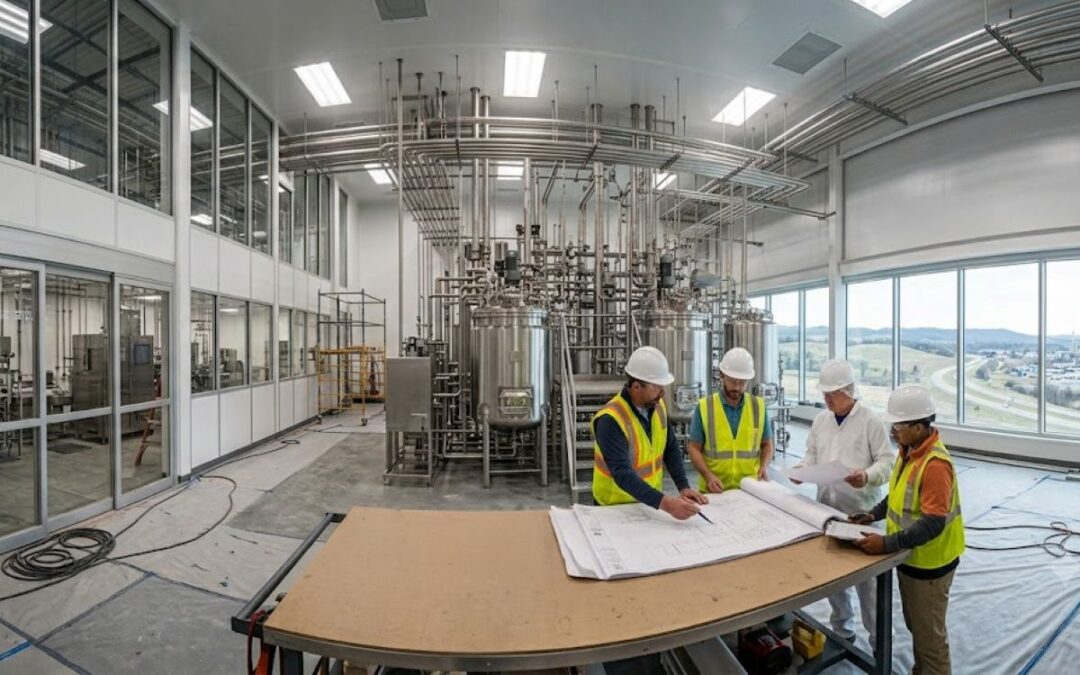
The United States Food and Drug Administration has selected seven pharmaceutical and biotechnology companies for its FDA PreCheck Program, a pilot initiative designed to accelerate the establishment of new domestic drug manufacturing facilities. Announced on 7 August...
Retatrutide Phase 3 Data: Record Weight Loss, Unanswered Questions
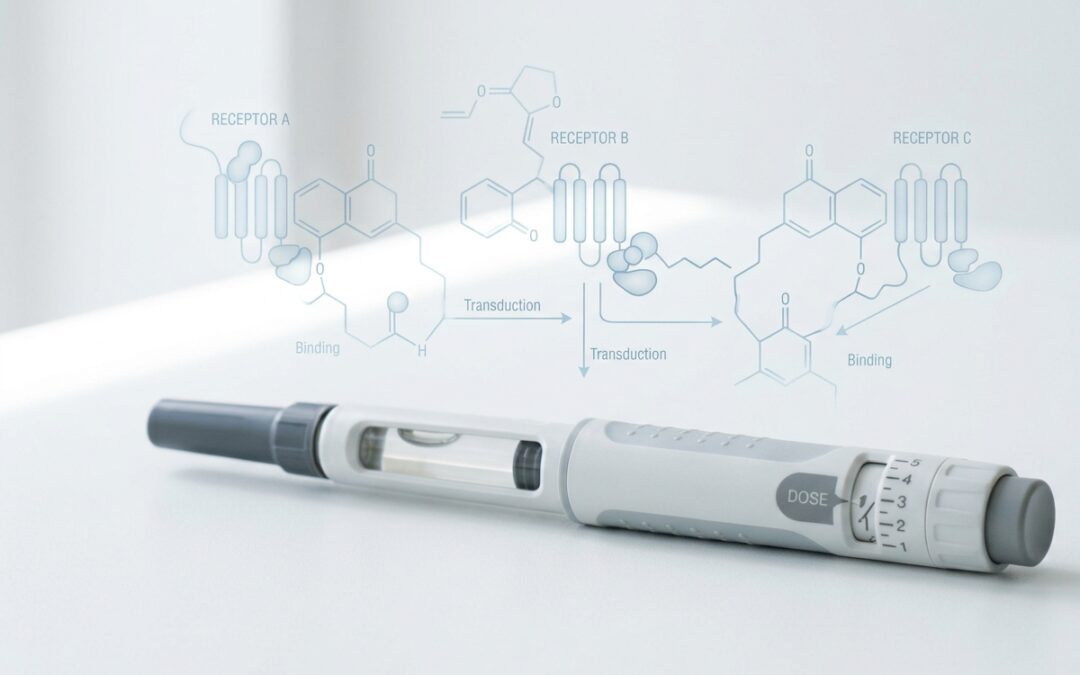
Retatrutide, Eli Lilly’s investigational triple hormone receptor agonist, has now reported positive results across five Phase 3 trials. In the pivotal TRIUMPH-1 obesity study, participants on the highest dose lost an average of 28.3% of their body weight at 80 weeks,...

Responsible AI in Healthcare: Building Trust for Clinical Innovation
Artificial intelligence (AI) is rapidly transforming healthcare, moving beyond research laboratories into hospitals, clinics, and public health systems worldwide. Today, AI supports clinicians in areas such as medical imaging, clinical documentation, decision support,...

FDA Drug Approval Decisions
Last updated 31 July 2026. Covering target action dates from August to December 2026. The closing stretch of the third quarter has become the busiest regulatory window of 2026. Between early August and the end of September, the US Food and Drug Administration faces...
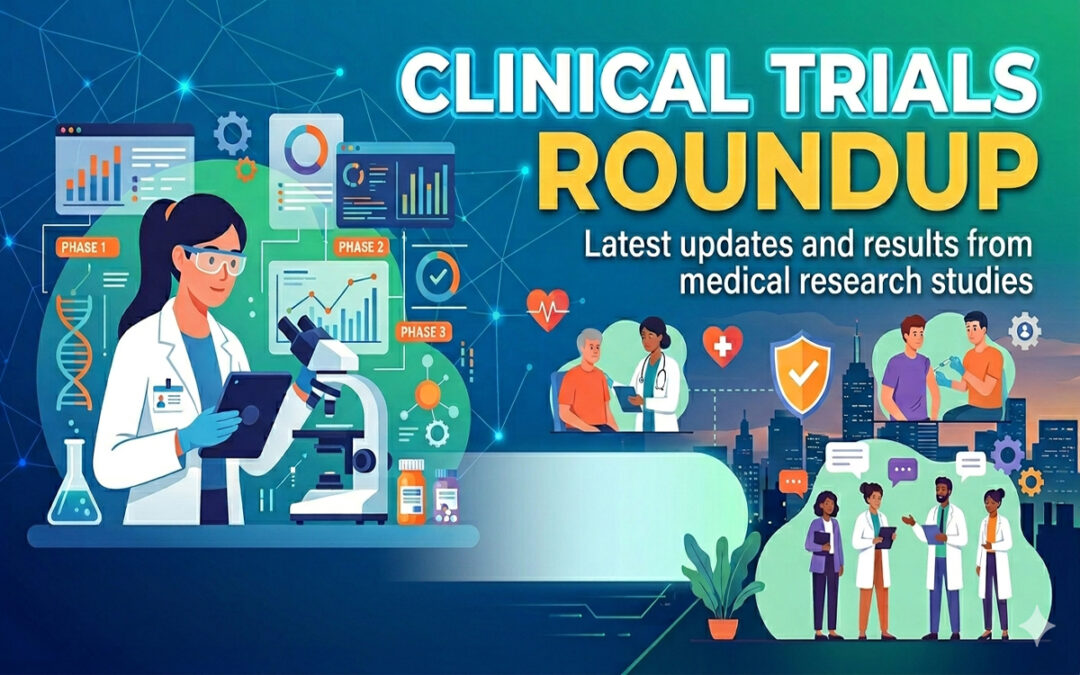
Clinical Trials Roundup | 31 July 2026
An FDA advisory committee votes against Capricor Therapeutics' deramiocel in Duchenne muscular dystrophy cardiomyopathy, Pfizer's ritlecitinib meets its co-primary endpoints in two Phase 3 nonsegmental vitiligo trials, Karyopharm Therapeutics' selinexor misses its...

The Security Blind Spot in Life Science Digitalization
The life sciences sector is in the midst of a digital transformation that most security teams were not built to handle. AI-driven drug discovery platforms, cloud-connected lab equipment, genomic databases, and real-time patient data pipelines are creating attack...

Making AI Work in a Regulated Medtech Industry
For several years, AI has been viewed as one of the biggest opportunities for the medtech sector. With an industry survey finding that 91% of leaders were enthusiastic about its potential, early conversations centred on how it could transform healthcare delivery and...

Measuring the Human Variables Healthcare Systems Continue to Miss
Healthcare organizations have never had more data available to them. Leaders monitor patient satisfaction scores, staffing ratios, productivity, quality indicators, denial rates, wait times, and length of stay. The dashboards are sophisticated, the reporting cadence...

Have We Lost the Plot? Why Life Sciences Can’t Let AI Become the Mission
It’s impossible to escape the topic of AI right now. AI hype in life sciences now dominates every boardroom, industry conference, pitch deck and earnings call. But we’ve seen this movie before. A decade ago, the topic was the cloud, and it, too, was everywhere -...

Biotech IPO 2026: From Drought to Record-Breaking Deals
The first half of 2026 has delivered a decisive answer to a question the life sciences industry has been asking for years: is the biotech IPO window finally open again? The drought bottomed out in 2025, when fewer biotechs went public than in any year in at least half...
Further News
Want to Be Part of the Next Chapter in Life Sciences Media?
LifeScienceDaily.news is building a new kind of platform where innovators, researchers, and industry leaders tell their own stories and shape the narrative of what’s next in life sciences. Share your story and lead the conversation.
Don’t wait for the media to pick up your story. Be the media.
See More Articles





Want to Be Part of the Next Chapter in Life Sciences Media?
LifeScienceDaily.news is building a new kind of platform where innovators, researchers, and industry leaders tell their own stories and shape the narrative of what’s next in life sciences. Share your story and lead the conversation.