

Latest News

The Ketogenic Diet: Why Long-Term Safety Deserves Greater Scrutiny
The ketogenic diet has transitioned from a highly specialized therapeutic intervention to a widely promoted dietary strategy for weight loss, metabolic health, inflammation, and, in some circles, cancer prevention or treatment. Its popularity has outpaced the strength...
Latest News

LSD Anxiety Data: Definium Hits All Phase 3 Endpoints
Definium Therapeutics has reported positive results from its first Phase 3 LSD anxiety trial. The data push a psychedelic medicine closer to a regulatory filing in a condition that has not seen a new drug approval since 2007. The company said on 12 August that Voyage...

Panthera Opens New Clinical Research Clinic at Keele University
13 August 2026 - Panthera has opened its latest clinical trial clinic at Keele University, further strengthening its growing clinical research network across the UK and Europe. Panthera, which is the UK's largest independent Site Management Organisation (SMO),...
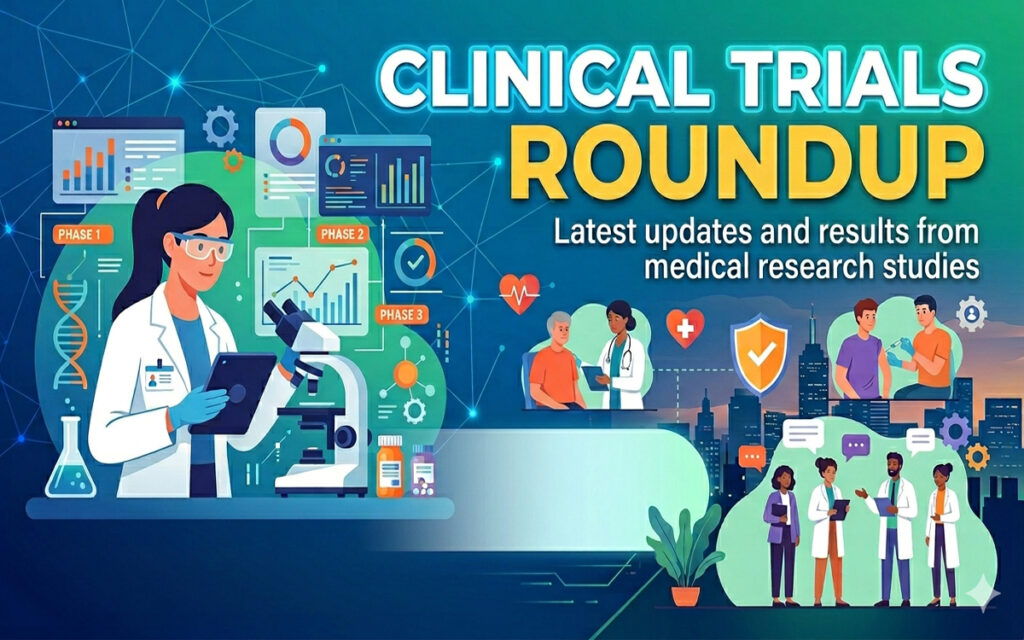
Clinical Trials Roundup | 14 Aug 2026
Tenax Therapeutics' TNX-103 misses its primary endpoint in the Phase 3 LEVEL trial in pulmonary hypertension due to heart failure with preserved ejection fraction, AbCellera's ABCL635 meets both primary efficacy endpoints in a Phase 2 trial in menopausal vasomotor...

From Laboratory to Market: Risk Planning for Life Science Companies
The UK life sciences sector is entering an important phase of growth. The Government's Life Sciences Sector Plan sets an ambition for the UK to become the leading life sciences economy in Europe by 2030 and the third globally by 2035. It also reports that the sector...
Join The Future Of Life Sciences Media
In a world overflowing with information, LifeScienceDaily.news stands apart as the dedicated space where life sciences professionals share what’s new, what’s next, and why it matters — all in real time.
Don’t wait for the media to pick up your story. Be the media.
Trending





More News

The Security Blind Spot in Life Science Digitalization
The life sciences sector is in the midst of a digital transformation that most security teams were not built to handle. AI-driven drug discovery platforms, cloud-connected lab equipment, genomic databases, and real-time patient data pipelines are creating attack...

Making AI Work in a Regulated Medtech Industry
For several years, AI has been viewed as one of the biggest opportunities for the medtech sector. With an industry survey finding that 91% of leaders were enthusiastic about its potential, early conversations centred on how it could transform healthcare delivery and...

Measuring the Human Variables Healthcare Systems Continue to Miss
Healthcare organizations have never had more data available to them. Leaders monitor patient satisfaction scores, staffing ratios, productivity, quality indicators, denial rates, wait times, and length of stay. The dashboards are sophisticated, the reporting cadence...

Have We Lost the Plot? Why Life Sciences Can’t Let AI Become the Mission
It’s impossible to escape the topic of AI right now. AI hype in life sciences now dominates every boardroom, industry conference, pitch deck and earnings call. But we’ve seen this movie before. A decade ago, the topic was the cloud, and it, too, was everywhere -...

Biotech IPO 2026: From Drought to Record-Breaking Deals
The first half of 2026 has delivered a decisive answer to a question the life sciences industry has been asking for years: is the biotech IPO window finally open again? The drought bottomed out in 2025, when fewer biotechs went public than in any year in at least half...

Want the FDA to Make Peptides More Accessible?
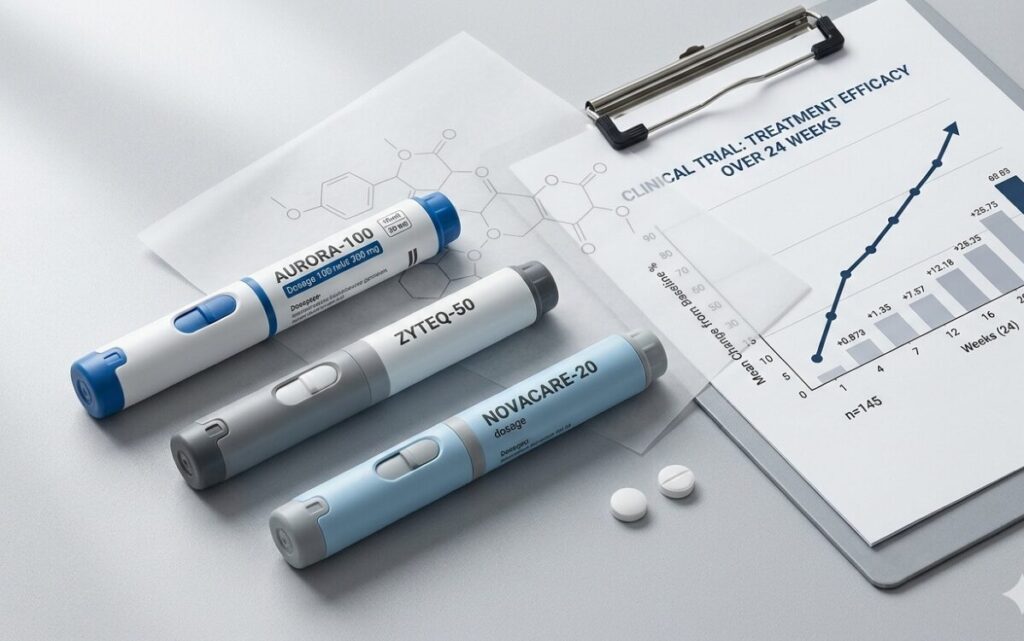
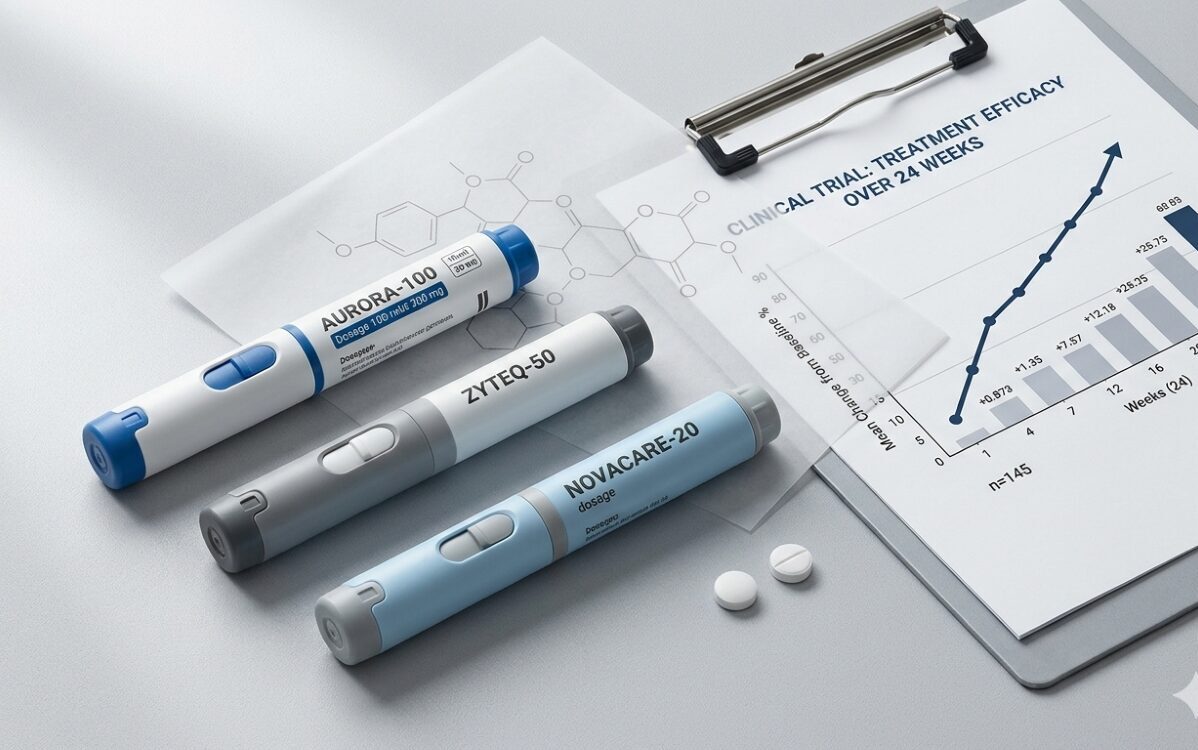
As the FDA considers reclassifying seven popular peptides, experts say the decision could change how patients access these compounds. As the FDA evaluates whether several commonly used peptides should become eligible for pharmacy compounding, the outcome could...
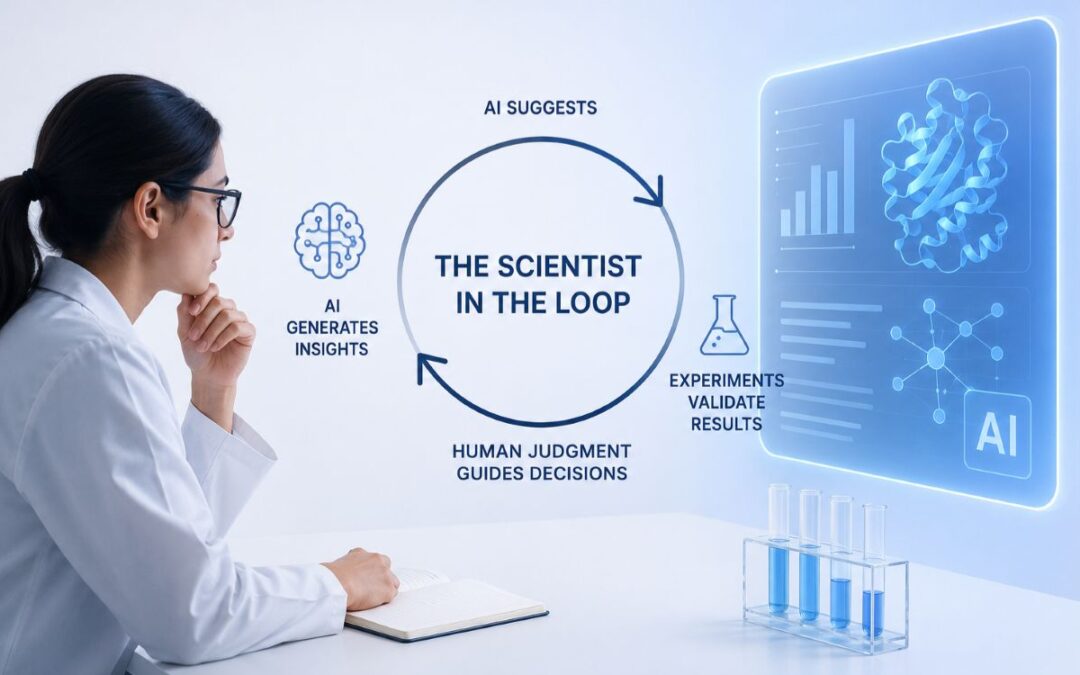
The Scientist in the Loop: Why Biopharma R&D Still Needs Human Judgment
Two years into the biopharma industry's most sustained experiment with artificial intelligence, the honest answer to "what has changed" is not the one most conference keynotes suggest. It is not that biopharma AI now runs the laboratory. It is that AI has become very...
How Can We Protect a Failing Heart Using Your Own Mini-Hearts?
Cardiovascular disease in Australia claims one life every 12 minutes. The irreversible damage to the heart is known as heart failure, a condition that progressively prevents the heart from providing the proper amount of blood to our body. This means that patients will...

Early Recognition of Actinic Keratosis in an Aging Population
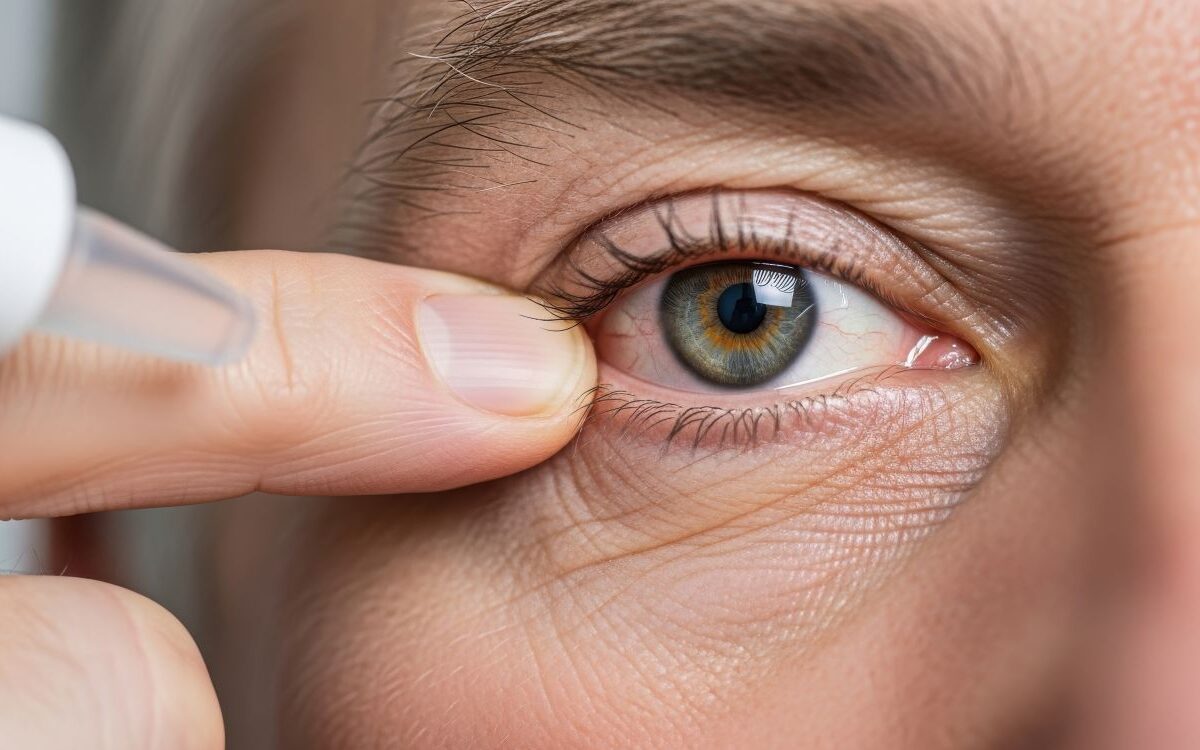
Healthy aging has changed dramatically over the past several decades. Preventive medicine has expanded well beyond treating disease to identifying health risks before they become serious problems. Today, patients routinely discuss blood pressure, cholesterol,...

Psychedelic Medicine Commercialization: Altered Perceptions
Lilly’s acquisition of AtaiBeckley validates the therapeutic and economic promise of rapid-acting neuroplastogens. It also raises a harder question: can commercial teams redesign the beliefs surrounding these medicines as effectively as scientists are redesigning the...
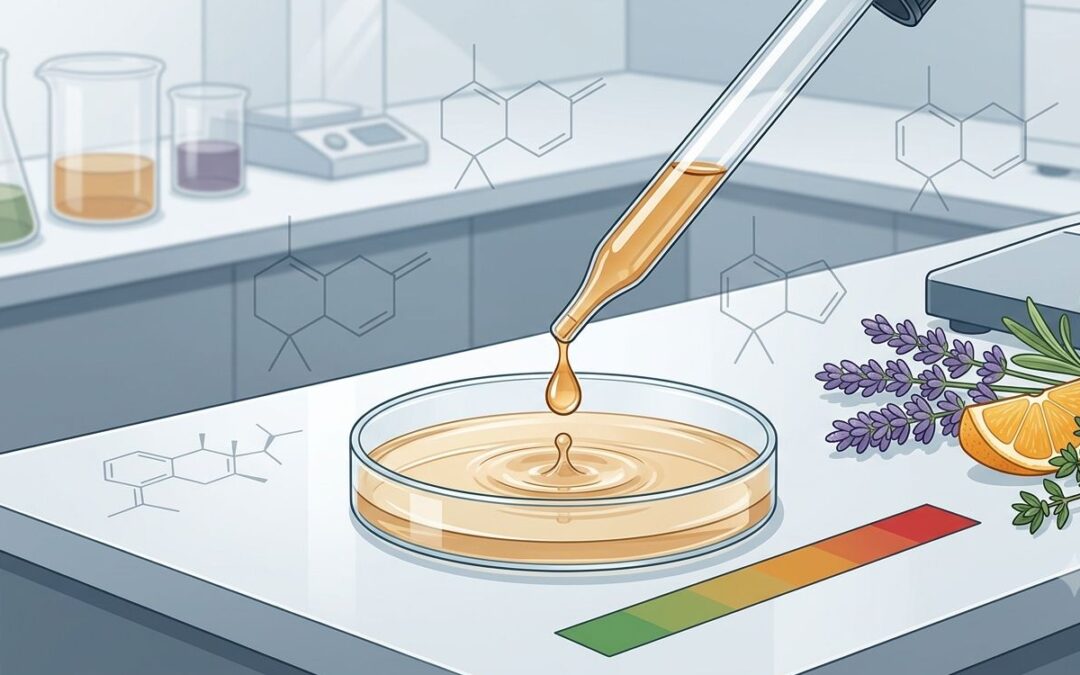
Safety, Toxicology, and Risk Assessment of Essential Oils
Essential oils are complex mixtures of volatile phytochemicals that have long been incorporated into traditional medicine, personal care products, aromatherapy, and topical therapeutic formulations. Their diverse biological activities—including antimicrobial,...
Weekly News Roundup | 27 July 2026
Life science news 27 July 2026: GSK wins its first lung cancer approval with a selective ROS1 inhibitor, Lilly's triple agonist retatrutide delivers up to 22.6 per cent weight loss in two pivotal trials, and the MHRA clears what it calls the world's first lower-carbon...
The Security Blind Spot in Life Science Digitalization
The life sciences sector is in the midst of a digital transformation that most security teams were not built to handle. AI-driven drug discovery platforms, cloud-connected lab equipment, genomic databases, and real-time patient data pipelines are creating attack...
Making AI Work in a Regulated Medtech Industry
For several years, AI has been viewed as one of the biggest opportunities for the medtech sector. With an industry survey finding that 91% of leaders were enthusiastic about its potential, early conversations centred on how it could transform healthcare delivery and...
Measuring the Human Variables Healthcare Systems Continue to Miss
Healthcare organizations have never had more data available to them. Leaders monitor patient satisfaction scores, staffing ratios, productivity, quality indicators, denial rates, wait times, and length of stay. The dashboards are sophisticated, the reporting cadence...
Have We Lost the Plot? Why Life Sciences Can’t Let AI Become the Mission
It’s impossible to escape the topic of AI right now. AI hype in life sciences now dominates every boardroom, industry conference, pitch deck and earnings call. But we’ve seen this movie before. A decade ago, the topic was the cloud, and it, too, was everywhere -...
Biotech IPO 2026: From Drought to Record-Breaking Deals
The first half of 2026 has delivered a decisive answer to a question the life sciences industry has been asking for years: is the biotech IPO window finally open again? The drought bottomed out in 2025, when fewer biotechs went public than in any year in at least half...
Want the FDA to Make Peptides More Accessible?
As the FDA considers reclassifying seven popular peptides, experts say the decision could change how patients access these compounds. As the FDA evaluates whether several commonly used peptides should become eligible for pharmacy compounding, the outcome could...
The Scientist in the Loop: Why Biopharma R&D Still Needs Human Judgment
Two years into the biopharma industry's most sustained experiment with artificial intelligence, the honest answer to "what has changed" is not the one most conference keynotes suggest. It is not that biopharma AI now runs the laboratory. It is that AI has become very...
How Can We Protect a Failing Heart Using Your Own Mini-Hearts?
Cardiovascular disease in Australia claims one life every 12 minutes. The irreversible damage to the heart is known as heart failure, a condition that progressively prevents the heart from providing the proper amount of blood to our body. This means that patients will...
Early Recognition of Actinic Keratosis in an Aging Population
Healthy aging has changed dramatically over the past several decades. Preventive medicine has expanded well beyond treating disease to identifying health risks before they become serious problems. Today, patients routinely discuss blood pressure, cholesterol,...
Psychedelic Medicine Commercialization: Altered Perceptions
Lilly’s acquisition of AtaiBeckley validates the therapeutic and economic promise of rapid-acting neuroplastogens. It also raises a harder question: can commercial teams redesign the beliefs surrounding these medicines as effectively as scientists are redesigning the...
Safety, Toxicology, and Risk Assessment of Essential Oils
Essential oils are complex mixtures of volatile phytochemicals that have long been incorporated into traditional medicine, personal care products, aromatherapy, and topical therapeutic formulations. Their diverse biological activities—including antimicrobial,...
Weekly News Roundup | 27 July 2026
Life science news 27 July 2026: GSK wins its first lung cancer approval with a selective ROS1 inhibitor, Lilly's triple agonist retatrutide delivers up to 22.6 per cent weight loss in two pivotal trials, and the MHRA clears what it calls the world's first lower-carbon...
Featured Articles

Further News
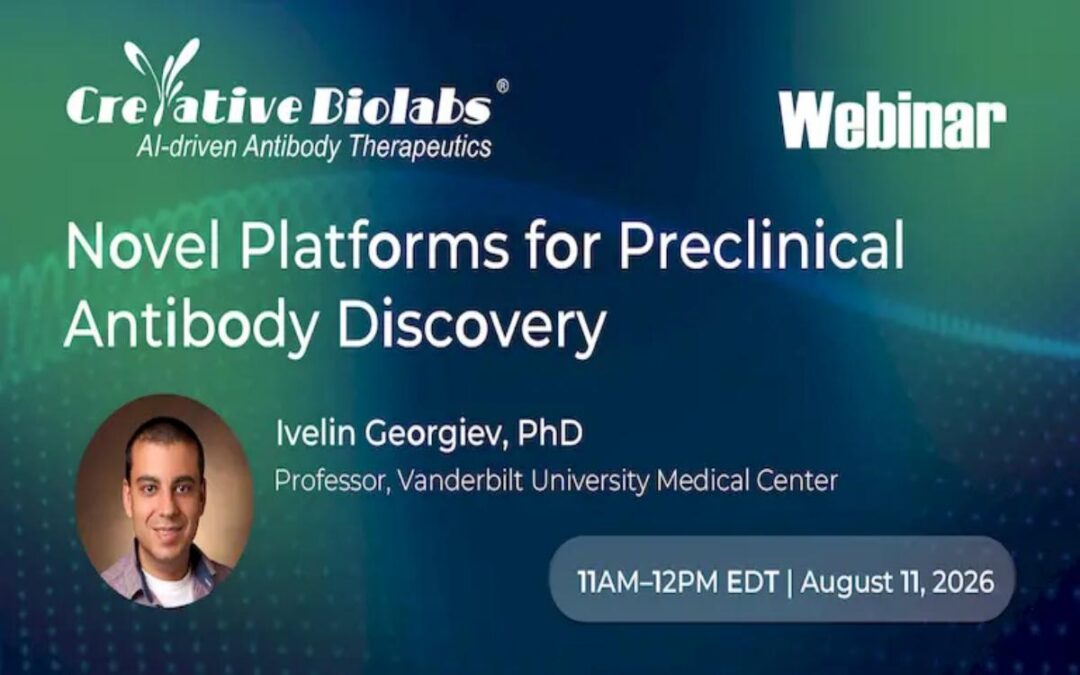
The Preclinical Bottleneck: Why Traditional Antibody Discovery Hits a Wall
The therapeutic landscape has been undeniably transformed by monoclonal antibodies (mAbs). From oncology to autoimmune disorders and emerging infectious diseases, mAbs represent one of the most powerful modalities in modern medicine. However, the initial phase of...
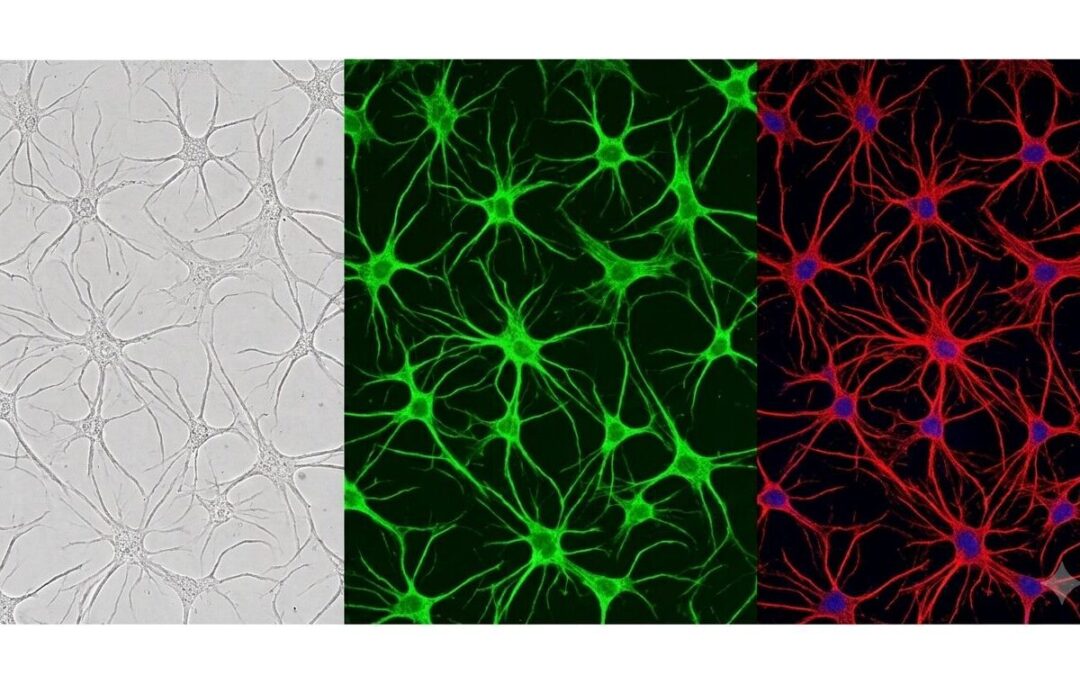
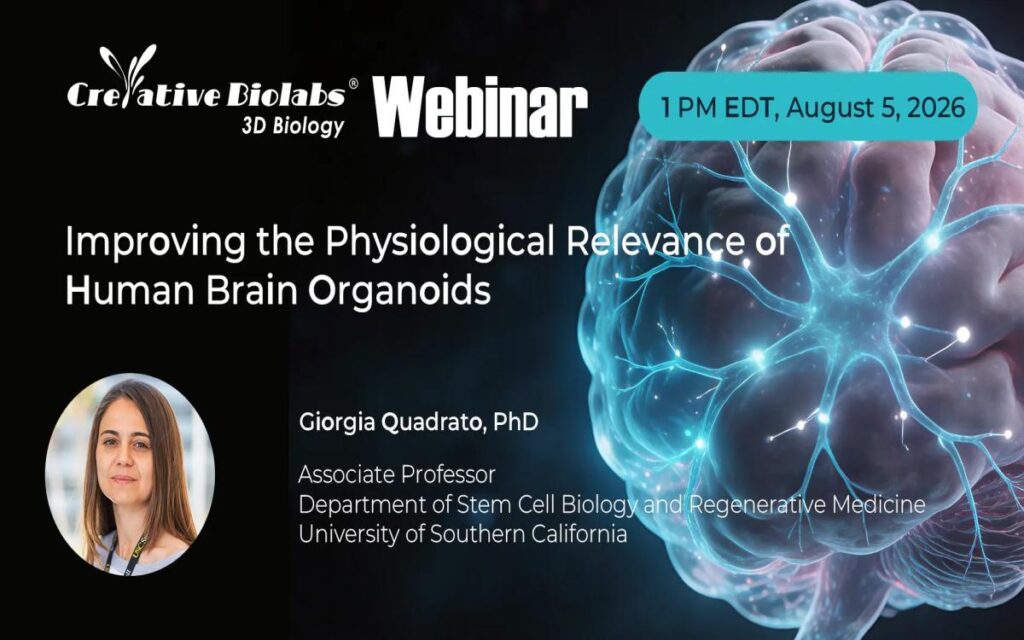
Exploring the Role of Astrocytes in MND With Translatable Human Cell Models
Motor Neuron Disease (MND) is characterised by the progressive loss of motor neurons. Despite years of research into the disease, effective treatments remain extremely limited and half of patients pass away within two years of diagnosis. To date there is no cure for...
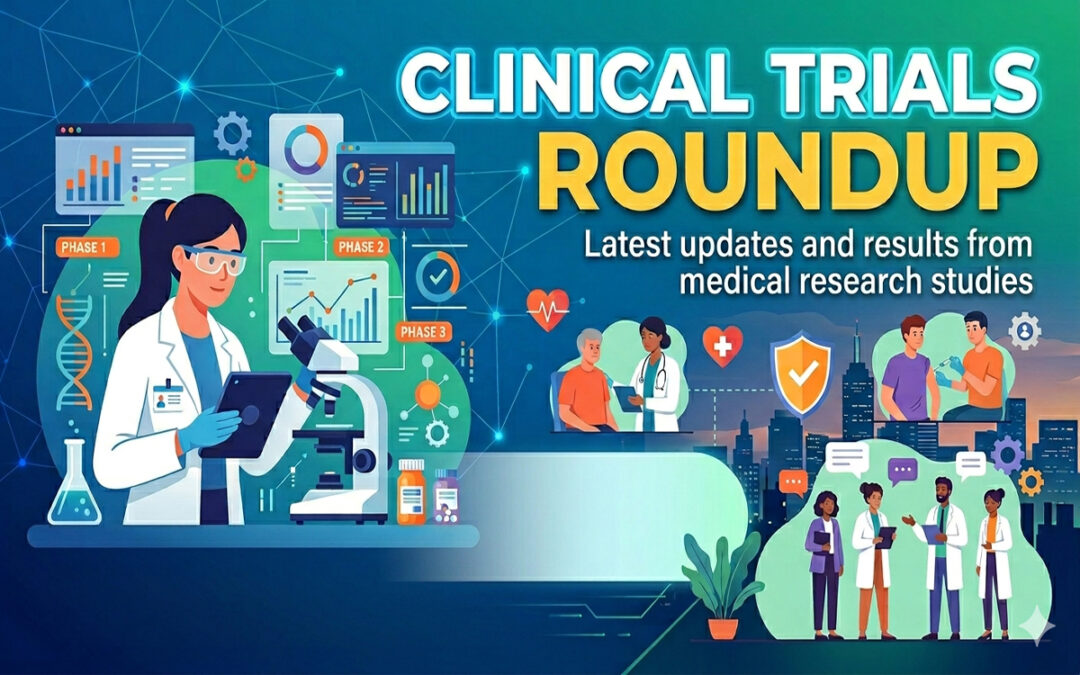
Clinical Trials Roundup | 24 July 2026
Merck's enlicitide receives FDA approval as the first oral PCSK9 inhibitor for adults with hypercholesterolaemia, GSK's zidesamtinib earns FDA approval as a next-generation ROS1 selective inhibitor for previously treated non-small cell lung cancer, GSK's camlipixant...

New Platform Pairly’s Rapid Growth Highlights Urgent Need to Simplify UK Social Care
An entrepreneur whose father died before care at home could be arranged has built a digital platform that is transforming how families find care across the UK. After experiencing first-hand how difficult it was to arrange support for his own father, Pairly co-founder...
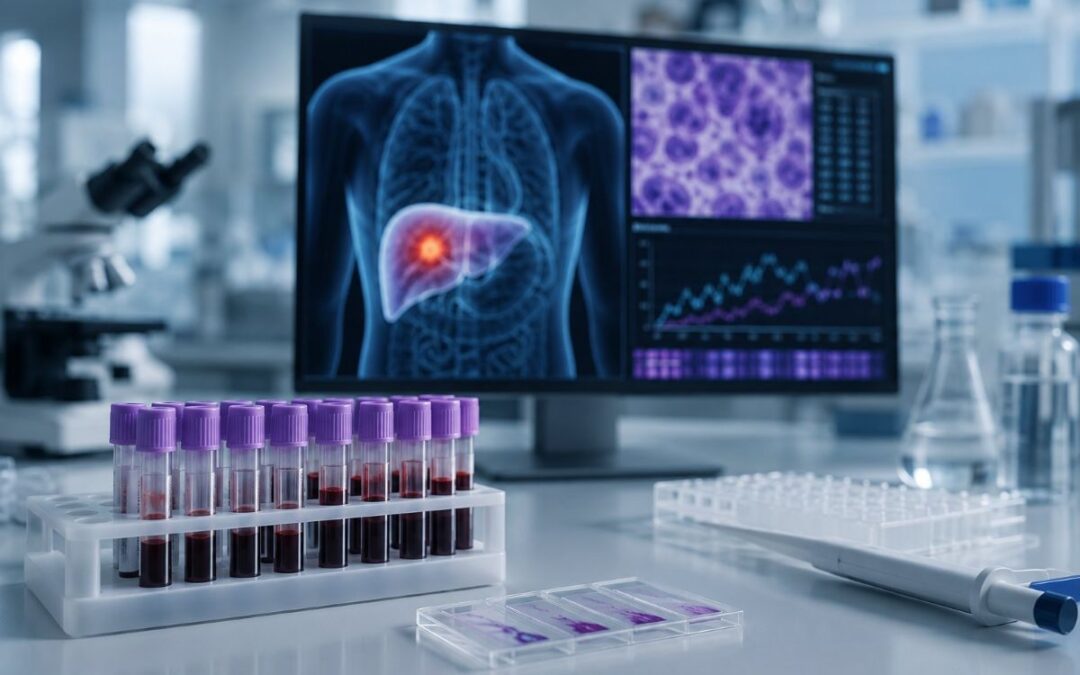
How Blood-Based Testing Could Close the Cancer Detection Gap
We have made real progress against cancer through better therapies, stronger treatments, and more precise diagnostics. Yet liver cancer, one of the fastest-rising causes of cancer-related death in the United States, remains a painful reminder that innovation does not...

Why Care Matching Still Struggles With Data, Location and AI
A family looking for home care may describe its situation in a few sentences. “My mother has dementia. She lives alone and needs someone there at night. She can still dress herself but sometimes forgets to eat. We need help soon.” A caregiver may describe her...

BMS, Lilly, Roche: The Pharma AI Supercomputer Race Heats Up
Bristol Myers Squibb announced on 20 July 2026 that it will deploy an NVIDIA DGX SuperPOD built on eight DGX Vera Rubin NVL72 systems, a move the company says will give it the most powerful and energy efficient single-owned NVIDIA infrastructure in the life sciences...
The False Economy of Returning to Manual PGD Processes
Across healthcare, financial pressure is forcing difficult decisions. Pharmacy teams are being asked to do more with less. Service expansion, dealing with NHS patients, workforce shortages remain acute, and every investment is being scrutinised. In this environment,...

Funding Pressures Push Researchers to Rethink Traditional Models
Australia's medical researchers have been handed a blunt new brief to simply do more with less. The newly published 10-year National Health and Medical Research Strategy from the Australian Government Department of Health, Disability and Ageing names a problem the...
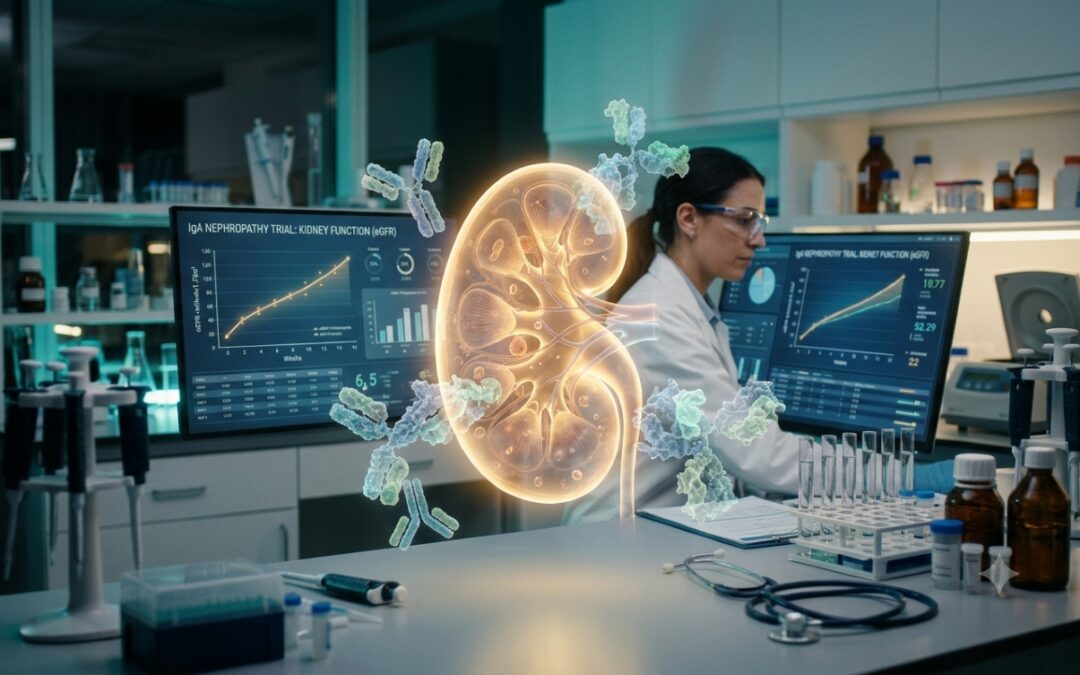
IgA Nephropathy Drug Pipeline Reaches Six Approvals in Five Years
IgA nephropathy, the most common primary glomerulonephritis worldwide, has undergone a remarkable transformation in its treatment landscape. Once managed solely with supportive care and immunosuppression of uncertain benefit, the IgA nephropathy drug pipeline now...

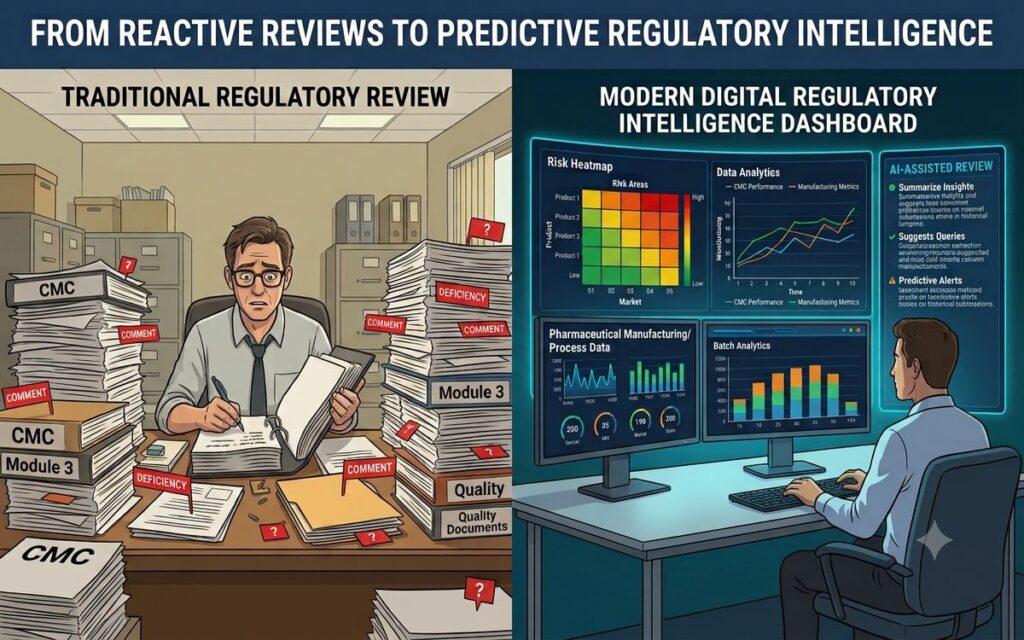
Compliant on Paper, Exposed in Practice
A pharmaceutical manufacturer completes a technology transfer. The validation protocols have been approved. Training records are complete, documentation has been reviewed, and every required signature has been collected. The project passes its milestones and moves...
The One Leadership Skill That Turns the Ordinary Into the Extraordinary
As healthcare and life sciences organizations confront workforce shortages, regulatory pressures, rapid technological change, and increasing operational complexity, building a pipeline of extraordinary leaders has never been more important. Many of these organizations...
Further News
Want to Be Part of the Next Chapter in Life Sciences Media?
LifeScienceDaily.news is building a new kind of platform where innovators, researchers, and industry leaders tell their own stories and shape the narrative of what’s next in life sciences. Share your story and lead the conversation.
Don’t wait for the media to pick up your story. Be the media.
See More Articles







Want to Be Part of the Next Chapter in Life Sciences Media?
LifeScienceDaily.news is building a new kind of platform where innovators, researchers, and industry leaders tell their own stories and shape the narrative of what’s next in life sciences. Share your story and lead the conversation.