For over a decade, the administrative burden in specialty medicine has quietly worsened. Orthopedic surgeons doing 40 patients a day are spending more time in the EHR than in the room. Ambient AI scribes have changed that equation in ways that are only beginning to...
Beyond the Benchmark: A Four-Layer Framework for Evaluating Healthcare AI
Healthcare AI is often evaluated where it is easiest to measure: on a dataset. Accuracy, sensitivity, specificity, calibration, retrieval quality, hallucination rates and task-completion scores all matter. But they answer only the first question: can the model perform...
The Next Era of Cardiorenal Care Is Precision Fluid Management
Medicine has become increasingly specialized over the past several decades, driving tremendous advances in our ability to diagnose and treat complex diseases. Specialists now possess deeper expertise than ever before, allowing clinicians to deliver highly targeted...
From Digital Transformation to Operational Intelligence in Healthcare
Healthcare has never really had a technology problem. The greater challenge has been turning technology into better ways of working. Over the past decade, healthcare organizations have invested heavily in electronic health records, digital services, automation,...
Fatty Pancreas Disorder and the New Era of Integrated Obesity Management
Obesity is increasingly recognized as a chronic systemic disease characterized not only by excess adiposity but also by progressive dysfunction of multiple organs. Recent advances have shifted attention from body weight alone toward ectopic fat deposition as a major...
Rethinking Biomedical Research in the Age of AI
The paradox of modern biomedical research Biomedical research has never generated so much knowledge, and researchers have never struggled so much to keep pace with it. PubMed now indexes more than 40 million references drawn from roughly 26,000 journals[1]....
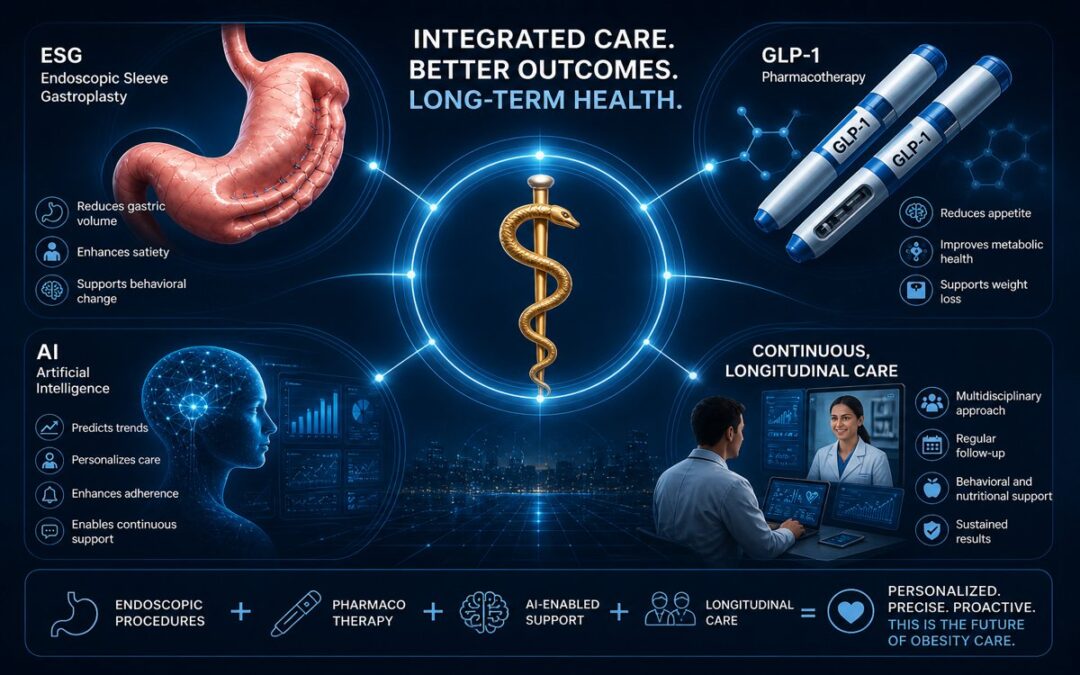
Beyond GLP-1: The Future of Obesity Care is Hybrid
The emergence of GLP-1 receptor agonists has fundamentally reshaped obesity treatment. For the first time, we are seeing consistent, clinically meaningful weight loss at scale, supported by robust clinical programs such as STEP and SURMOUNT (Wilding et al., 2021;...
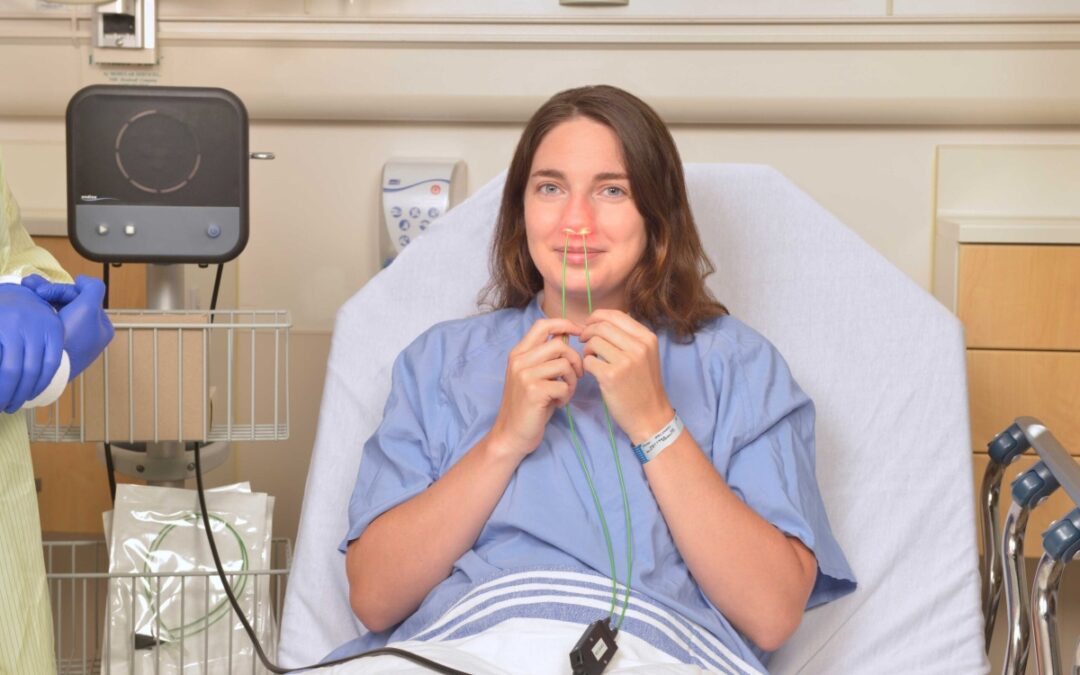
Is Photodisinfection the New Alternative to Traditional Antibiotics?
Few ideas in modern medicine are as unsettling as the prospect of a “post-antibiotic era.” For decades, antibiotics have underpinned infection control, transforming once-lethal diseases into manageable conditions. Yet their effectiveness is steadily eroding....
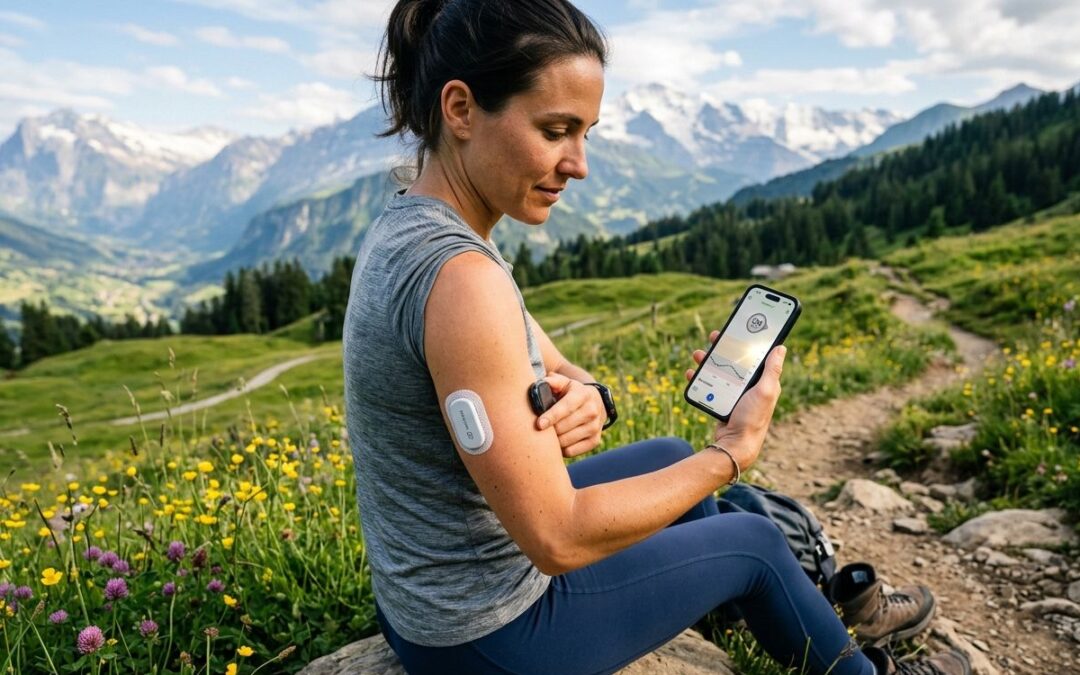
From Wrist to Ward: Which Wearables Have Earned Clinical Trust
The wearable health technology market has expanded at a pace that regulators, clinicians, and patients have struggled to keep up with. Smartwatches, adhesive biosensors, continuous glucose monitors, and cardiac patches are now part of the fabric of daily life for...
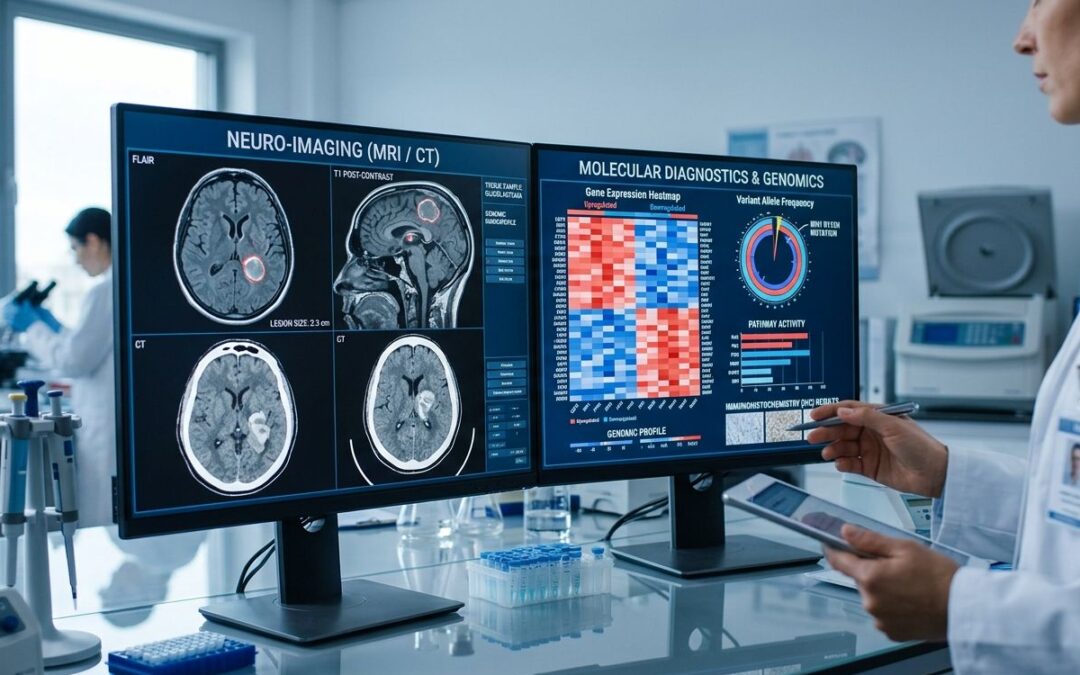
Why Innovation in Oncology Diagnostics Is An Imperative We Must Prioritize
Not long ago, I spoke with a colleague, a mother named Kelley who has spent the past two years asking a question that increasingly reflects a broader challenge in oncology: If technologies exist to detect cancer earlier, why aren’t we dedicating more effort to support...
Doctor, Patient, Agent: A New Clinical Triad for Medicine
By 6:45 AM, the dashboard is already waiting. A longevity physician sits down with coffee and reads what the monitoring agent assembled overnight: a falling seven-day HRV trend in a patient recovering from a viral illness, a queued statin titration for a...
Physiology: The Missing Layer in Precision Medicine
Precision medicine has been positioned as one of the most promising evolutions in modern healthcare. Gene panels. Liquid biopsies. Microbiome-targeted therapies. Multi-omics integration. The premise is compelling: the more precisely we can characterize biological...
Beyond Words: AI, Human-Centered Design, and the Future of Health Literacy
The Evolving Definition of Health Literacy In August 2020, the Centers for Disease Control and Prevention (CDC) updated its definition of health literacy, emphasizing the ability to use health information effectively (CDC). This shift highlights that merely...
Inside the Science: The Hydrogel Injection Targeting NHS Knee Care
Inside the Science: New White Paper Explores the Injection Set to Redefine the Treatment of Knee Osteoarthritis & Unlock Access to Non-Surgical Options for Patients on the NHS A new white paper entitled “Inside the Science: A Major Step Forward for Knee...
How Can At-Home Diagnostics and AI-Enabled Detection Drive Better Health?
The UK government’s 10 Year Health Plan sets a bold ambition for the NHS, shifting from analogue to digital, from hospital to community, and from cure to prevention. For the life sciences sector, this aligns closely with long standing priorities around earlier...
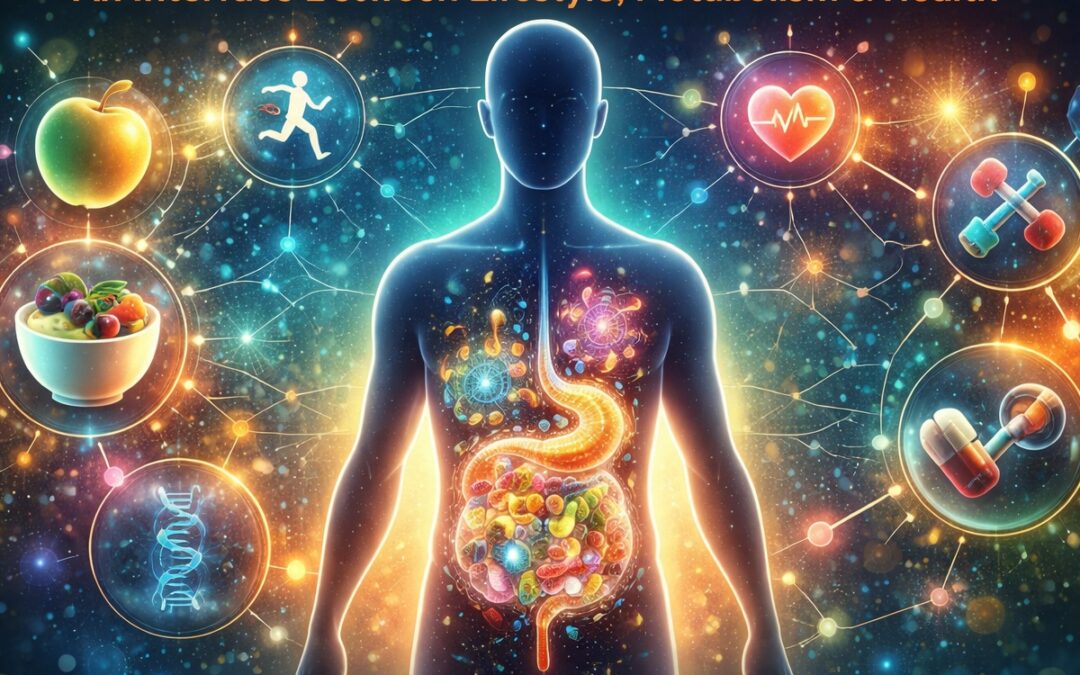
The Human Microbiome: An Interface Between Lifestyle, Metabolism & Health
For much of modern medicine, microorganisms have been largely viewed through a narrow lens, as agents of infection to be identified and then eliminated. This perspective, whilst undeniably important, captures only part of the story. Over the past two decades, advances...
The Gut Microbiome and the Future of Human Health
The gut microbiome has moved from a niche area of research to one of the most important frontiers in modern medicine. Once associated mainly with digestion, it is now understood to be a complex, organ-like system that influences immunity, metabolism and even brain...
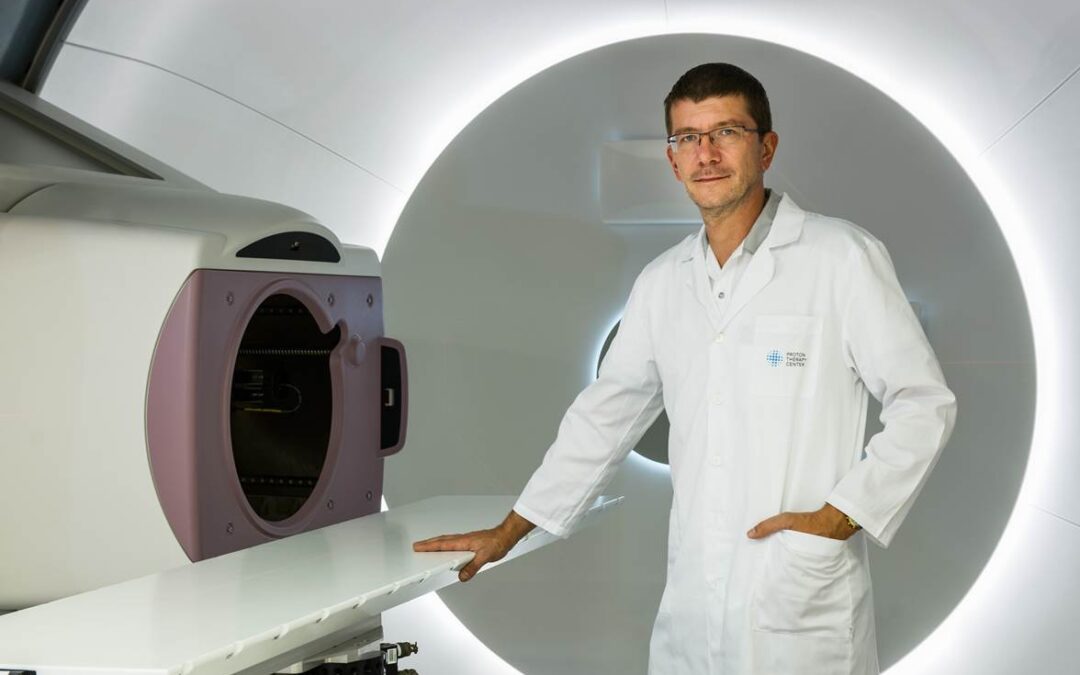
Beyond the Tumour: Can Radiotherapy Boost the Immune System?
Emerging research from a team of oncologists in Prague suggests that radiotherapy — long understood as a tool for destroying cancer cells — may also play a powerful role in activating the body's own immune defences. The implications for how we sequence and combine...