

Latest News

Limb-Girdle Muscular Dystrophy Treatment: Who Can Get Welgemda?
The first limb-girdle muscular dystrophy treatment is now approved in the US, but only for one subtype. Welgemda (ribitol), from BridgeBio Pharma, treats limb-girdle muscular dystrophy type 2I/R9 (LGMD2I/R9). The US Food and Drug Administration (FDA) announced the...
Latest News

COINS Act Biotech Rule: Does It Cover China Licensing Deals?
Treasury’s own guidance says its proposed COINS Act biotech rule does not list a standalone licence as covered. The final text will decide. Treasury released the proposal on 22 October 2026, and it would add biotechnology to the US outbound investment programme. The...
Beyond Brain Organoids: What Makes a CNS Drug Screening Hit Credible?
Summary: Human iPSC-derived neurons and brain organoids are expanding opportunities for CNS drug screening. However, identifying a promising compound is only the beginning. Creative Biolabs highlights how disease-relevant neuronal models, multiparametric phenotypic...
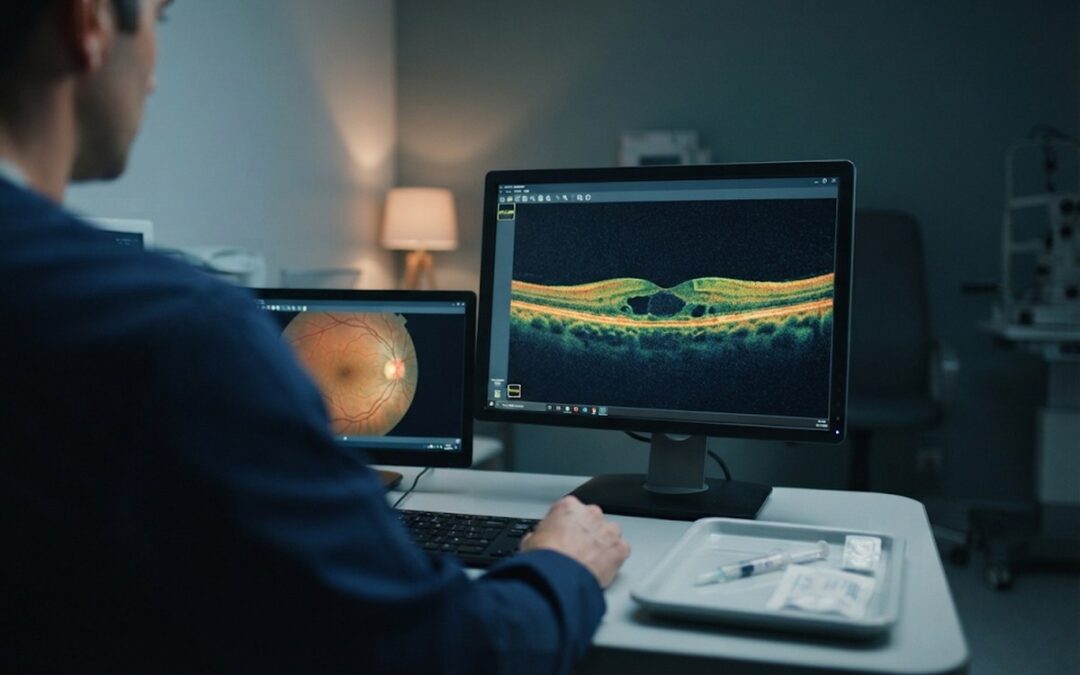
OLN324 vs Vabysmo: How J&J’s $2.2bn Eye Drug Compares
How does OLN324 compare with Vabysmo? In the only head-to-head data found, it dried the retina faster in diabetic macular oedema. However, differences in durability and vision were small. That evidence comes from a 164-patient Phase 1b trial, and no Phase 3 comparison...
Ollin Biosciences Acquisition: What Is J&J Paying and What Does It Get?
Johnson & Johnson (J&J) will pay $2.2 billion upfront in the Ollin Biosciences acquisition. Up to about $1.125 billion more is payable in milestones. The deal brings OLN324, a bispecific antibody for wet age-related macular degeneration (AMD) and diabetic...
Join The Future Of Life Sciences Media
In a world overflowing with information, LifeScienceDaily.news stands apart as the dedicated space where life sciences professionals share what’s new, what’s next, and why it matters, all in real time.
Don’t wait for the media to pick up your story. Be the media.
Trending


More News

When AI Writes Medical Device Requirements, What Does It Miss?
Artificial intelligence is making its way into nearly every stage of medical device development, including one of the most foundational activities: defining product requirements. With a well-structured prompt, AI-generated requirements, spanning user needs, software...
ULP Launches Founders’ Bench Award for Ophthalmology Innovation
University Lab Partners Launches Inaugural Founders’ Bench Award to Accelerate Ophthalmology Innovation Bausch + Lomb joins as founding corporate partner; UCI’s Gavin Herbert Eye Institute serves as academic partner University Lab Partners (ULP) today announced the...
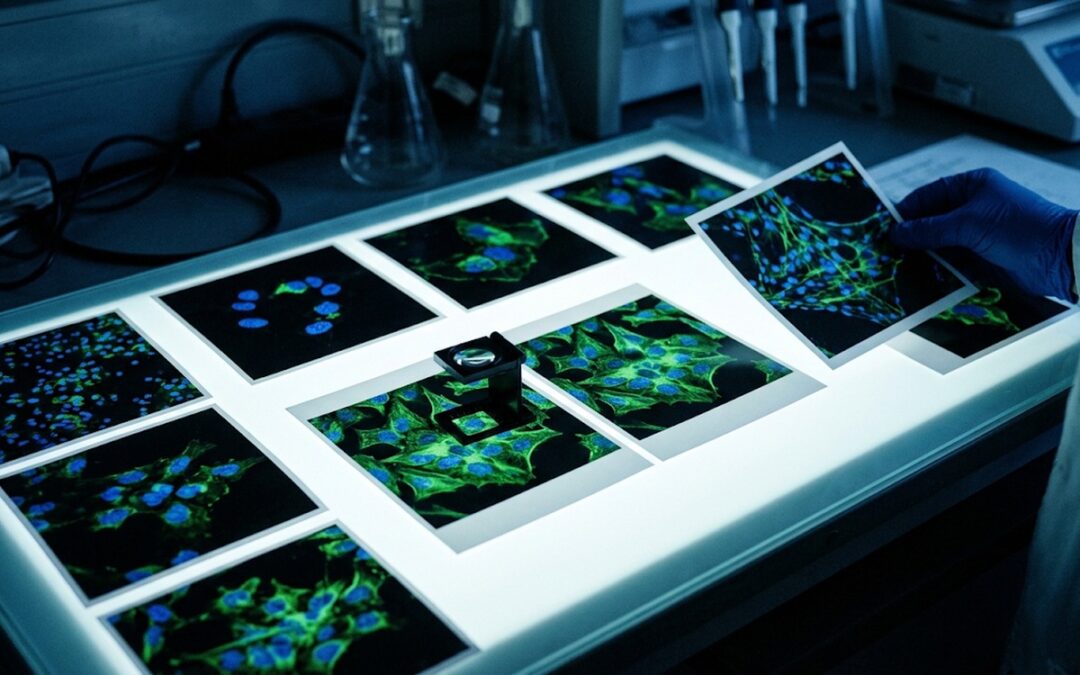
The Weakest Link in Your Manuscript May Be the Image You Overlooked
Image duplication, one of the most common image integrity problems in published research, can result from an inadvertent mix-up during figure preparation, reuse that has not been clearly explained, or deliberate fabrication. A 2025 analysis of the Retraction Watch...
Weekly News Roundup | 2 November 2026
Life science news 2 November 2026: four approvals, three deals and a UK Budget investment package. Ferring has agreed to acquire Gameto in a deal worth up to $1.3825bn. The FDA granted accelerated approval to Voceryq for recurrent respiratory papillomatosis. The MHRA...
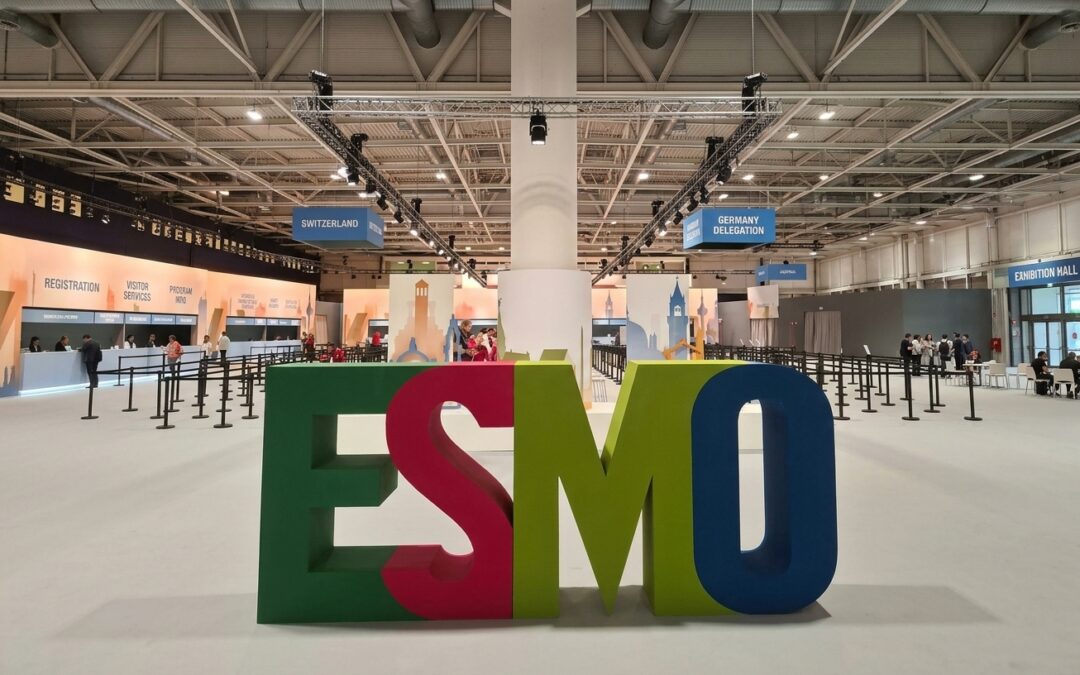
ESMO 2026: The Five Results That Could Change Cancer Treatment
ESMO 2026 closed in Madrid on 27 October after five days of practice-shaping data. The most closely watched results came in three Presidential Symposia, which carried twelve late-breaking phase 3 trials. Five of them stand out for their potential to change how...

What Are You Signing When the AI Wrote the Note?
Anyone who has finished an emergency shift knows the chart stack. The department is still loud, the next team has the board, and a column of unsigned notes waits on the workstation. You read each one, fix what's wrong, and sign. That signature has always meant...
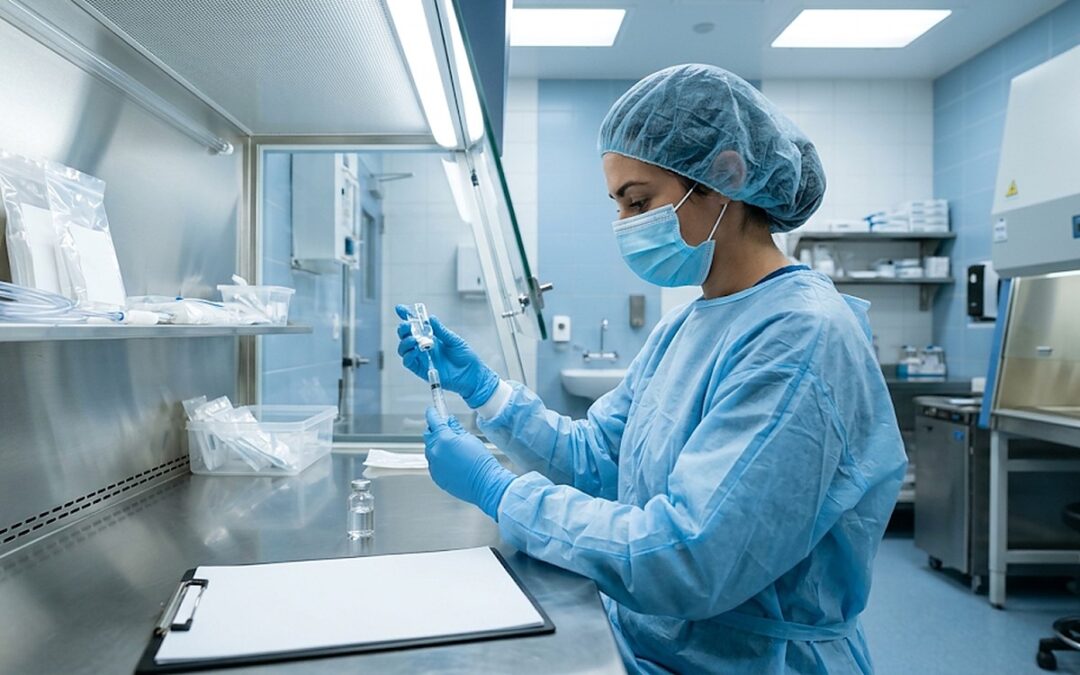
Peptide Compounding Explained: What the HHS Six-Peptide Policy Allows
Peptide compounding in the United States has entered a new phase. The Department of Health and Human Services (HHS) will not act against compounders of six unapproved peptides, within strict conditions. The peptides are BPC-157, Epitalon, KPV, MOTS-c, Semax and...
Clinical Trial Results 30 October 2026
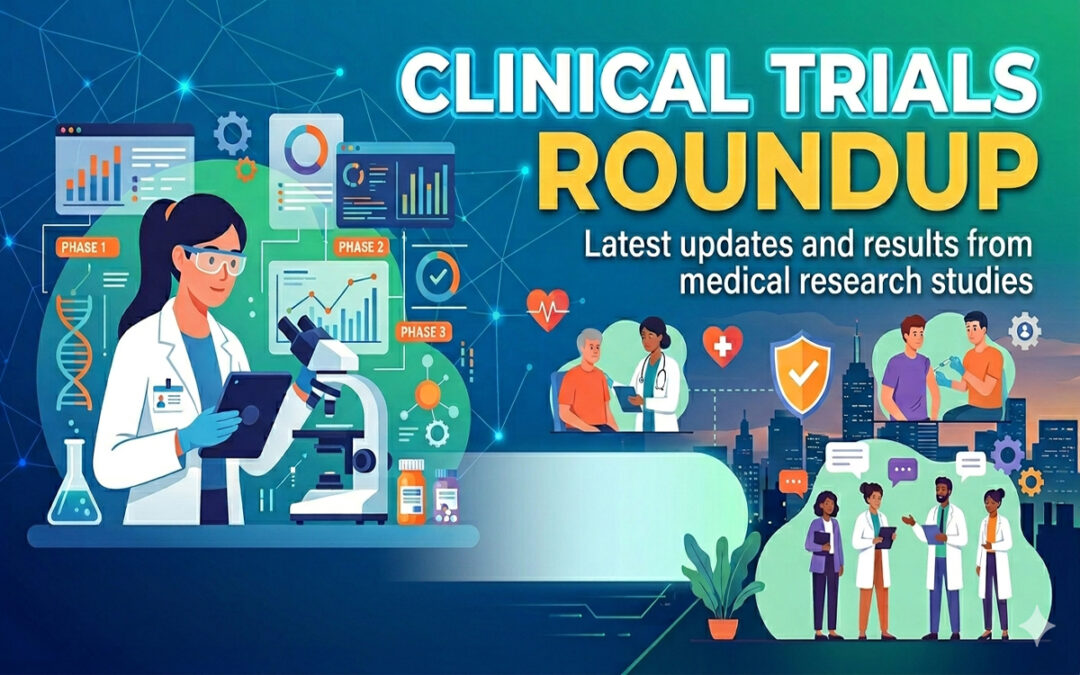
Clinical trial results 30 October 2026: head and neck cancer, small cell lung cancer, type 2 diabetes and breast cancer. Genmab’s petosemtamab plus pembrolizumab met both co-primary endpoints in first-line PD-L1-positive head and neck cancer. Amgen’s tarlatamab plus...

Retatrutide vs Ozempic: How Do They Compare in Diabetes?
Retatrutide vs Ozempic now has a head-to-head answer in type 2 diabetes. In an 80-week phase 3 trial, retatrutide lowered A1C by 2.2 percentage points, against 1.8 for Ozempic 2 mg. Body weight fell by 19.5 to 20.9 per cent on retatrutide and 9.4 per cent on Ozempic....
Weight Is Not Composition: What Surgeons See After GLP-1 Weight Loss
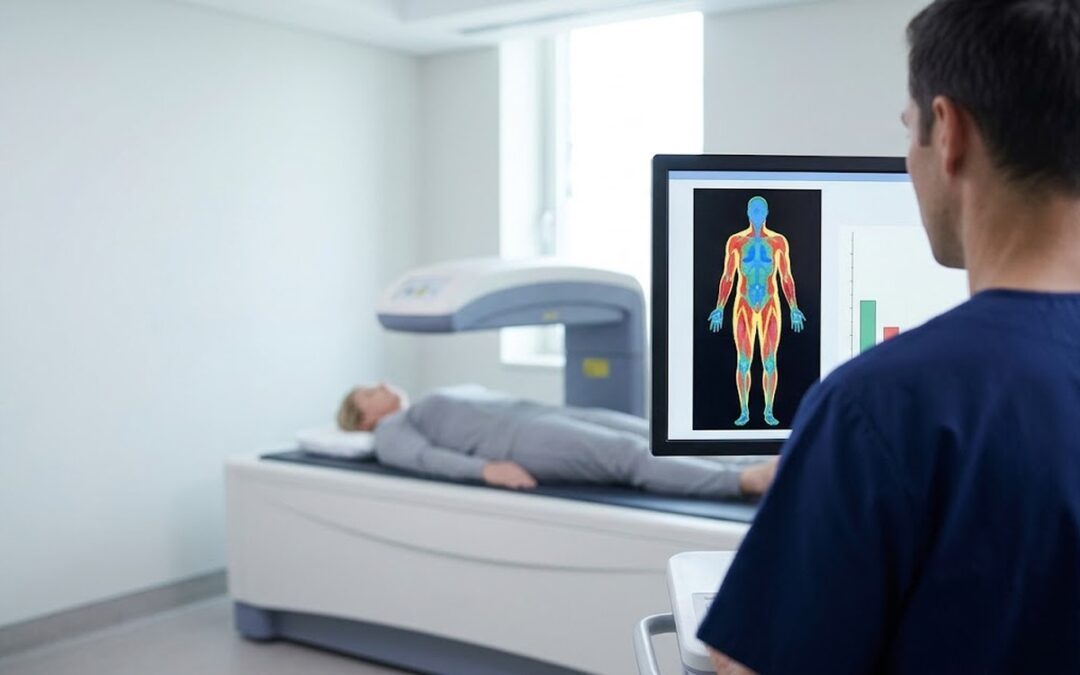
The GLP-1 era has given clinicians something they have wanted for decades: medications that produce weight loss approaching what was once possible only with surgery. Semaglutide and tirzepatide routinely deliver reductions of 15% to 20% of body weight in trials, and...
Ferring Gameto Acquisition: What Does Ferring Get From the Deal?
The Ferring Gameto acquisition would give Ferring Pharmaceuticals control of Fertilo, Gameto’s lead investigational fertility programme. Fertilo is derived from induced pluripotent stem cells and is designed to mature eggs outside the body. Ferring and Gameto...

What the Next Generation of GLP-1s Means for Pharmacists and Patients
GLP-1 receptor agonists (GLP-1 RAs) have reshaped the treatment of type 2 diabetes and obesity. But the next phase of GLP-1 therapy, and of incretin-based treatment more broadly, is likely to have implications that extend well beyond the approval of another...
When AI Writes Medical Device Requirements, What Does It Miss?
Artificial intelligence is making its way into nearly every stage of medical device development, including one of the most foundational activities: defining product requirements. With a well-structured prompt, AI-generated requirements, spanning user needs, software...
ULP Launches Founders’ Bench Award for Ophthalmology Innovation
University Lab Partners Launches Inaugural Founders’ Bench Award to Accelerate Ophthalmology Innovation Bausch + Lomb joins as founding corporate partner; UCI’s Gavin Herbert Eye Institute serves as academic partner University Lab Partners (ULP) today announced the...
The Weakest Link in Your Manuscript May Be the Image You Overlooked
Image duplication, one of the most common image integrity problems in published research, can result from an inadvertent mix-up during figure preparation, reuse that has not been clearly explained, or deliberate fabrication. A 2025 analysis of the Retraction Watch...
Weekly News Roundup | 2 November 2026
Life science news 2 November 2026: four approvals, three deals and a UK Budget investment package. Ferring has agreed to acquire Gameto in a deal worth up to $1.3825bn. The FDA granted accelerated approval to Voceryq for recurrent respiratory papillomatosis. The MHRA...
ESMO 2026: The Five Results That Could Change Cancer Treatment
ESMO 2026 closed in Madrid on 27 October after five days of practice-shaping data. The most closely watched results came in three Presidential Symposia, which carried twelve late-breaking phase 3 trials. Five of them stand out for their potential to change how...
What Are You Signing When the AI Wrote the Note?
Anyone who has finished an emergency shift knows the chart stack. The department is still loud, the next team has the board, and a column of unsigned notes waits on the workstation. You read each one, fix what's wrong, and sign. That signature has always meant...
Peptide Compounding Explained: What the HHS Six-Peptide Policy Allows
Peptide compounding in the United States has entered a new phase. The Department of Health and Human Services (HHS) will not act against compounders of six unapproved peptides, within strict conditions. The peptides are BPC-157, Epitalon, KPV, MOTS-c, Semax and...
Clinical Trial Results 30 October 2026
Clinical trial results 30 October 2026: head and neck cancer, small cell lung cancer, type 2 diabetes and breast cancer. Genmab’s petosemtamab plus pembrolizumab met both co-primary endpoints in first-line PD-L1-positive head and neck cancer. Amgen’s tarlatamab plus...
Retatrutide vs Ozempic: How Do They Compare in Diabetes?
Retatrutide vs Ozempic now has a head-to-head answer in type 2 diabetes. In an 80-week phase 3 trial, retatrutide lowered A1C by 2.2 percentage points, against 1.8 for Ozempic 2 mg. Body weight fell by 19.5 to 20.9 per cent on retatrutide and 9.4 per cent on Ozempic....
Weight Is Not Composition: What Surgeons See After GLP-1 Weight Loss
The GLP-1 era has given clinicians something they have wanted for decades: medications that produce weight loss approaching what was once possible only with surgery. Semaglutide and tirzepatide routinely deliver reductions of 15% to 20% of body weight in trials, and...
Ferring Gameto Acquisition: What Does Ferring Get From the Deal?
The Ferring Gameto acquisition would give Ferring Pharmaceuticals control of Fertilo, Gameto’s lead investigational fertility programme. Fertilo is derived from induced pluripotent stem cells and is designed to mature eggs outside the body. Ferring and Gameto...
What the Next Generation of GLP-1s Means for Pharmacists and Patients
GLP-1 receptor agonists (GLP-1 RAs) have reshaped the treatment of type 2 diabetes and obesity. But the next phase of GLP-1 therapy, and of incretin-based treatment more broadly, is likely to have implications that extend well beyond the approval of another...
Featured Articles
Further News
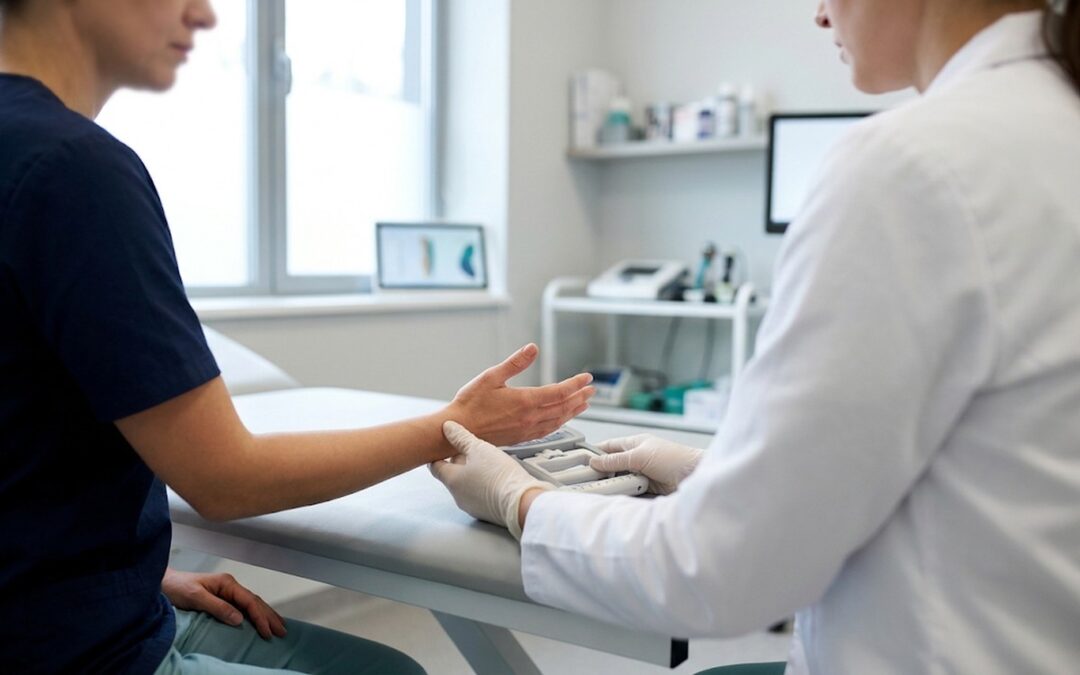
Del-Desiran Next Steps: Will Novartis Continue After HARBOR?
Novartis has not yet said whether it will keep developing del-desiran, its drug for myotonic dystrophy type 1 (DM1). The del-desiran next steps depend on the full HARBOR dataset and on talks with regulators. On 27 October 2026, Novartis reported a USD 1.9 billion...

Interoperability Begins Where Data Exchange Ends
Standards and APIs can move information. True healthcare interoperability requires the governance, trust and workflow design that make the information usable. Healthcare has spent years treating interoperability as a problem of moving data. National exchange has...
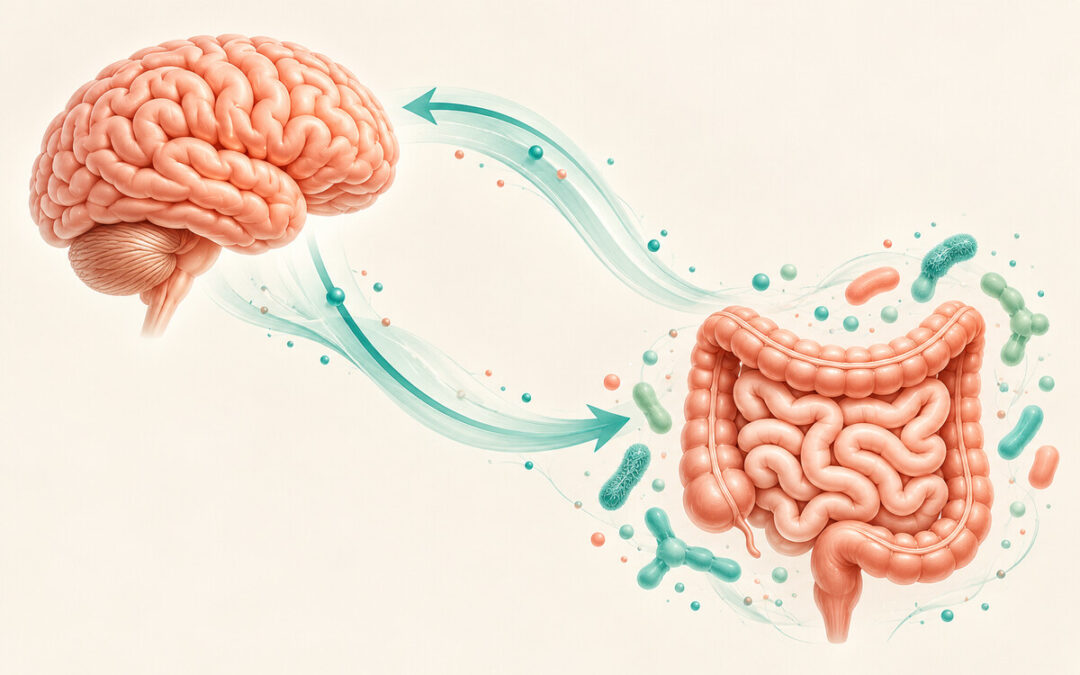
Psychobiotics and Depression: Exploring the Gut–Brain Connection
Depression care continues to evolve as researchers explore why people respond differently to treatment. One area drawing attention is the relationship between the gut microbiome and the brain. Could psychobiotics, which target this connection, offer additional support...

GLP-1s in Adolescents: What the Paediatric Obesity Evidence Shows
The case for GLP-1s in adolescents with obesity now rests on several randomised trials and two marketing authorisations. Real-world data are growing too. That evidence shows substantial reductions in body mass index over 56 to 68 weeks. It says much less about years...
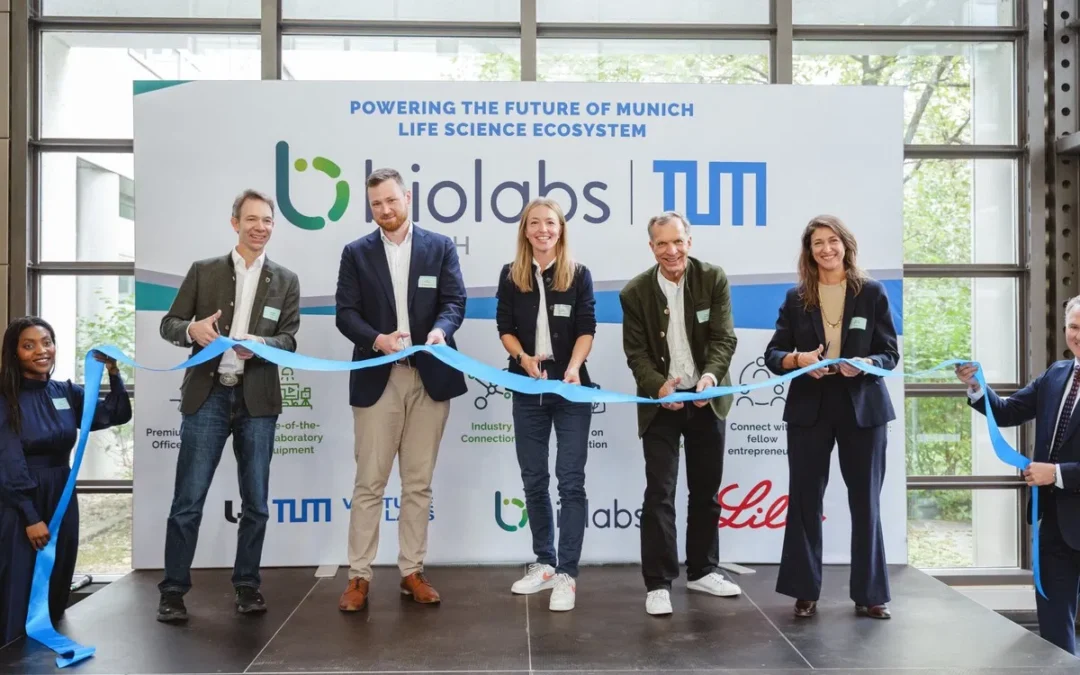
Eppendorf and BioLabs Expand Collaboration to Munich
The collaboration will provide laboratory equipment, technical support and engagement opportunities for BioLabs resident companies. It builds on existing partnerships at BioLabs sites across the US, Germany and France. HAMBURG and MUNICH, Germany, 21 October 2026...

Divarasib Approval: When Could Roche’s KRAS Inhibitor Reach Patients?
Divarasib approval has no confirmed date, but Roche’s own guidance points to 2027. Roche’s Pharma Day slides of 28 September 2026 list US and EU approval as a 2027 milestone. No regulatory filing for the KRAS G12C inhibitor had been announced in the sources reviewed...

Beyond Screen Time: How Digital Habits Shape Attention and Memory
As digital platforms make information increasingly accessible, the challenge is no longer simply how much we consume, but how our digital habits affect the way we process, retain, and use it. Scrolling through social media can expose us to hundreds of pieces of...
ZW209 Licensing Deal: What Does Roche Get From Zymeworks?
Under the ZW209 licensing deal with Zymeworks, Roche will receive exclusive global rights to develop and commercialise ZW209. In return, Zymeworks is due $55 million upfront and $40 million when a Phase 1b trial begins. It is also eligible for up to $718 million in...
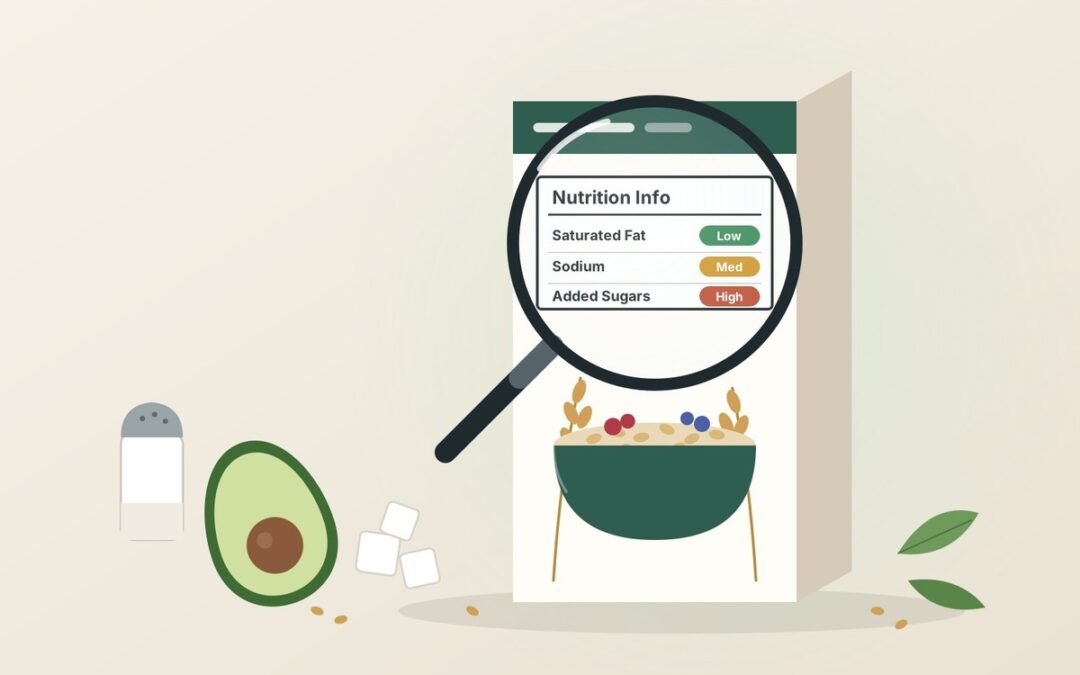
What FDA’s “Healthy” Rule and Front-of-Pack Labelling Mean for Food Makers
Two changes are reshaping what goes on the front of a US food package. The first, a new definition of the "healthy" nutrient content claim, is already law, with enforcement starting on 25 February 2028 [1]. The second, mandatory front-of-pack labelling in the form of...

Life Science Publishing: Our First Year, and Where You Fit In
Almost a year ago, Life Science Daily News published its first articles with a simple belief. Specialist science deserves a specialist stage. Since then, that belief has grown into a global readership and an active community of contributors. This is the story of our...

Imdelltra Imfinzi Approval: When Could First-Line Use Begin?
Amgen and AstraZeneca presented full DeLLphi-305 results at the ESMO Congress in Madrid. The phase 3 trial added Amgen’s Imdelltra (tarlatamab-dlle) to AstraZeneca’s Imfinzi (durvalumab). It cut the risk of death by 58 per cent in extensive-stage small cell lung...
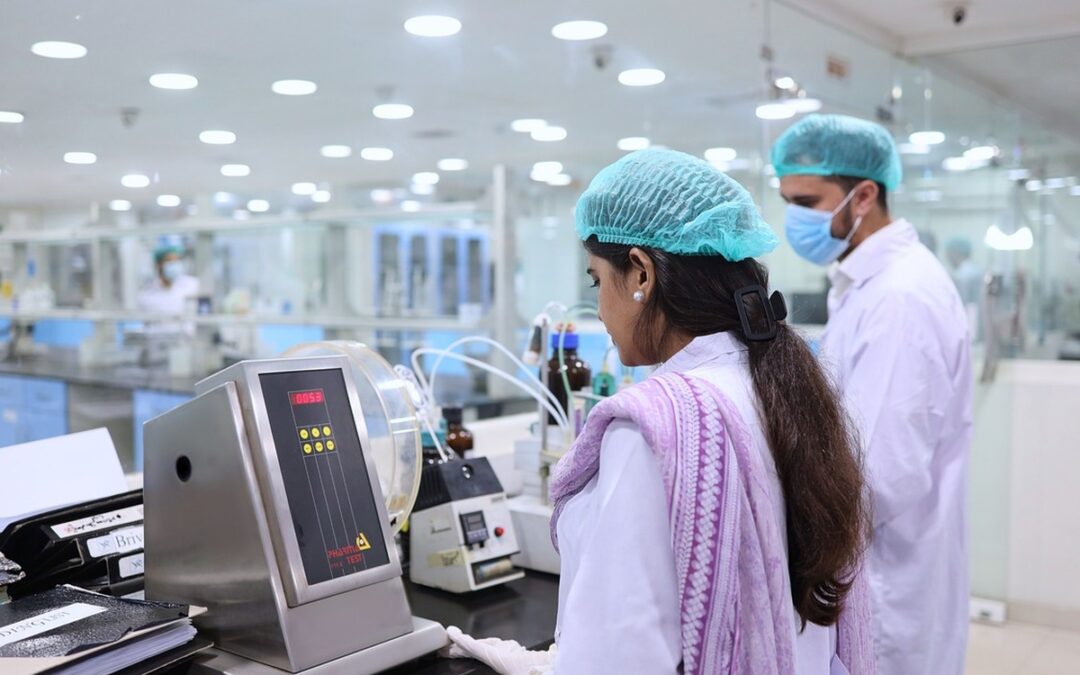
OOS Investigation: A Solubility-Related HPLC Assay Failure
A low out-of-specification (OOS) assay result does not always originate in the analytical laboratory. In pharmaceutical manufacturing, an OOS investigation must consider laboratory testing, raw material properties, manufacturing instructions and process execution...
Further News
Want to Be Part of the Next Chapter in Life Sciences Media?
LifeScienceDaily.news is building a new kind of platform where innovators, researchers, and industry leaders tell their own stories and shape the narrative of what’s next in life sciences. Share your story and lead the conversation.
Don’t wait for the media to pick up your story. Be the media.
See More Articles




Want to Be Part of the Next Chapter in Life Sciences Media?
LifeScienceDaily.news is building a new kind of platform where innovators, researchers, and industry leaders tell their own stories and shape the narrative of what’s next in life sciences. Share your story and lead the conversation.